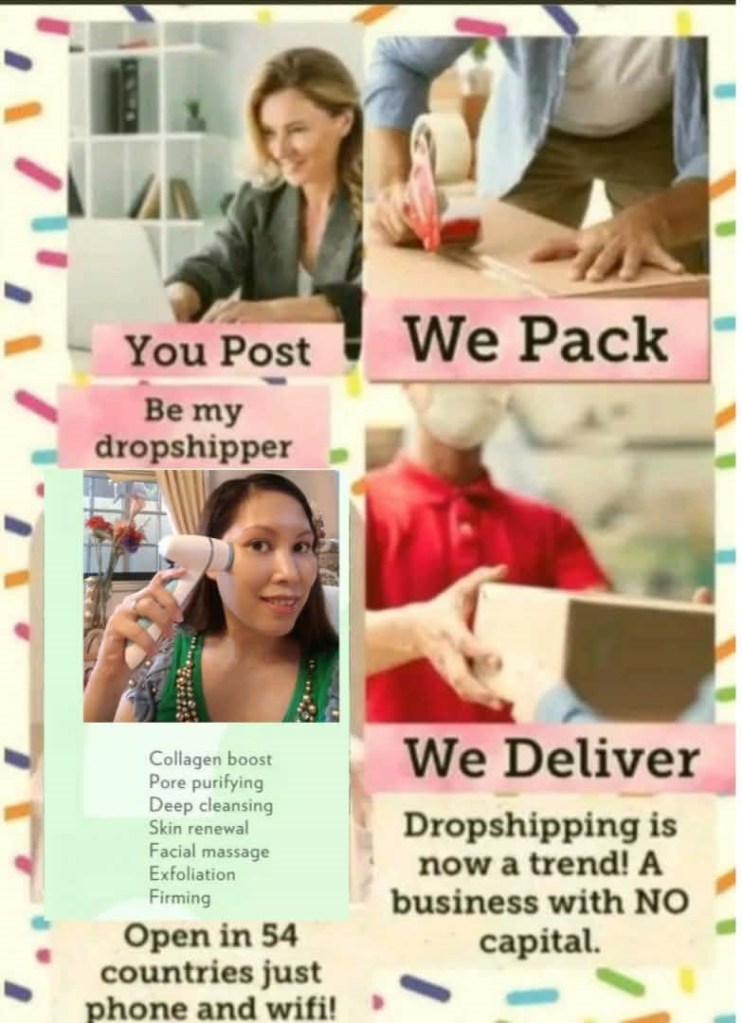
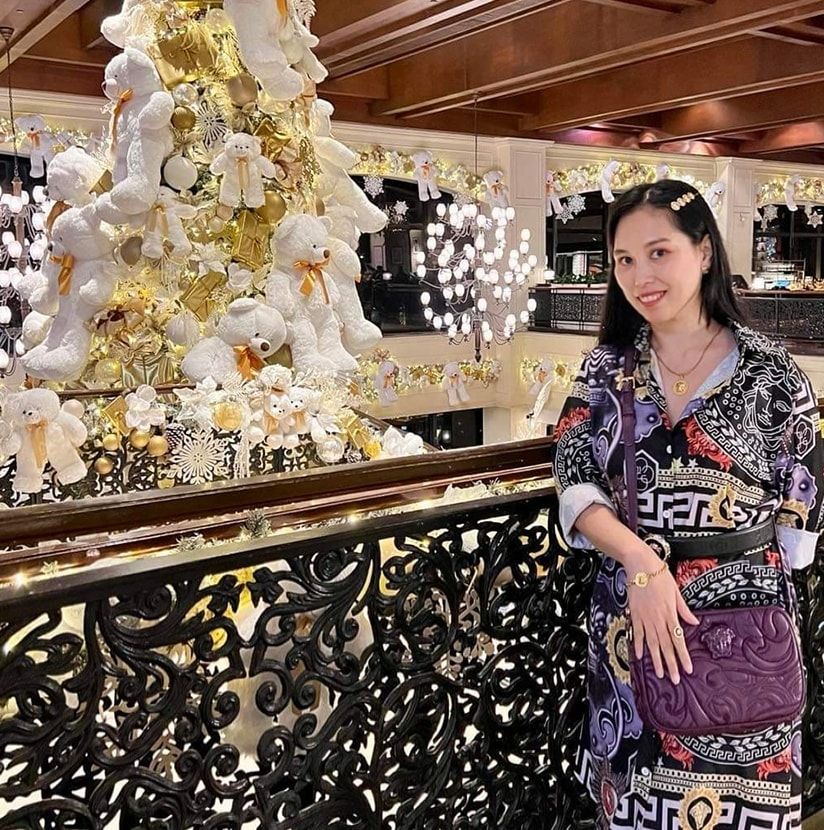
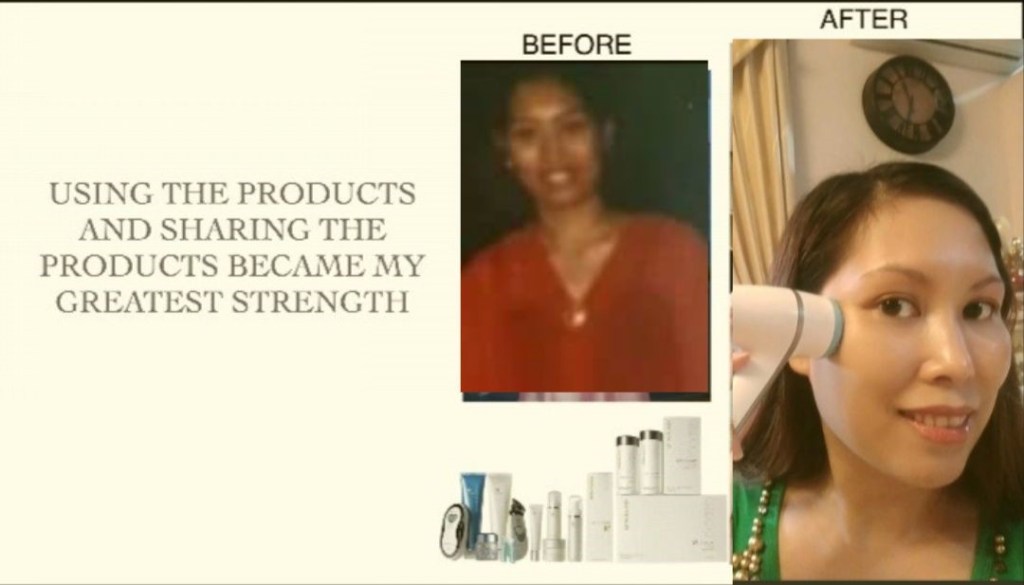
A: I’m passionate about vitality, aging healthy, business, fitness, immunity, longevity, nutrition, and skincare.
I’m a senior brand partner of Nu Skin Enterprises.
I found this passion [vitality, longevity, aging healthy, etc.] out of my love for my parents, when I was four years old. I’ve been praying for the longevity of my parents since.
My family also runs a school cafeteria business.
Q: What were your younger years like?
A: I graduated from the oldest existing university in Asia, The University of Santo Tomas, with a bachelor’s degree in arts and behavioral science.
I come from a Christian family. I’ve learned that God loves the world [so much] that He gave up His only begotten Son so that whoever believes in HIM shall not perish but have eternal life.
Q: What is something valuable you’d like others to know?
A: My advice to people wanting to start their own business is to keep innovating.
Q: What does feminism mean to you?
A: Feminism means being a light to the world especially in my country, the Philippines.
“…your ability to care, listen, and create meaningful experiences is valuable.“
Q: What are you passionate about?
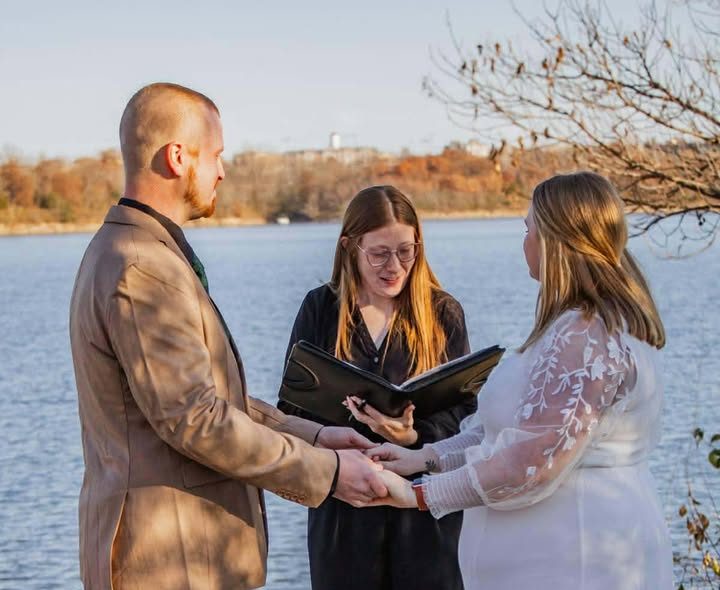
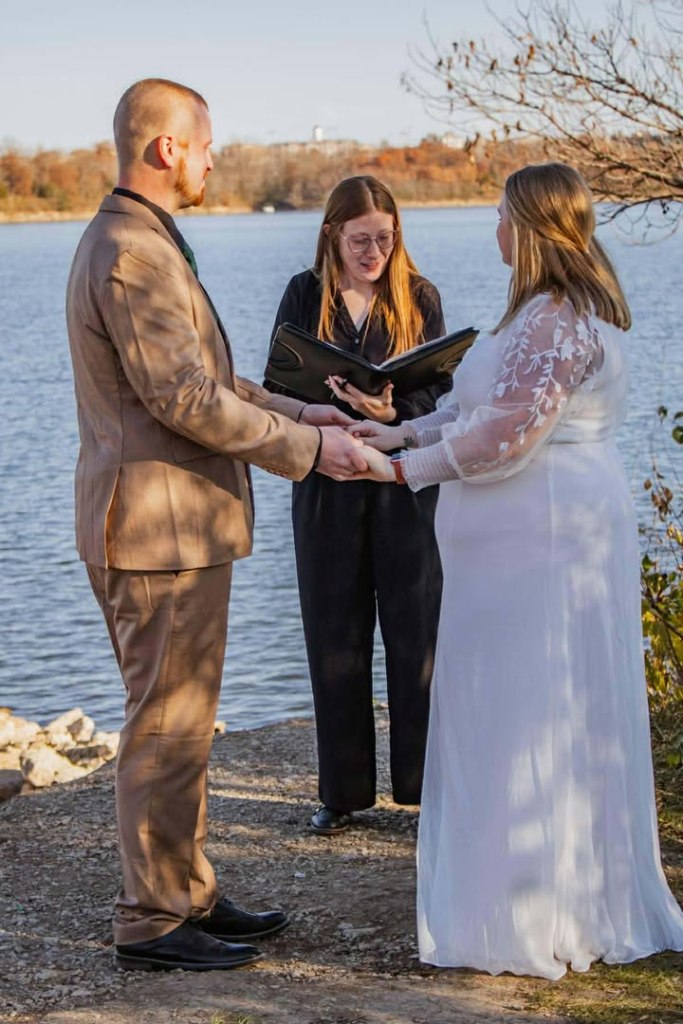
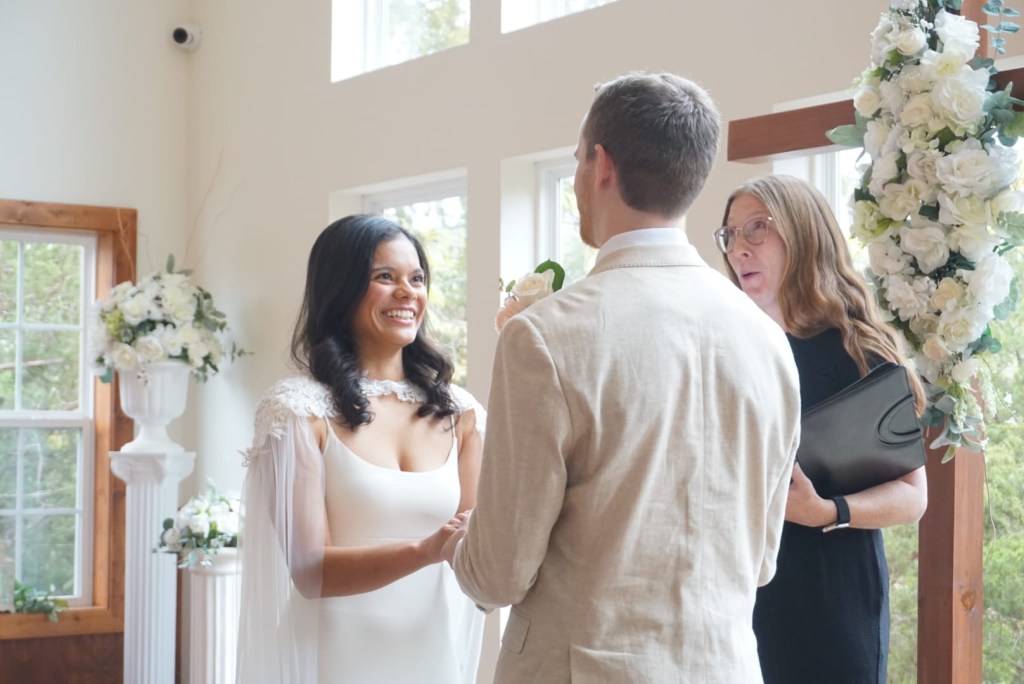
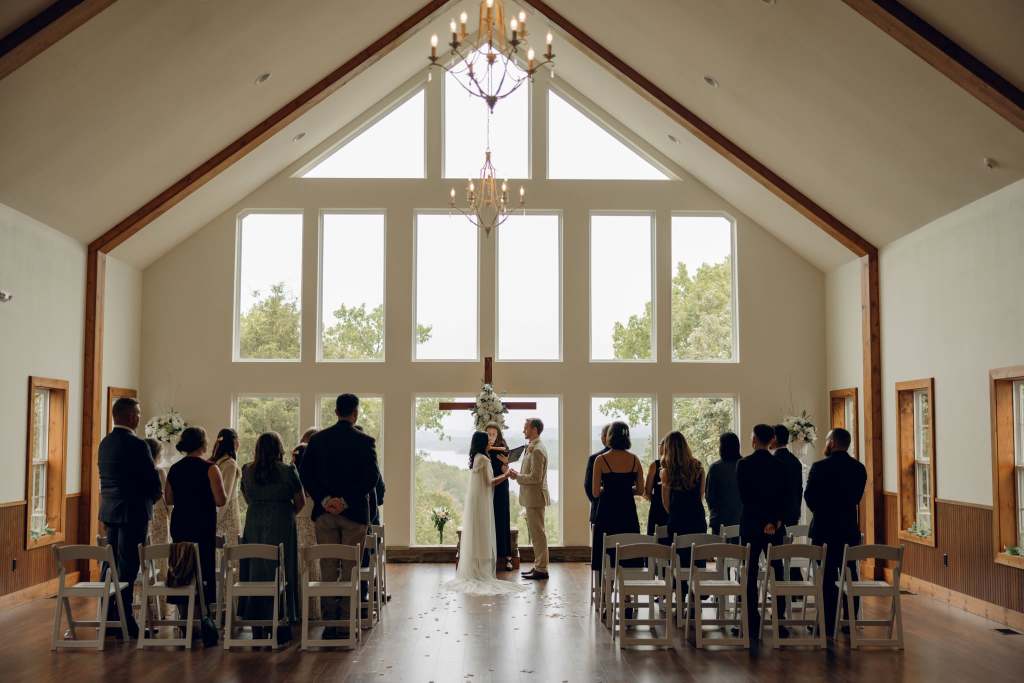
A: I’m deeply passionate about helping couples feel seen and understood on one of the most important days of their lives. As a wedding officiant, I don’t just show up and read a script—I take time to get to know each couple, their story, and what truly matters to them so their ceremony feels personal, intentional, and genuine.
I found this passion through my love for storytelling and connection. I’ve always been someone who values meaningful conversations and relationships, and officiating allows me to bring that into such a special space. There’s something incredibly powerful about standing with a couple in that moment and helping set the tone for their marriage, not just their wedding day.
Right now, I’m focused on growing my business, refining my process, and continuing to create ceremonies that people remember—not just for how they looked, but for how they felt.
Q: What were your younger years like?
A: My younger years really shaped my sense of responsibility and empathy. I grew up understanding the importance of being there for others, and that’s something that’s carried into my adult life in a big way.
I’ve always been someone who naturally takes on a supportive role—whether that was in my family, school, or relationships. That instinct to care for others and anticipate their needs is a huge part of what I do now as an officiant.
Those experiences taught me how to listen deeply, adapt to different people and situations, and show up in a calm, grounded way—especially during important or emotional moments.
Q: What is something valuable you’d like others to know?
A: Something I’ve learned is that meaningful work often comes from leaning into who you already are—not trying to become someone else.
For a long time, I think people feel like they need to fit a certain mold to be successful. But what has made the biggest difference for me is embracing the way I naturally connect with people and building something around that.
I’d want others to know that your ability to care, listen, and create meaningful experiences is valuable. Those aren’t “soft skills”—they’re powerful, and they can absolutely be the foundation of a business or career.
Q: What does feminism mean to you?
A: To me, feminism is about choice, autonomy, and the ability for women to define success on their own terms. It’s about supporting women in whatever path they choose—whether that’s building a business, raising a family, doing both, or something completely different.
There isn’t one “right” way to be a strong woman.
[Feminism] also means creating space for women to be taken seriously in their work, to be compensated fairly, and to feel confident owning their voice and expertise. At its core, it’s about respect—respecting women’s choices, their work, and their individuality.
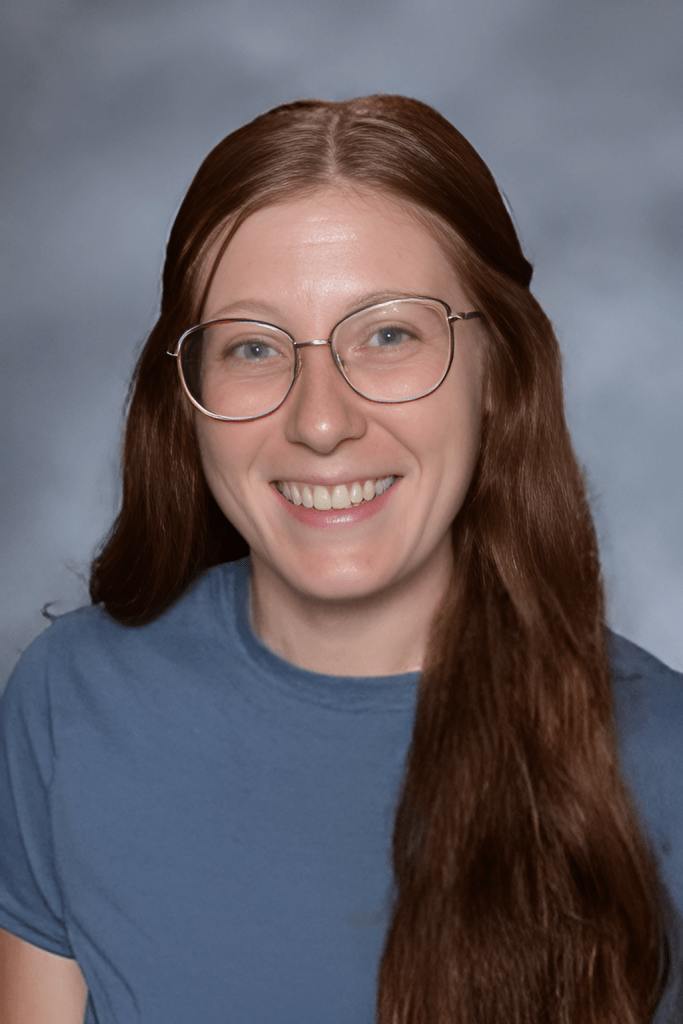
MORE ABOUT REBECCA: I am from Joplin, Missouri, and serve the four-state area as an officiant.
Q and A with Amore from Bedfordview, Johannesburg, South Africa
“…women should be celebrated not tolerated.”
Q: What are you passionate about?
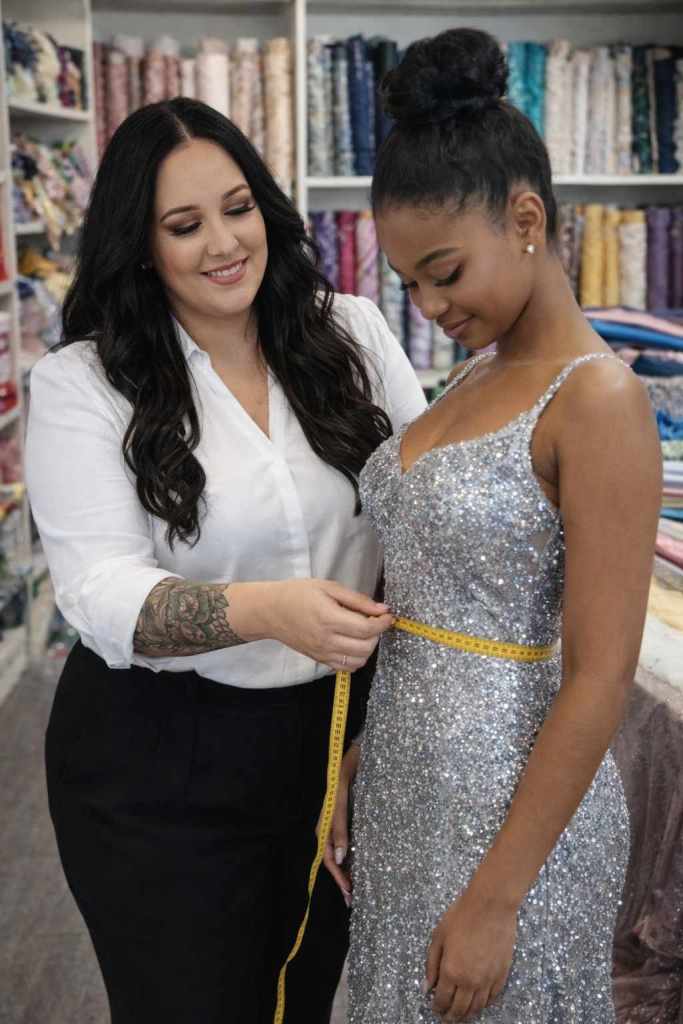
A: I’m passionate about fashion, especially bridal and evening wear.
In 2011, the Lord gave me a word to start my own business, and fast forward to 2026, I make matric dance [similar to prom] and wedding dresses for woman all over the world through my business Scarlett Red Boutique.
Q: What were your younger years like?
A: I was an au pair in USA after school, and I studied fashion design while I worked as an au pair [a young adult from a foreign country who lives with a host family]. Then I went to LISOF in South Africa and worked for Browns the Diamond Store, where I designed high end jewellery pieces and sold it to the South African market.
I am an only child.
I believe I am where I am today because of God.
Q: What is something valuable you’d like others to know?
A: Consistency is key, and never give up on your dreams.
If you can dream it, you can do it.
The world is your oyster.
Q: What does feminism mean to you?
A: I was a single mom for 12 years, and I gave up on love and then God stepped in, and I met my husband after all those years.
And now I get to do what I absolutely love.
It’s the rights of women that is important and valuable, and women should be celebrated not tolerated.
MORE ABOUT AMORE: I’m a mom. I have a 15 year old, and a 10 month old baby. And I also have my own online business called Life With Amore, which is an extra flow of income for my business.
“…life is ALWAYS teaching us. Even in the hard times.”
Q: What are you passionate about?
A: I’m passionate about helping women in midlife.
This [midlife] is a time of major transition that isn’t talked about enough.
I love helping women to work through it [midlife], coming out the other side, surpassing surviving it, instead thriving in it. Midlife crisis to midlife magic!
Q: What were your younger years like?
A: My younger years were hard when I was little.
My dad was alcoholic, my mom was co-dependant. Both did their best, given their circumstances.
I repeated those paterns in my life.
And I was very successful with my work.
I started as a waitress, working my way up to restaurant management.
I switched careers into the mortgage business where I went from loan officer to Vice President. Then I owned my own mortgage-related company for 15 years, which I sold for $2.5 million.
The more important piece was finding my own joy in peace in the process.
Q: What is something valuable you’d like others to know?
A: Something valuable I learned is that life is ALWAYS teaching us. Even in the hard times.
It’s all about perspective and how we view it.
Acceptance of what is happening is key.
Self awareness, really accepting that I had made decisions that brought me to where I was, was really impactful. Once you realize this, you also realize you have the power to change it.
Q: What does feminism mean to you?
A: Feminism, to me, is the reclamation of a woman’s power without abandoning her softness.
It’s not about competing with men or hardening ourselves to success.
It’s about remembering that our intuition, emotional intelligence, sensuality, creativity, and nurturing spirit are not weaknesses; they are our strengths.
MORE ABOUT DIANNA: I am a successful business woman. I understand firsthand what it feels like to “have it all” on the outside, yet feel numb and unfulfilled on the inside.
And I’m so excited to help other women do the same.
My sister died by suicide at age 51. She thought she had Alzheimers. If you’ve been there, you know, we feel like we are losing our minds.
This IS the process of transformation. Like a caterpillar turning into a butterfly. It’s a messy process!
“…your health is something you should always prioritize because you only get one life to live.”
Q: What are you passionate about?
A: My family, work, helping others and fitness.
I have always had a very close family, so they have and will always be my number one priority.
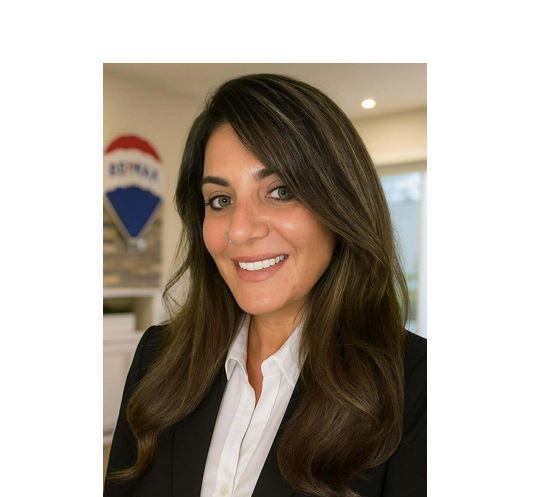
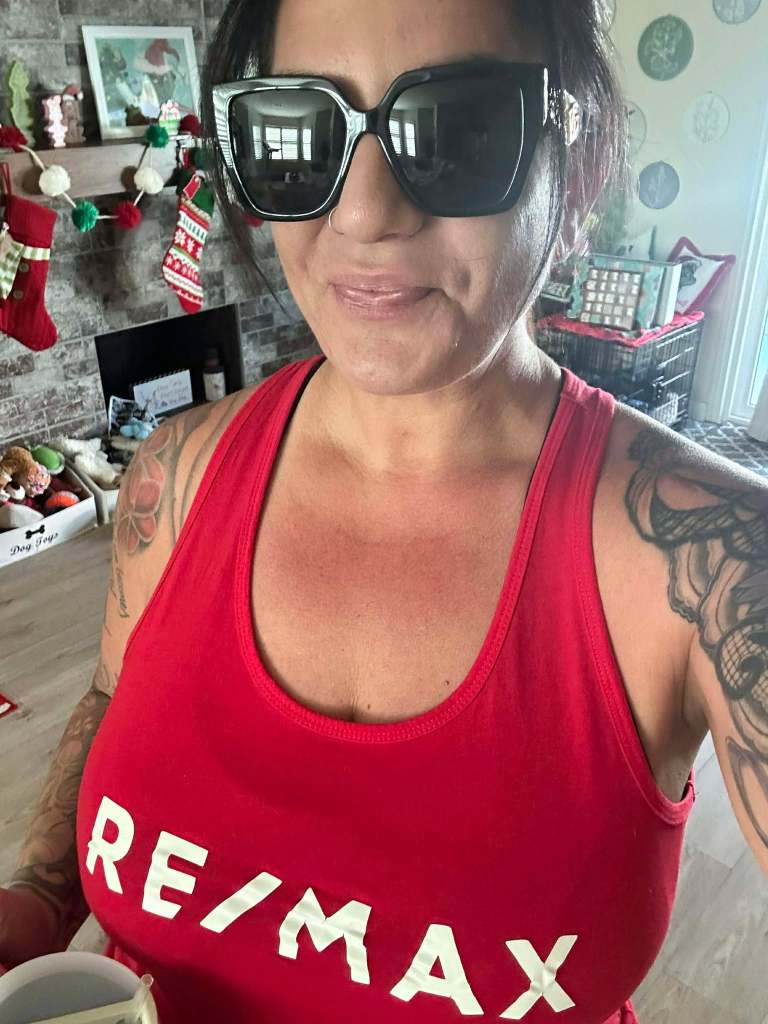
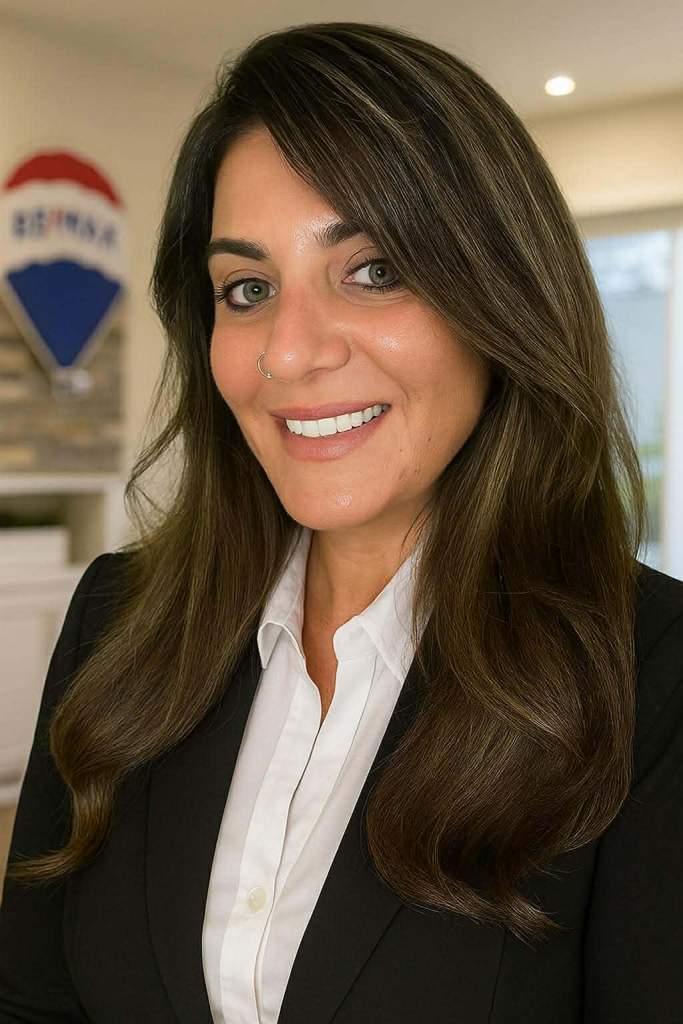
I am a Realtor with RE/MAX Advantage, small business owner (with my husband) Brads Hauling Services, and social selling with Beneve.
I’ve always loved fitness and grew up playing softball. Now, I enjoy outside walks/hikes and strength training.
Being a Realtor, I get to help people make the most important decision in their lives and celebrate with them.
[Through Beneve] I get to help men and women take their health back and become the best version of themselves.
Q: What were your younger years like?
A: I grew up in the Orthodox Church, so I have always had a strong faith.
My parents owned restaurants growing up, so I grew up in the business atmosphere and basically my own boss (since I worked for them). That helped create the hustle of my own businesses and the drive to always work hard and never give up.
Q: What is something valuable you’d like others to know?
A: It is never too late to follow your dreams or start over. And your health is something you should always prioritize because you only get one life to live.
Q: What does feminism mean to you?
A: For me, feminism isn’t about competing with men. It’s about women standing next to other women instead of against them.
It’s cheering for her when she wins.
It’s sharing the opportunities I see, sending the referral.
And fixing her crown without telling the world.
It is never a competition in my eyes. It is helping others build beside me.
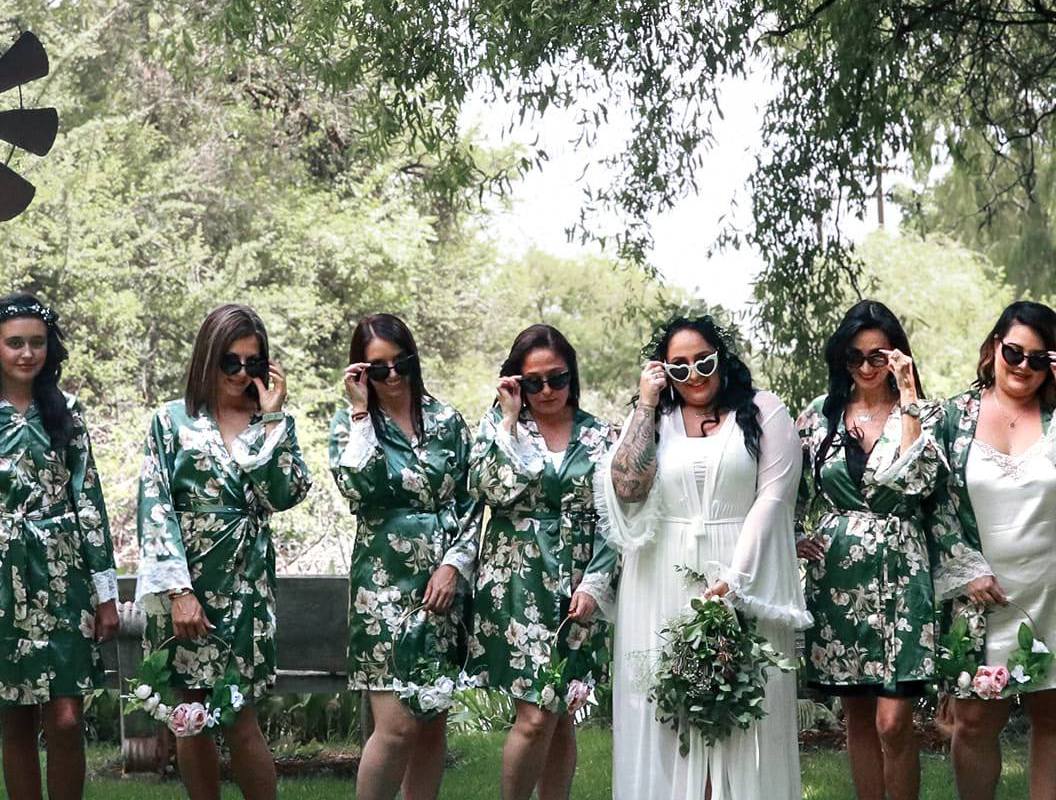
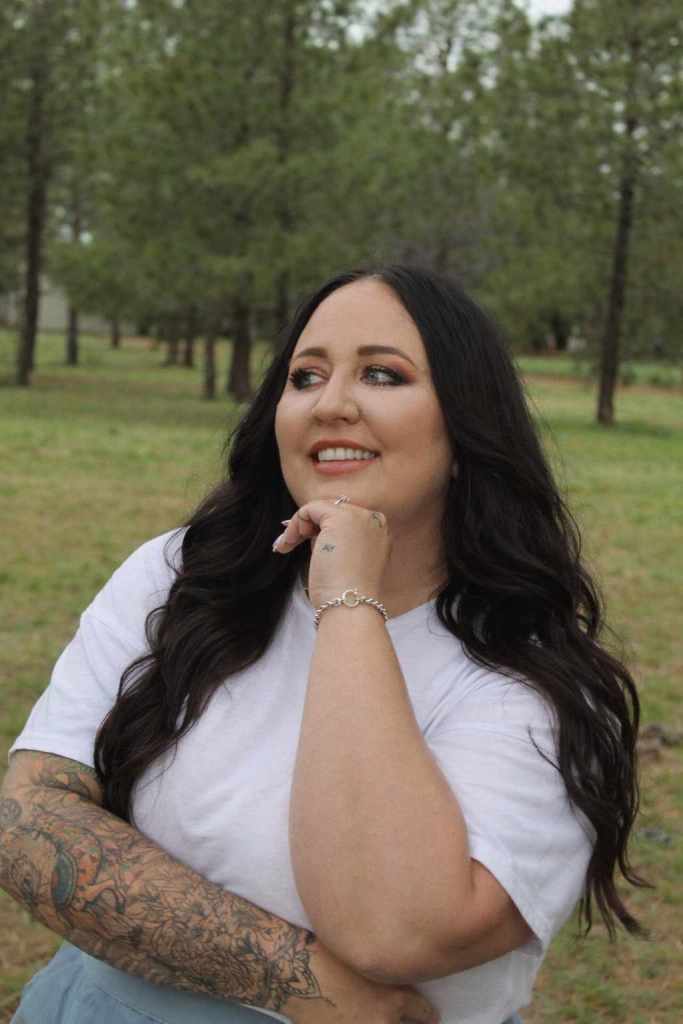
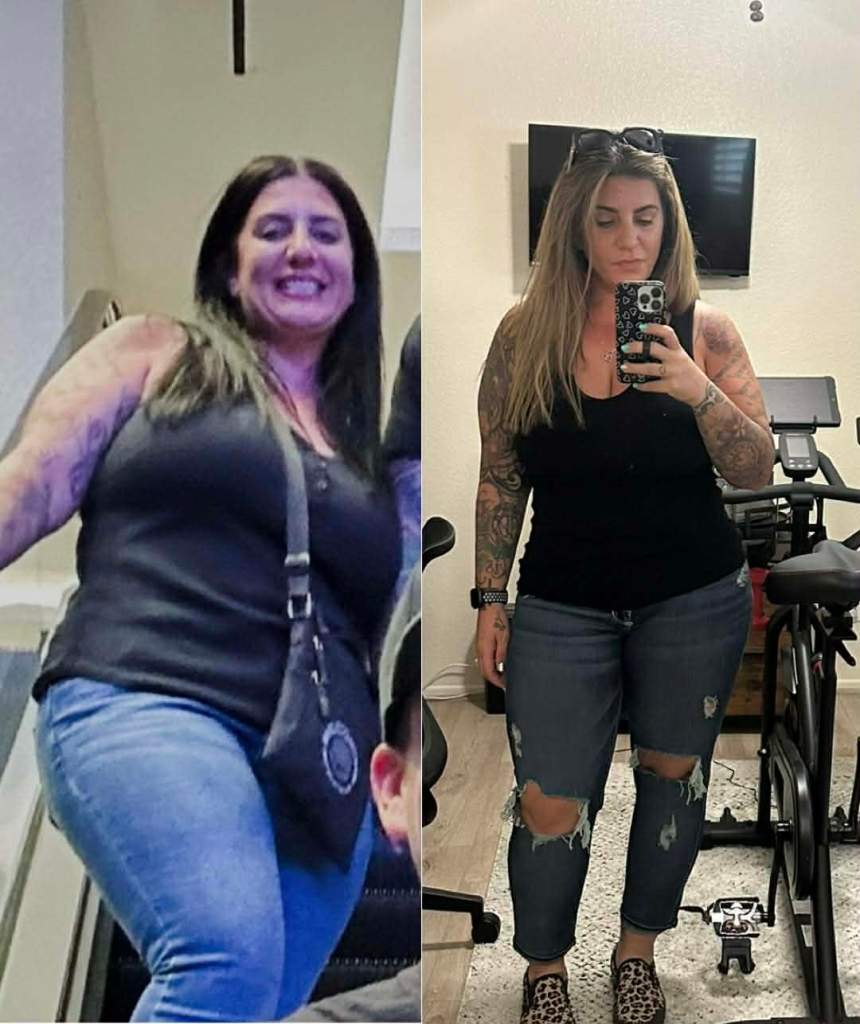
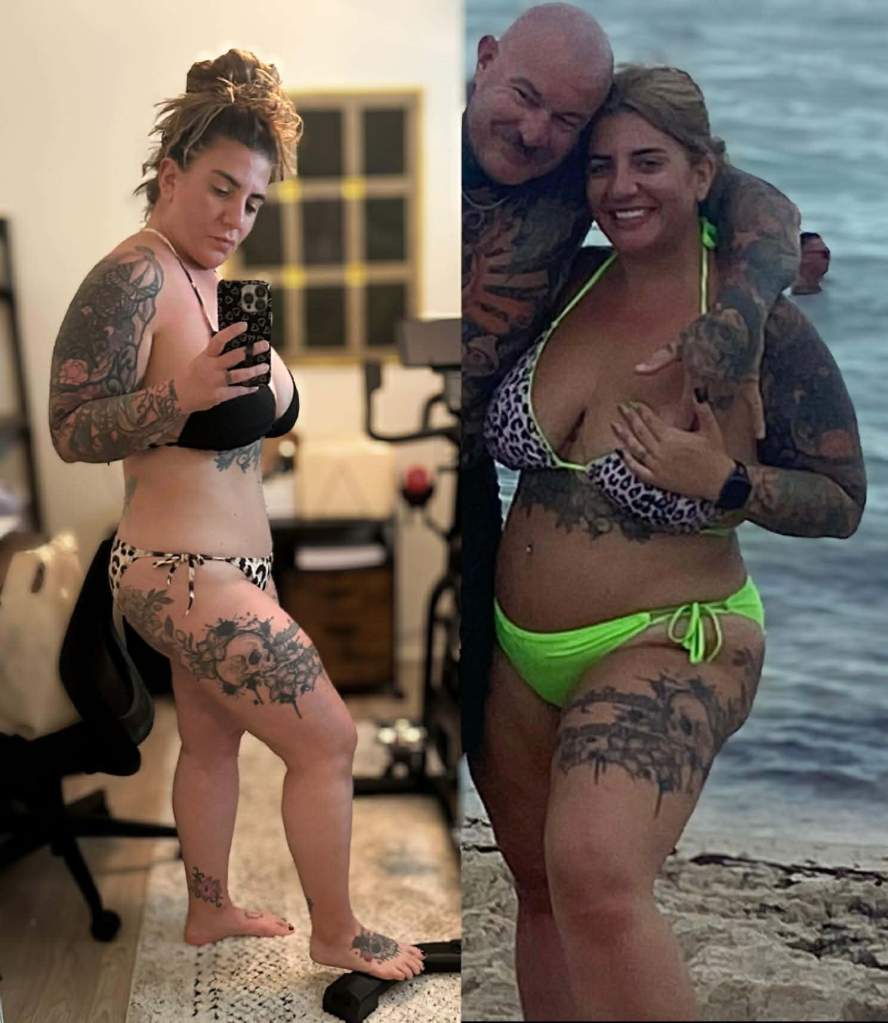
MORE ABOUT JOANNA: Turning 40 was a new chapter for me. Although I have always been into fitness, I never really shared that love in an open space like the internet. When I turned 41, I joined Beneve. This company truly changed my life. I gained over 20 pounds from perimenopause and stress.
I found these natural products that actually worked for me and gave me my confidence back. I never thought I would join the company to sell, but these products have helped me lose over 30 pounds, regain my confidence, become a whole new person, and helps me survive perimenopause.
I love tattoos and my dogs, especially my Frenchie, Bruce. 🙂


 The Woman Wednesday Blog