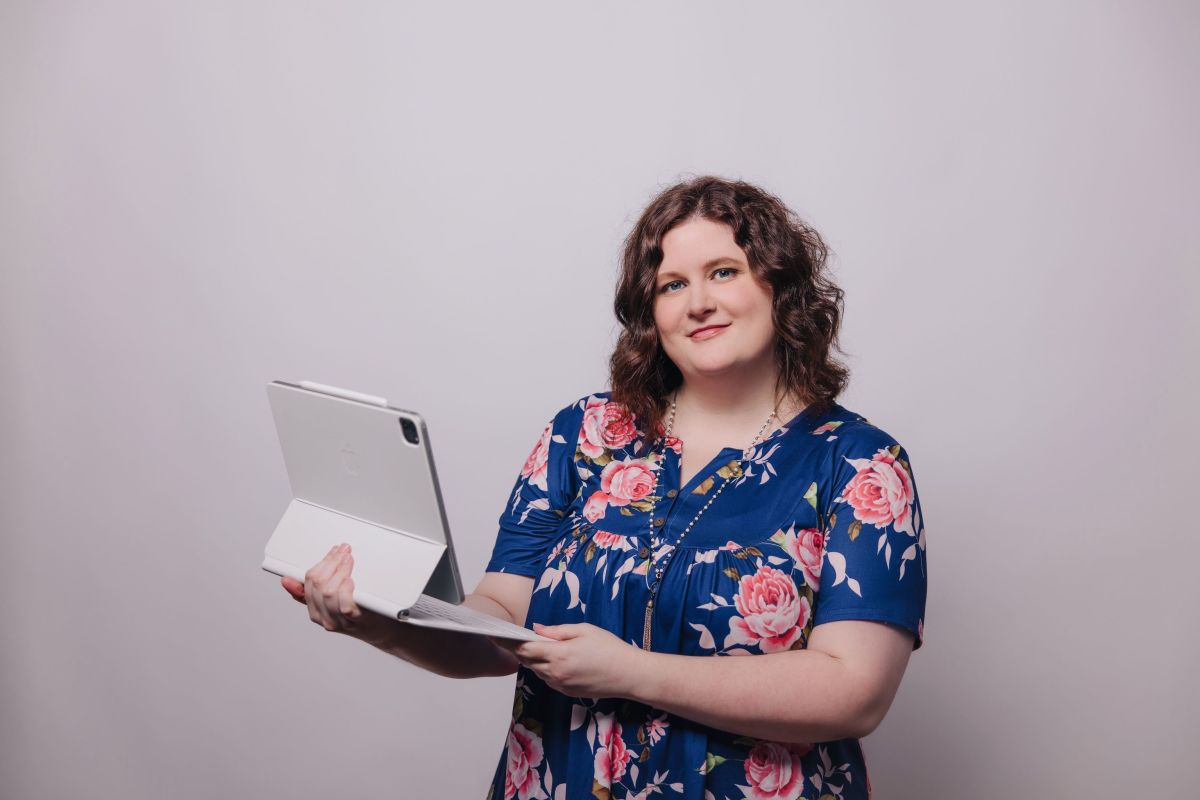
Woman Wednesday: Elin


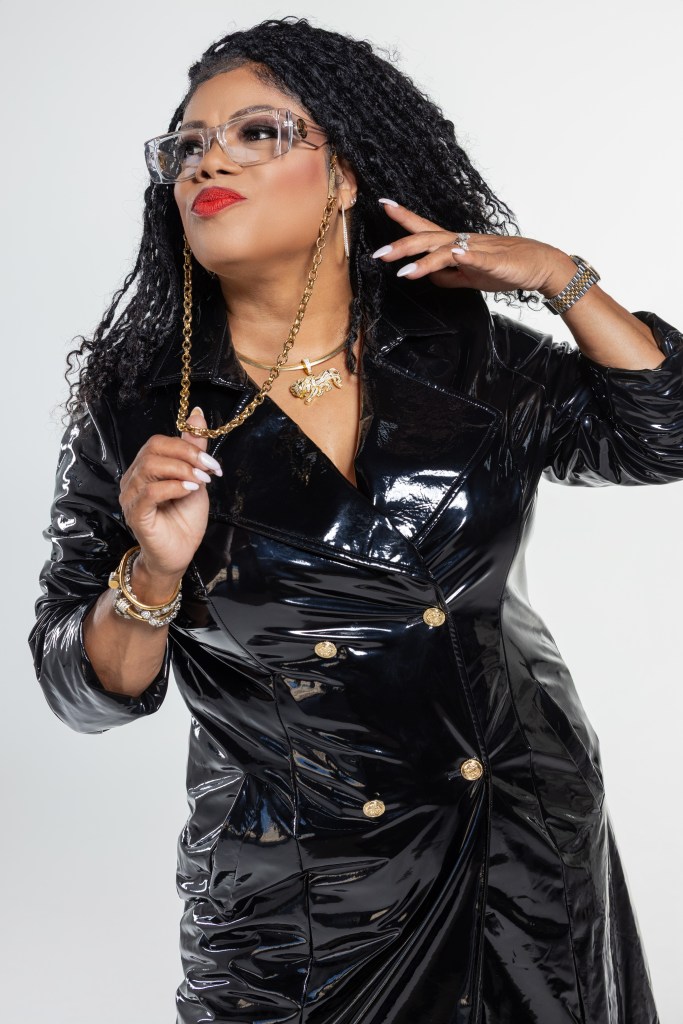
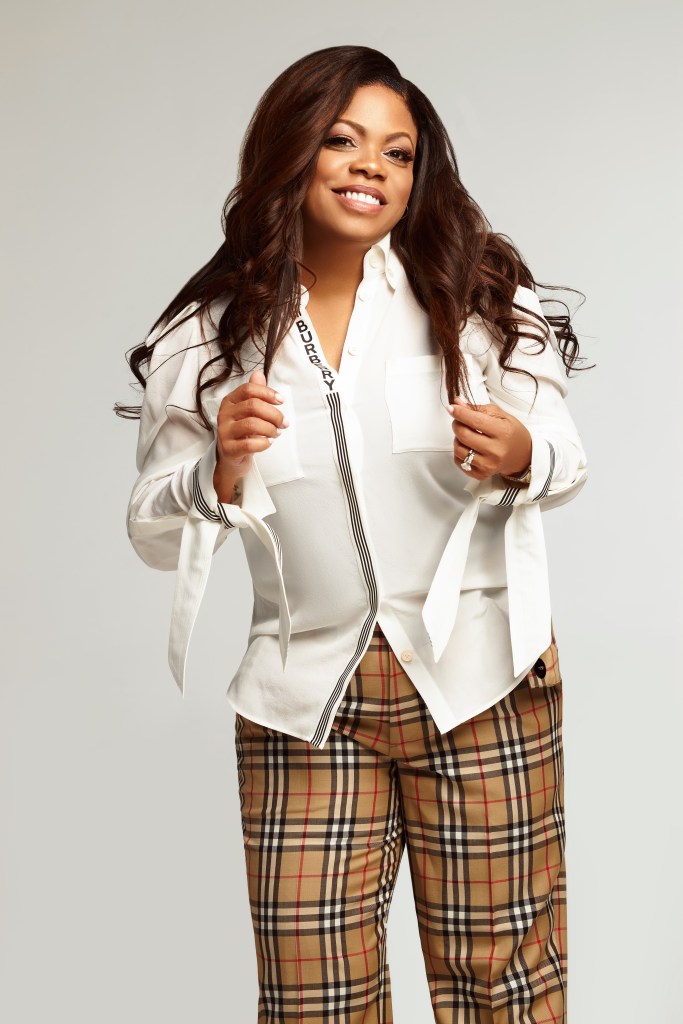
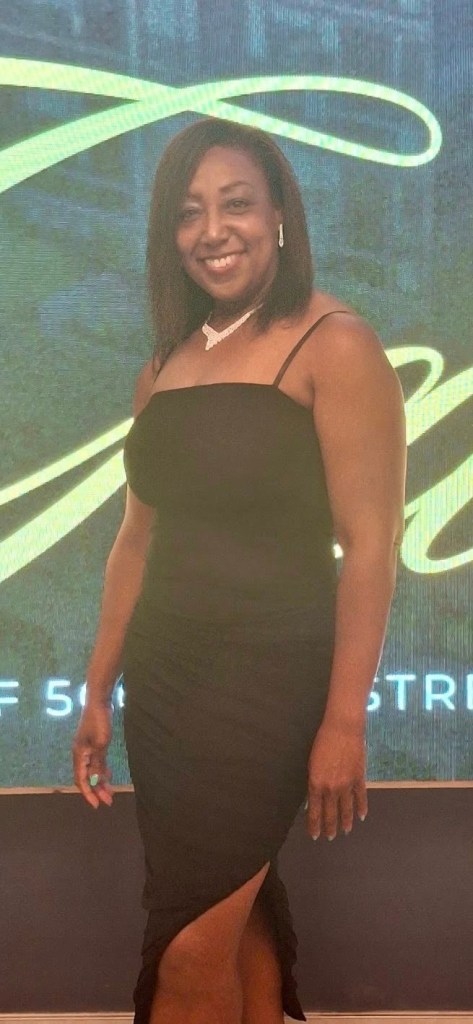
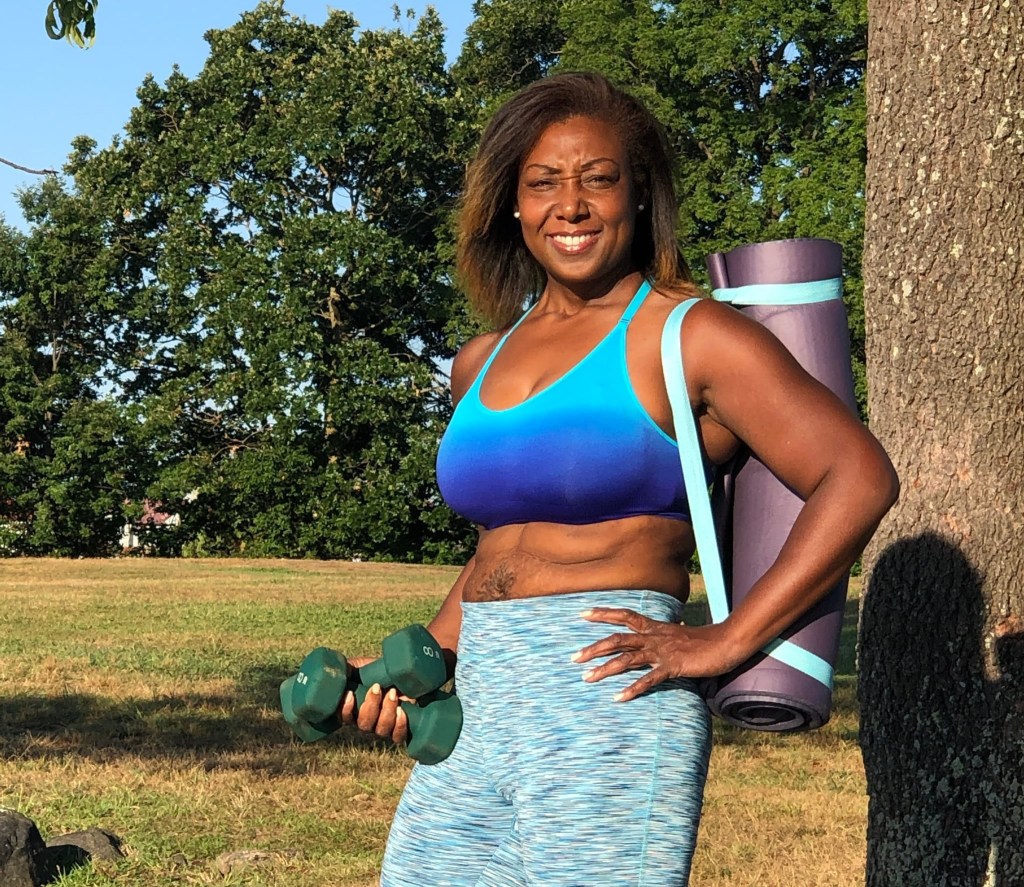
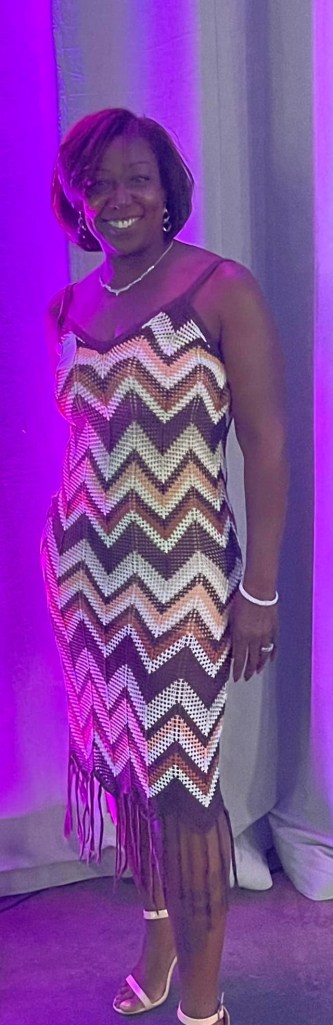
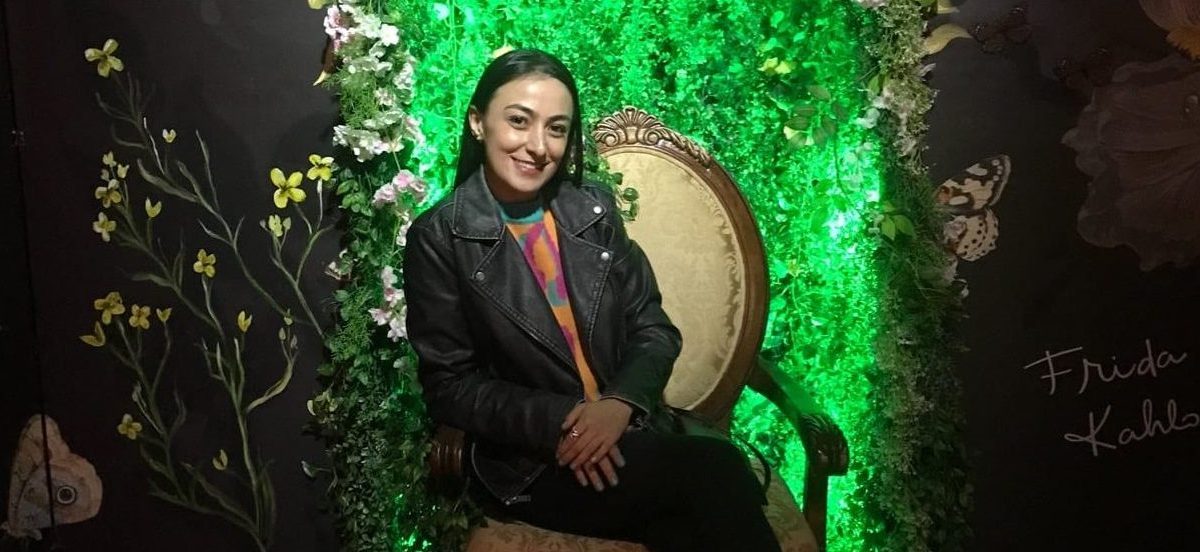
Q and A with Elin
from Örnsköldsvik (Oernskoeldsvik), Sweden

“I believe we all have a unique “spark”—a signature energy that, when expressed fully, naturally attracts the right people, opportunities, and impact.”


Q: What are you passionate about? 

A: I’m deeply passionate about human potential—the evolution that happens when we face our fears, embrace our challenges, and begin to live in alignment with who we truly are.

From a young age, I was drawn to personal development and understanding why we do what we do. That curiosity has shaped both my own growth journey and the work I do today.

I now coach multi-passionate and purpose-driven entrepreneurs who have big visions but often find themselves stuck in self-doubt or overthinking the launch process.

Through my work—and through Aligned Empowerment, the accountability community I co-founded—I help people bridge the gap between inspiration and execution.

My mission is to create spaces where dreams don’t just stay as ideas, but turn into tangible results through clarity, mindset work, and consistent action.

Q: What were your younger years like?

A: I grew up with loving parents, yet I internalized the belief that love and approval had to be earned through performance.

That pattern of overachieving and striving for perfection shaped much of my early life—in school, sports, and even relationships.

Eventually, that same drive became both my biggest strength and my greatest teacher. It taught me the importance of balance—of finding self-worth beyond productivity, and of allowing rest, creativity, and joy to have a place alongside ambition.

This realization later became a cornerstone of my coaching: that sustainable success comes from alignment, not exhaustion.
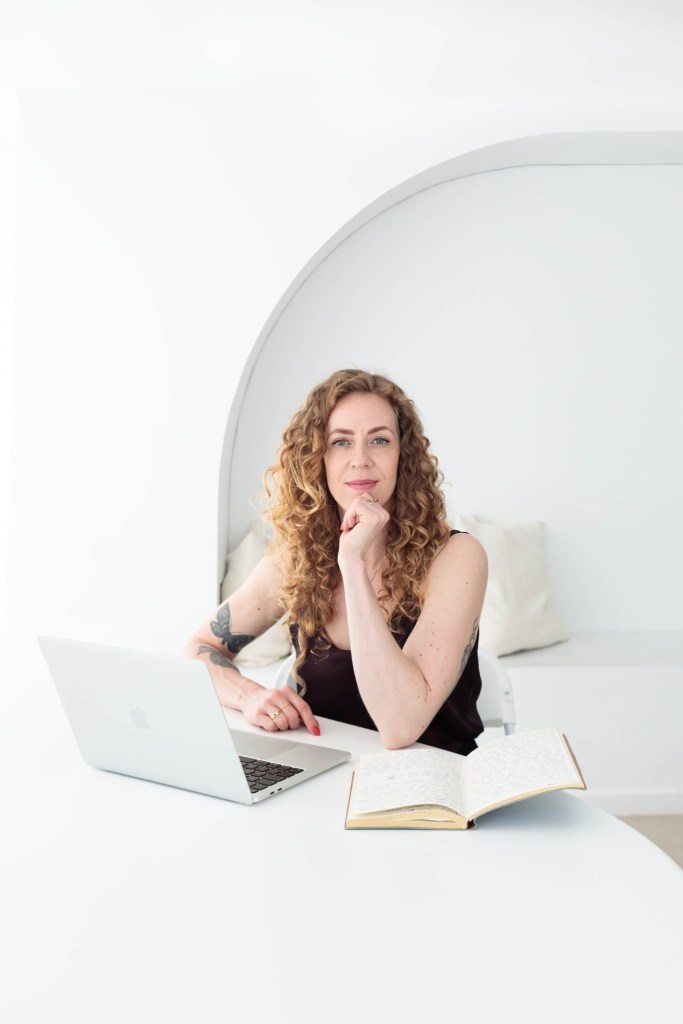
Q: What is something valuable you’d like others to know?

A: For much of my life, I tried to fit in—to belong. But the more I tried, the more disconnected I felt from myself.

My journey took me all over the world, from yoga trainings in India to retreats and entrepreneurship in Europe, searching for a sense of “home.” What I discovered was that home isn’t a place—it’s a state of being that comes from honoring who you are, even when it doesn’t fit the mold.

When I finally allowed myself to show up authentically—imperfect, multi-passionate, and real—everything started aligning. The right people appeared, opportunities opened up, and confidence followed.

But I also realized that embodiment alone isn’t enough—we need structure to sustain our flow.

The feminine creative energy needs the masculine framework of accountability and systems to thrive. That realization became the foundation for Aligned Empowerment—a space that combines heart, strategy, and accountability to help others create real momentum toward their goals.

Q: What does feminism mean to you?
A:
To me, feminism is about freedom—the freedom to choose your own path, express your truth, and define success on your own terms.

It’s about honoring both the strength and softness within us, and supporting other women to rise without dimming our own light.

Feminism, for me, is also deeply practical: it’s creating structures where women can thrive—financially, emotionally, and creatively—without burning out or compromising their authenticity. That’s the essence of what I strive for in my coaching and community work.

MORE ABOUT ELIN: I believe we all have a unique “spark”—a signature energy that, when expressed fully, naturally attracts the right people, opportunities, and impact. My work is about helping people reconnect with that spark, build the confidence and structure to protect it, and design a life that feels both aligned and empowered.

Thank you for reading!

Let’s connect! Here:

Woman Wednesday: Jennifer


Q and A with Jennifer from Peoria, Illinois

“Isolation doesn’t support growth.”


Q: What are you passionate about? 

A: For many years, I struggled with confidence, crippling anxiety, sensory sensitivities, problems focusing, and overall not seeming to really fit in anywhere. 

After discovering my love of art and practicing creativity, my friends stated that it was like I suddenly “came alive.” I found something that allowed me to express everything I was going through in a way that I couldn’t with words. This “ah-ha” moment sparked a desire to help others discover how to use their creativity as a means of healing, improving well-being, and using their unique voice through visual language. 

Over the years, so many people have shared their desire to create, but are held back by the assumption that a person must be born with talent in order to practice creativity. They let the fear of failure of a “horrible end result” keep them from even trying. Sometimes they may give creativity a try, but then feel so overwhelmed with no guidance that the supplies just end up collecting dust on shelves. 

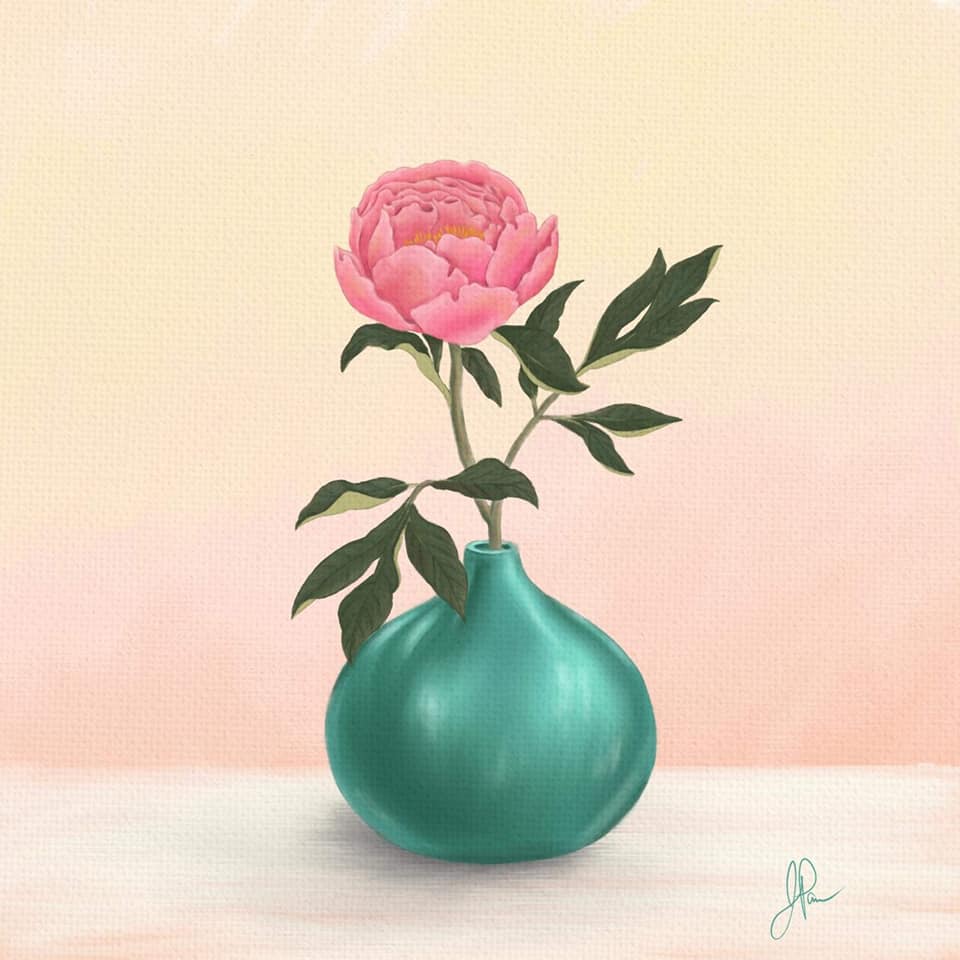
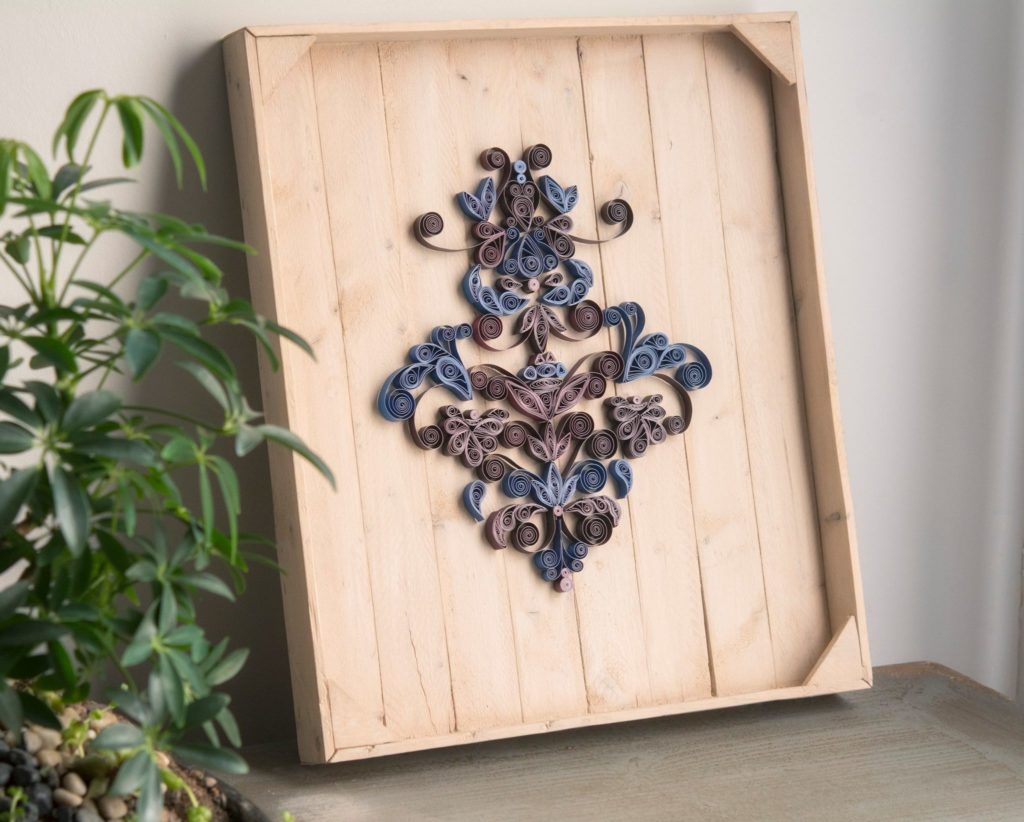
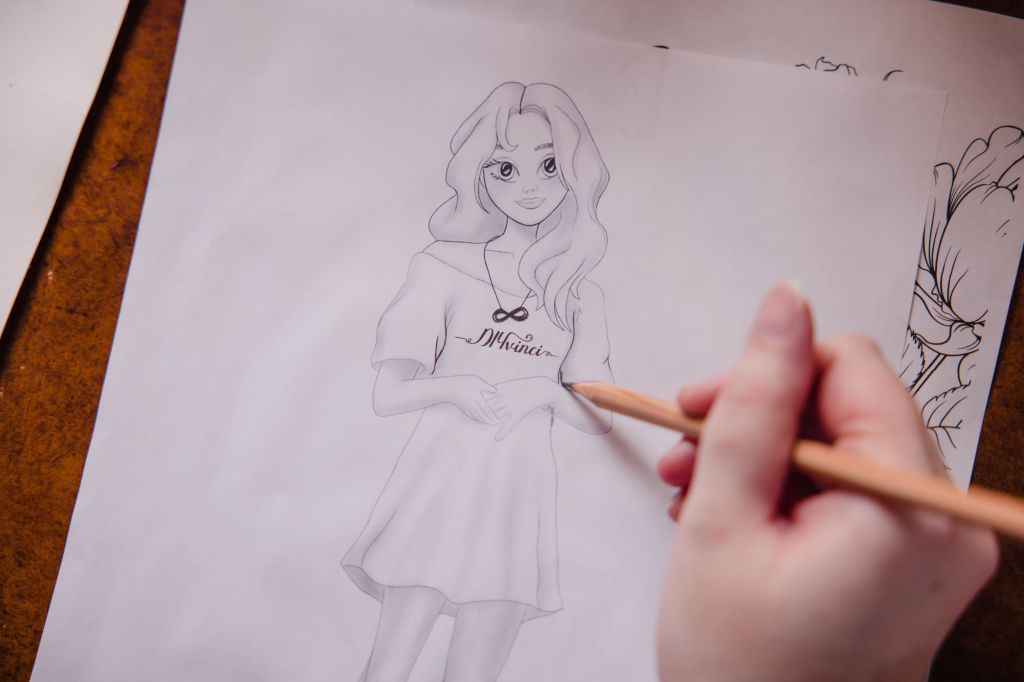
To help with overcoming the limiting mindset that they can’t create, I decided to curate craft kits that included supplies and instructions to alleviate not knowing where to start. This is how DIYvinci was born. Today, we also carry individual art supplies, online courses for more in-depth support, and a free online community to connect with creatives of every skill level.

The name for DIYvinci was created with the intention of being a unique business name that would focus on art and creativity. It is inspired by Leonardo da Vinci, one of the most influential painters in Western art history. The name DIYvinci represents the idea that anyone can be creative and express themselves through various media, just like Leonardo da Vinci did through painting, sculpting, architecture, and science. 

The following quotes by Leonardo da Vinci highlight the embodiment of the vision for DIYvinci in that art and creativity aren’t only skills to be mastered but are a reflection, connection, and understanding of ourselves:

“The painter who draws merely by practice and by eye, without any reason, is like a mirror which copies everything placed in front of it without being conscious of their existence.” —Leonardo da Vinci

“Where the spirit does not work with the hand, there is no art.” —Leonardo da Vinci

Our future goals include developing sensory crafting kits for neurodivergent adults, producing courses that are created by artists with different disabilities to teach how art and crafting are still possible using different methods, and developing a therapeutic interactive art journal. 

6/8/22 – Peoria, Illinois: DIYvinci. © Chris McGuire Photography.

Q: What were your younger years like?

A: I grew up in a small rural town surrounded by corn fields in central Illinois. The house that I lived in with my parents had been in my family for over 150+ years. I am a middle child with an older sister and a younger brother. I was always a very quiet and overall reserved kid who had trouble making and keeping friends on my own and often relied on my older sister or parents to make introductions. The most common question I was asked growing up was, “Why are you so quiet?” My typical answer usually included a nervous giggle paired with a shrug and a simple response of “I don’t know. I just am.” This was usually met with disappointment as if the asker had been expecting an in-depth revelation of past trauma that would explain why I wasn’t like everyone else. How could I answer what I didn’t understand? How could I explain that what seemed so odd to everyone else was what came naturally to me? That it was a defense mechanism used to function in a society not designed for me. My lack of an answer made it all too easy for others to insert answers of their own. “Jennifer is just shy. Jennifer is too nice. Jennifer is a suck-up. Jennifer is controlling. Jennifer is just stuck up. Jennifer is a goody-two-shoes. Jennifer doesn’t care. Jennifer is boring. Jennifer is lazy. Jennifer is awkward. Jennifer is a nobody.”

Between my lack of confidence, learning, and social difficulties, and not fully understand myself, I found myself believing these answers and withdrew further into myself as a means of survival. Over the years, anxiety continued to build leading to full-out panic attacks, but I was still left without words to express what I was truly feeling inside. I believe my faith in God, my family, and my friends kept my head above water in my high school and college years. In college, I studied Web Systems with the intention of becoming a web designer. However, after graduation, I was met with nothing but silence from potential job opportunities. At this point, I was earning only around $500 a month in my part-time library job and was quickly becoming desperate to become more financially stable. I eventually landed a data entry job that I would remain at for the next 8 years. This opportunity taught me so much, opened me up to meet so many awesome people, and helped get me into a much better financial situation. 

About 4 years into this job, I started to hit burnout. I didn’t recognize the signs at first, but they continued to build to a point where it was nearly impossible to function yet I still pushed through, day in and day out. In the last year of my job, I finally began to realize what was going on. I discovered I was autistic and was in a huge autistic burnout. My primary doctor referred me to a psychiatrist and during this appointment, it quickly became apparent that this NP didn’t have a lot of knowledge about autism in females or adults in general. I was told that because I was able to have a conversation and appeared intelligent that it wasn’t worth pursuing a diagnosis. I became frozen. For what felt like the millionth time in my life, I was once again left with more questions than answers. My emotions flooded over me and it was a struggle to even continue with the appointment. I did what I normally do and shut down, hiding everything, and simply went along with the conversation. It’s like being shoved in the backseat of a car that is way too small for an adult while the driver goes where they please, not seeming to notice your discomfort. Afterward, I cried. I had spent so much energy deciding to take this step just to be abruptly shut down and made to feel like I wasn’t even worth someone’s time. I began to wonder why I was putting myself through all this discomfort. Maybe I should just accept the answer that I was just an anxious person and give up.

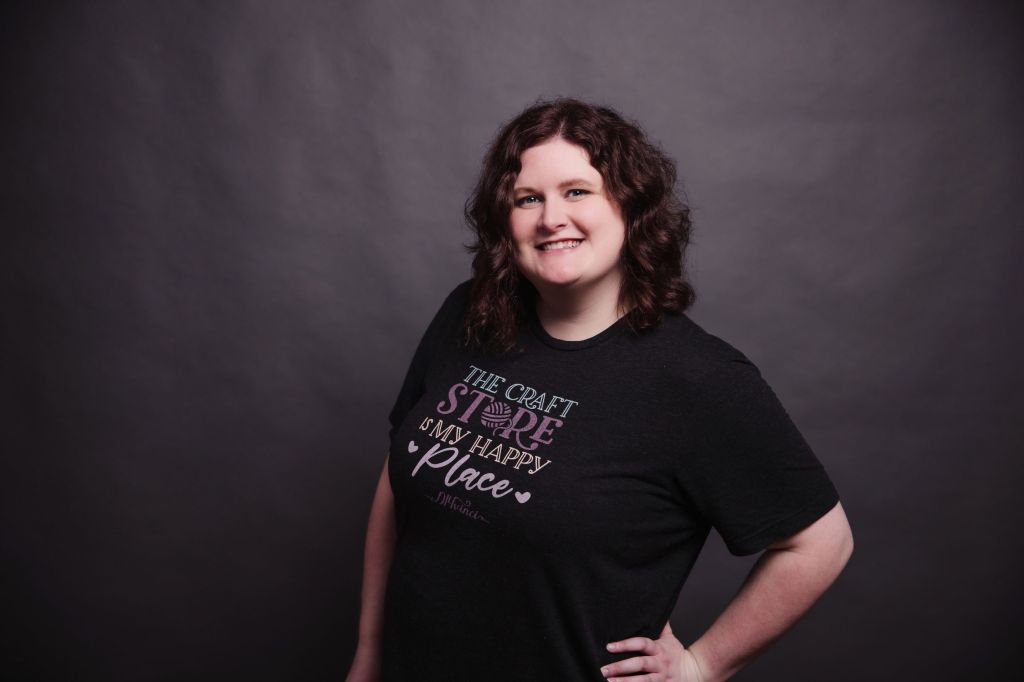
6/8/22 – Peoria, Illinois: DIYvinci. © Chris McGuire Photography.

However, giving up isn’t in my DNA. Not only am I curious, but I’m also stubborn. I refused to just leave this as it was. I started this year making changes, and I wasn’t about to stop until I had the answers I needed. That is when I discovered Dr. Natalie Engelbrecht from Embrace ASD. Not only did Dr. Engelbrecht offer assessments and diagnoses for adults with autism, but she is autistic herself. It didn’t take me long at all to decide to go forward with the assessment with her. Less than a week later, I got my report back. The first few lines read: Suspected Diagnosis: Autism Spectrum Disorder. While I did cry after reading this report, it wasn’t like before. This time, I was heard. This time, someone took the time to read through my struggles and validate that I’m not weird, crazy, or another forgotten statistic. For the first time, I felt like I could say, “I am autistic and I no longer have to pretend to be anything I’m not.”

I eventually was diagnosed officially as autistic, ADHD, dyspraxic, and dyslexic. These labels finally gave me words for my lifelong struggles and opened the door to begin to accept myself for who I am. At close to 8 years, I left my data entry job in pursuit of being a full-time entrepreneur. I had already been operating DIYvinci for over 4 years by this point and was determined to see it flourish. 

While my business still isn’t earning enough to support me, I was recently given a huge opportunity through Synergies Work with both a business grant and an 8-week entrepreneurship learning program. For the first time in a long time, I felt like someone finally saw value in what I was doing and was willing to go to bat for me. Aarti, Shlok, and the whole Synergies Work team brought back a spark I feared I was losing.

Q: What is something valuable you’d like others to know?

A: One thing I have learned over the years is that isolation doesn’t support growth. While I often retreated to isolation as a kid as a means of self-protection, I don’t allow myself to stay in that state for long anymore. I’ve learned that it is okay to ask for help and that I don’t have to do everything on my own. Connection with a community provides support, accountability, and an exchange of ideas that push you outside of your comfort zone. I highly recommend everyone seek out a community they relate with, that is encouraging, and that can help them see things from a new perspective.

Q: What does feminism mean to you?


A:
To me, feminism means opportunity. Many cultures can easily stereotype women into certain categories and when a woman attempts to do something outside those categories she’s often seen as weird. Feminism is when we shift this perspective and view women as valuable, and human, and are celebrated for our differences. As someone who entered the technology field and entrepreneurship – both of which are primarily dominated by men–I’ve witnessed firsthand how women can be overlooked and discriminated against simply because of being a woman. I believe respecting others equally as fellow human beings is the essence of feminism.

Thank you for reading!

Website: DIYvinci

Woman Wednesday: Alisha M.


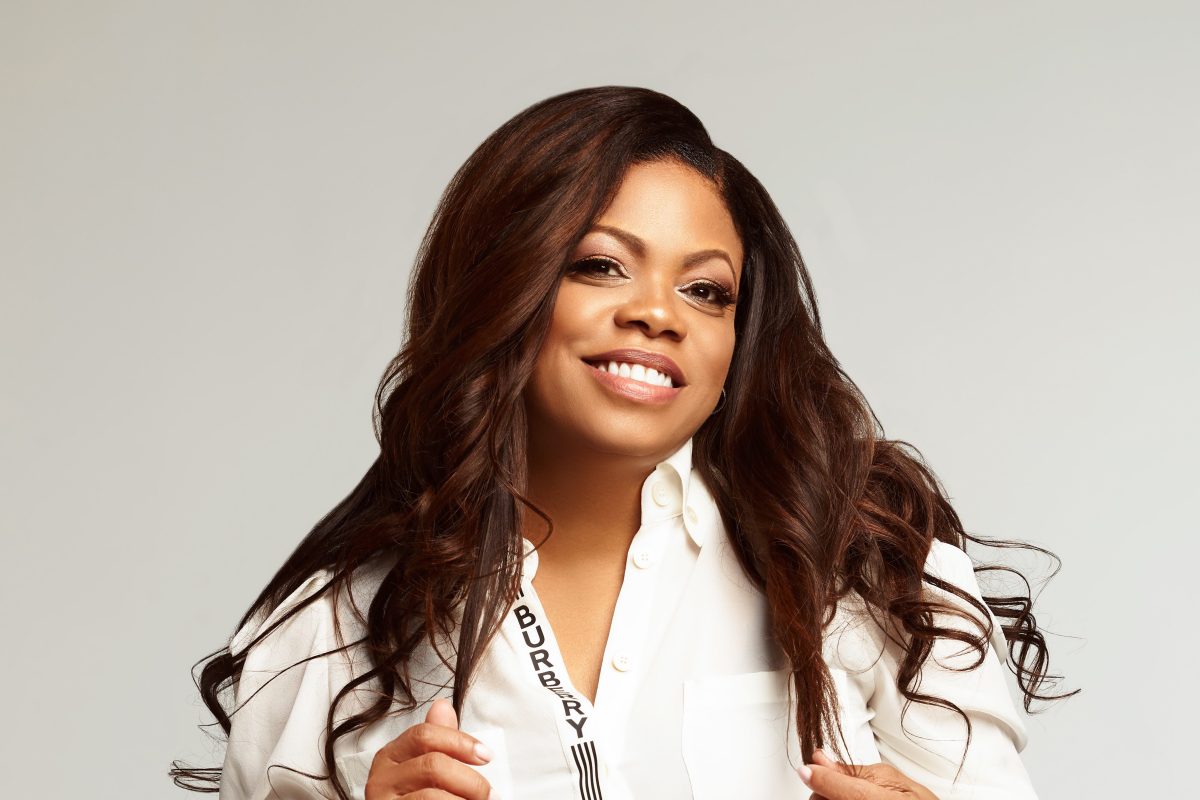
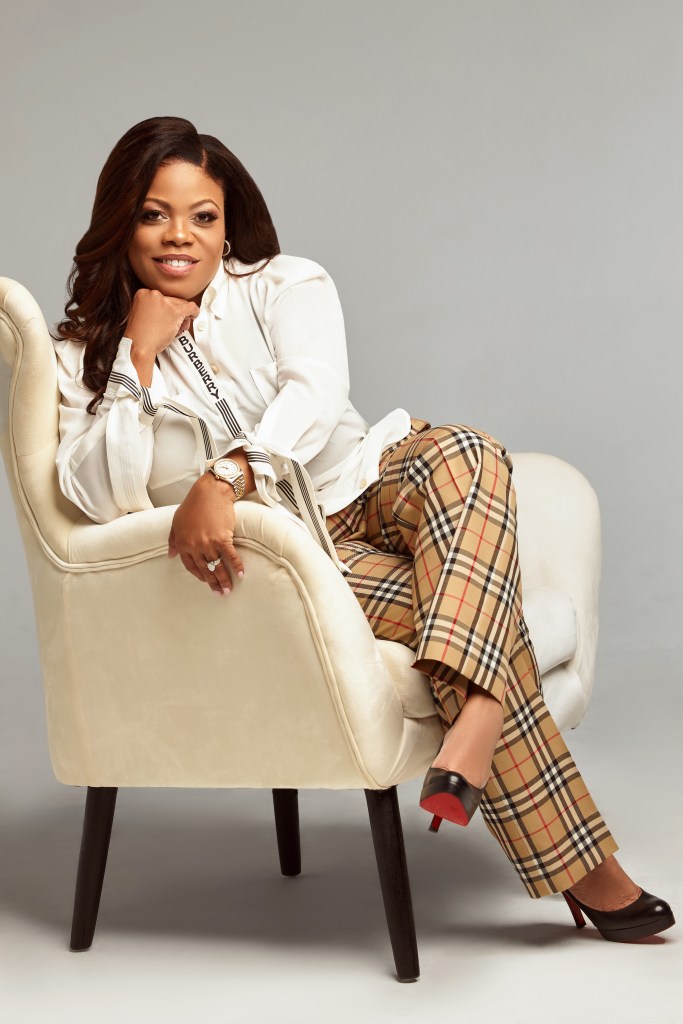
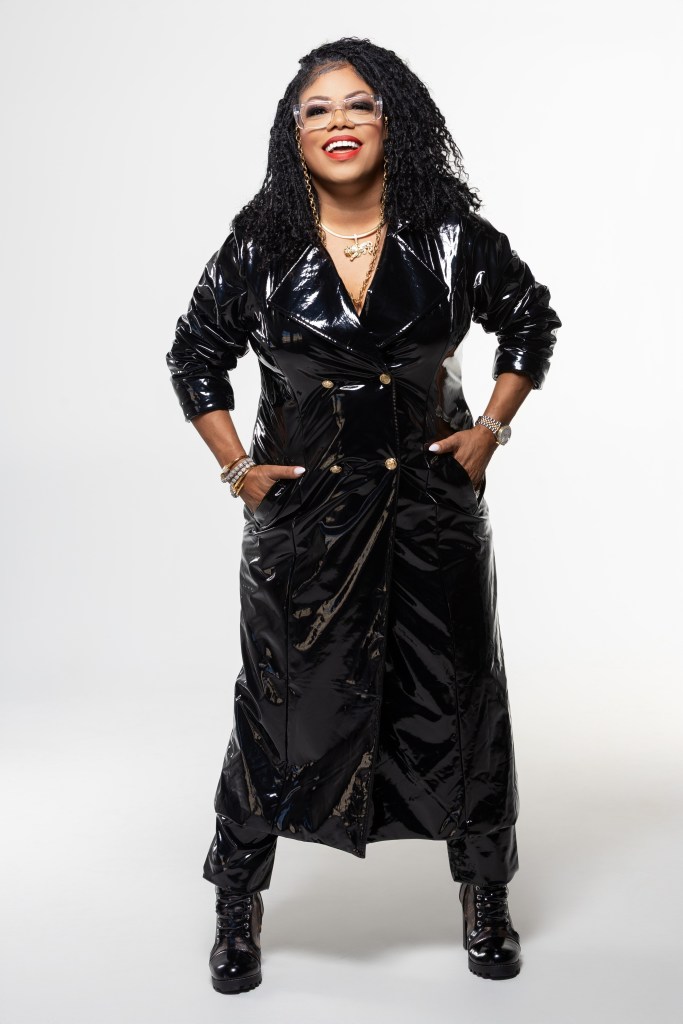
Q and A with Alisha M. from Dallas, Texas

“I want others to take from my story that faith, persistence, and purpose-driven action can change the trajectory of your life.”


Q: What are you passionate about? 

A: I am passionate about helping people build, protect, and pass on their legacies. 

As both an attorney and real estate broker, my work sits at the intersection of law, property, and empowerment. 

I found this passion by living it—I started as a teen mom with a GED, and step by step, worked my way to becoming a lawyer, broker, and business owner. 

Today, I’m focused on bridging the gap between communities and the systems that impact them; whether that’s probate, real estate, or business law.

I’m currently working on expanding my law practice, growing my brokerage, and building technology and education platforms like my AMELIA AI Blueprint to help professionals embrace innovation while staying true to their faith and purpose.


Q: What were your younger years like?

A: I grew up facing challenges that forced me to grow up quickly. 

Becoming a young mother while still in school was a turning point, but it gave me grit and resilience. 

Education became my lifeline: from GED to college, and ultimately to earning my Juris Doctor degree. 

Along the way, I worked in financial services, real estate, and legal support roles, each teaching me skills I still use today.

Those early years taught me perseverance, and that legacy isn’t just about wealth; it’s about showing up, pushing through, and proving to yourself that you can rewrite your story.


Q: What is something valuable you’d like others to know?

A: The most valuable lesson I’ve learned is this: your current circumstances do not define your destiny.  Obstacles aren’t stop signs; they’re detours that can build strength and wisdom if you don’t give up.

I want others to take from my story that faith, persistence, and purpose-driven action can change the trajectory of your life. 

You don’t have to come from privilege to build a legacy; you need the courage to keep moving forward.


Q: What does feminism mean to you? 

A: To me, feminism is about agency, equality, and empowerment. 

It’s about ensuring women not only have a seat at the table but also the tools, resources, and confidence to use their voice once they’re there. 

As a Black woman in law and real estate, feminism also means breaking barriers and lifting as you climb—because true empowerment multiplies, it doesn’t compete.


More about Alisha: I believe in blending faith with professionalism. My journey is not just about contracts, closings, and courtrooms; it’s about legacy and purpose. Everything I build—whether it’s my law firm, my brokerage, or my empowerment platforms—is rooted in service, excellence, and leaving something greater for the next generation.

You can connect with me on:
Instagram: @alishamelvinesq

LinkedIn: Alisha Melvin
General Website: www.alishamelvin.com | Law Firm: www.melvinandassociates.com I Residential Real Estate Brokerage: www.realandestates.com I Commercial Real Estate www.mr2g.com

Woman Wednesday: Ana


Q and A with Ana from Georgetown, Guyana, living in Westchester County, New York

We always have the ability to pivot, change direction, and move forward.”


Q: What are you passionate about? 

A: I am a passionate, diligent, and determined mother with an infectious smile and personality. After practicing law for 20 years, I stepped out on faith and transitioned into grant writing—a path that perfectly aligns with my purpose of serving others.

My background as an attorney sharpened my research, writing, analytical, and communication skills, all of which prepared me to craft compelling grant proposals and strategic arguments for causes that matter.

I believe that each of us has a single purpose in life: to do God’s work through service. For me, grant writing is how I fulfill that calling.

What I love most about grant writing is how it brings together my unique talents and achievements to make a tangible impact while also providing a healthy work-life balance. I partner with nonprofits addressing homelessness, food insecurity, and social justice, offering a full range of services—including grant readiness assessments, research, proposal writing, and grant management—to help them secure the funding they need to fully support their missions.

Currently, I volunteer as the development officer for the United Community Center of Westchester, where I research funding opportunities, write proposals, and oversee fundraising activities. Through this work, I continue to honor my passion for service while empowering organizations to create lasting change in their communities.


Q: What were your younger years like?

A: My passion for law began in the seventh grade, when I took a pre-law course that ended with a mock trial competition. Our class visited a law firm in Manhattan, and I was completely captivated by the atmosphere. I served as one of the defense attorneys in the mock trial, and I loved every moment of the experience.

From that point on, I was determined to become an attorney. I took every pre-law course available, joined the debate team, and pursued every opportunity that could move me closer to my dream.

My dedication paid off early—I graduated from high school a semester ahead of schedule after completing an internship during my senior year, which allowed me to begin college sooner. I went on to earn my bachelor’s degree in political science from SUNY Albany with a double minor in psychology and criminal justice, along with a concentration in sociology.

From there, I pursued law school at Brooklyn Law and then completed my LLM at NYU Law School. I sometimes joked that I was a professional student because I truly loved learning, researching, and discovering new information.

My legal career began at the New York City Department of Housing Preservation and
Development, and later I went into private practice.

I started as a solo practitioner, then cofounded a firm with a law school colleague, Hercules & Irick, before returning to my own private practice. Over the span of 20 years, I focused primarily on real estate law, probate, trusts, and estates.

While I poured myself into my legal career, I also began to realize the personal sacrifices I was
making—particularly time with my family. That reality hit me right before the pandemic, when my
son asked me to chaperone a school trip.

I apologized and told him I was too busy, to which he replied, “Mom, you’ve never done anything with me.” That moment was a wake-up call.

Soon after, the pandemic arrived, giving me the space and opportunity to reset, re-evaluate my priorities, and choose a path that allowed me to spend more time with my children while still serving others.

And thus, my grant writing career was born. Grant writing became the bridge between my professional skills and my deeper purpose: to serve God by serving others. It allows me to use my legal training, research abilities, and writing expertise to help nonprofits addressing homelessness, food insecurity, and social justice secure the resources they need to make lasting change.


Q: What is something valuable you’d like others to know?

A: If there’s one lesson I’d like others to take from my journey, it’s that life is a process. We set goals, pursue experiences, work diligently toward them, and then pause to evaluate and adjust.

Nothing is set in stone. We always have the ability to pivot, change direction, and move forward.

My own path—from law to grant writing—reminds me daily that it’s never too late to embrace a new purpose, and that growth often comes when we allow ourselves the flexibility to evolve.


Q: What does feminism mean to you? 

A: To me, feminism is the belief in and advocacy for the political, economic, and social equality of the sexes. Society has historically—and continues to—prioritize the male perspective and place men in positions of power. That imbalance should be corrected in order to create a more just and equitable world for everyone.

Feminism is also about empowerment and voice. It means ensuring that women are not only given equal opportunities but are also encouraged to lead, to shape policy, and to define their own paths.

As a woman who has built a career first in law and now in grant writing, I’ve seen firsthand how vital it is to stand firm in spaces that were not always designed for us and to create new opportunities for the women coming after us.

Feminism, to me, is both a belief and a responsibility—to advocate, uplift, and help build a more inclusive future.


More about Ana: I was born in Georgetown, Guyana, and immigrated to the United States in the early 1980s when I was just eight years old. Moving to Brooklyn, New York, at such a young age shaped so much of who I am today. Brooklyn gave me resilience, grit, and drive—it’s where I learned to dream big and work hard for the life I wanted to create.

Today, I live in Westchester County, New York, where I’ve built both my family and my career. My journey from Guyana to Brooklyn to Westchester reflects not only where I’ve been but also the values I carry with me: perseverance, faith, and a deep commitment to serving others.

You can connect with me on:
● Facebook: facebook.com/ana.hercules.14
● Instagram: instagram.com/ana.a.hercules
● LinkedIn: linkedin.com/in/ana-hercules-24125359
● Website: anahercules.com

Woman Wednesday: Juliana


Q and A with Juliana from Bogotá, Colombia

“Educate your mind to think good thoughts and to be focused on the important.”


Q: What are you passionate about? 

A: I’m passionate about mental health, political psychology, arts, sports, SDG, and human rights. I’m passionate about all that is related to international development on the basis of a well-being economy.

I consider people an intrinsic element of international development.

Societies with poisoned leadership reflect an aversive practice that affects our capacity to cope as a community, our dialogue as a main source for change, our happiness as a process rather than an outcome, and, nevertheless, our dignity due to political differences. 

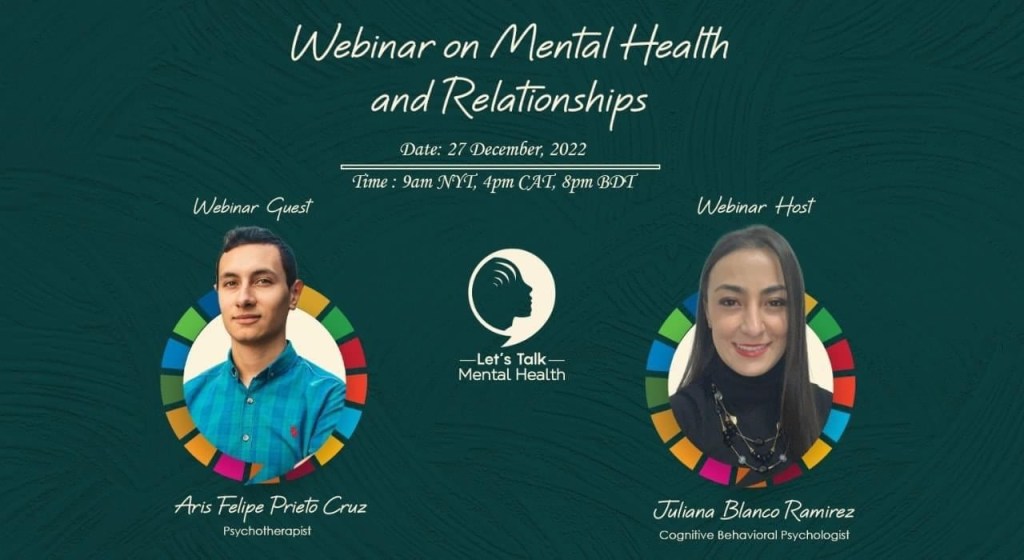
Let’s Talk Mental Health LTMH (2022). Hosting a webinar about mental health and relationships for LTMH, a platform dedicated to providing accessible mental health support through education, art, and advocacy. Founded in November 2018 by Anusha Chowdhury and Sankhulani Daka, driven by their shared passion to address the global mental health crisis in Bangladesh and worldwide. Anusha, a mental health advocate, was deeply motivated by the tragic loss of her best friend to suicide, while Sankhulani, who once battled severe depression and anxiety. Their journey from struggle to strength became a cornerstone of the organization’s mission, as they co-led efforts to build a global community of support.

Q: What were your younger years like?

A: I believed a life-changing element in my childhood was receiving a Montessori education. I went to a Montessori school for six years, from 6 years old until 12 years old.

It was a place where I was introduced to a cooperative style of dynamics.

The classrooms were small places with a rooted rule that nobody could be alone during break time.

We did homework at the end of each day with classical music, we had poetry classes each day for about 20 minutes in the middle of the morning, and classes where we stretched and practiced yoga poses.

All of this at the same time as a family dynamic with a roller coaster of emotions, instability, and the grief of a 1-year-old son with Down syndrome. Not forgetting to mention a cultural male dominance and a mother with narcissistic tendencies. 

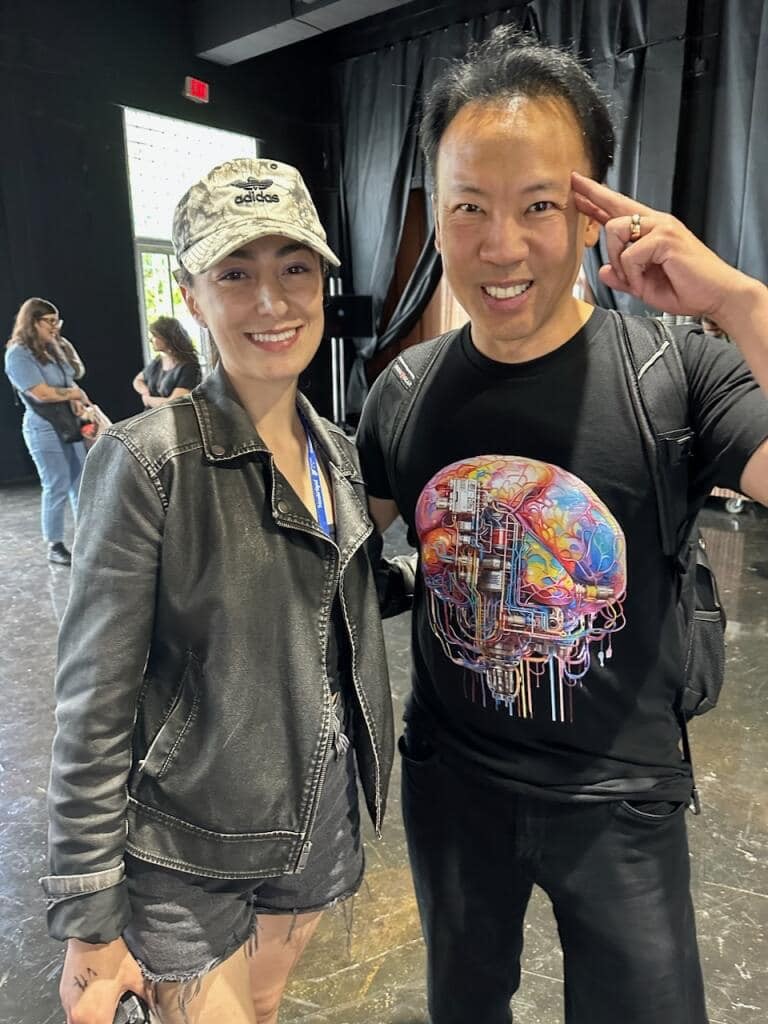
Microdose (2023). As a logistic control staff member during Wonderland in Miami. One of the biggest events in psychedelic medicine werevisionaries and pioneers from around the globe met during a 3-day event to explore the captivating realms of psychedelic medicine. The current approaches, recommendations for the future, and state of the art in public policies worldwide. A beautiful moment next to Jim Kwik, a widely recognized world expert in brain performance, mental fitness, and memory improvement. After a childhood brain injury left him with learning challenges, Kwik created strategies to dramatically enhance his cognitive performance. He has since dedicated his life to helping others unleash their true genius and brainpower. Kwik is the host of the acclaimed “Kwik Brain” podcast and NY Times bestselling author of “Limitless.” His mission: No brain left behind.

Q: What is something valuable you’d like others to know?

A: Each person has a history to live; each person has a pain to carry. Your pain is at the end of your best professor.

What you fear the most is what brings the most of you.

Each experience that you live brings an empowerment component within, not in the way that you want, but in the way that you need to be positively impacted.

The essence of personal power is to take care of your mind, rely on the positive judge that all of us have, and ignore the negative self-talk that comes to advise us once in a while.

Educate your mind to think good thoughts and to be focused on the important.

Let pain be an anchor for continuous self-improvement, but not a guide for your life. Remember, it’s not another day; it’s one less day in our lives. 

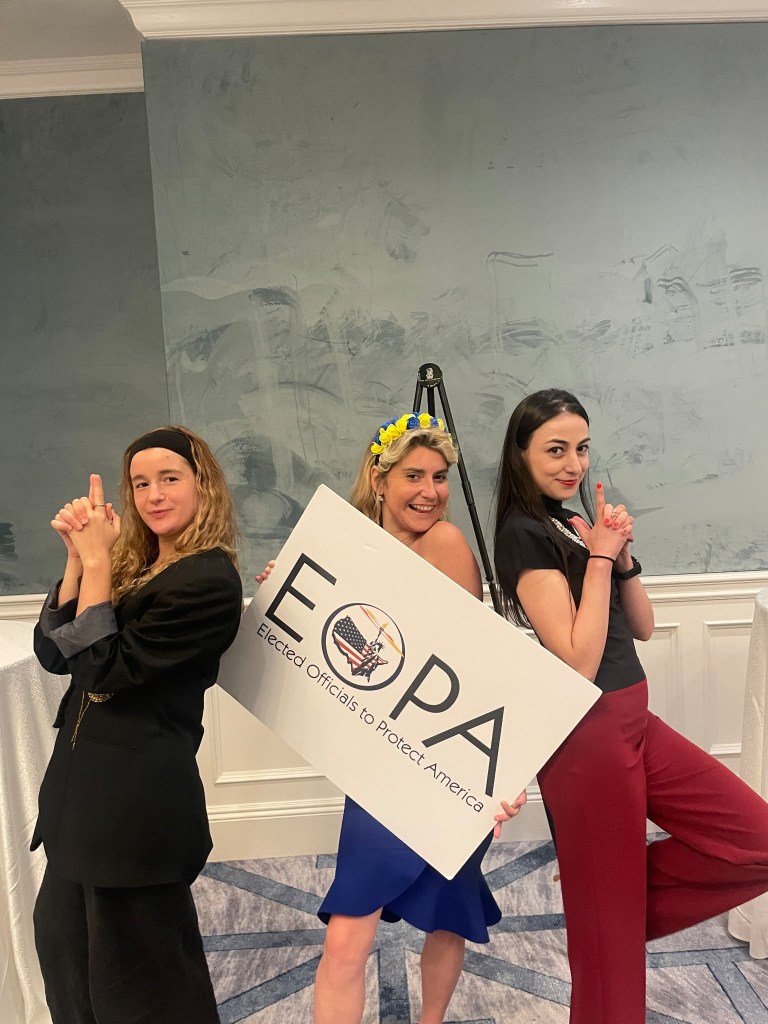
Elected Officials to Protect America E.O.P.A (2024). As a National Fellow for Elected Officials to Protect America, coordinating the Public Leadership Certificate and the Electric Vehicle Tour (EV) in New Jersey and Philadelphia. E.O.P.A. is a network of current and former bipartisan elected officials who care deeply about protecting our planet and democracy with education on energy security solutions. E.O.P.A. educates lawmakers through value-based storytelling. E.O.P.A. is the only national organization that mobilizes veterans who are lawmakers to work together on energy security solutions.

Q: What does feminism mean to you? 

A: Feminism means to me the freedom of men too. Fixed roles incapacitate all the individuals of a society at the same level.

It is about what you think about yourself, how you perform in life, where you think you belong, and where you can go. The history of your own path is, in an undeniable way, the construction of multiple direct and indirect experiences in a personal, familiar, and cultural way.

Misogynous discourses have been on the books of humanity from dated and undated times. However, history has been showing us that men also suffer from historical social injustices.

It is a reality that men commit more suicide than women, and their human suffering is silent; silence in this case is a non-consensual agreement.

Feminism means to me that women can own their “destiny” without the fear of misogynistic tactics as silence, intimidation, humiliation, underestimation, and the use of physical force for self-centered purposes.

It means to me a much more dignified society due to positive mental health. Has someone ever questioned the resentment caused by misogynistic discourses? Has someone ever questioned how historic resentment is at the root of armed conflict? 

Being born in the only country in South America that had an armed conflict for 50 years was a blessing and a curse at the same time. I became interested in everything related to negotiation processes and invisible weapons of mass destruction at a very young age; that was the moment I started to understand the use of sex as a mechanism of human control and emotional espionage to defeat adversaries from the depths of their souls. While the world relegates women to caretaking roles, power-hungry dictators use us as both a weapon and a shield. The use of women as weapons of war and psychic destruction is a secret at loud voices.


Connect with me:

Psychology Today

Mental Health article