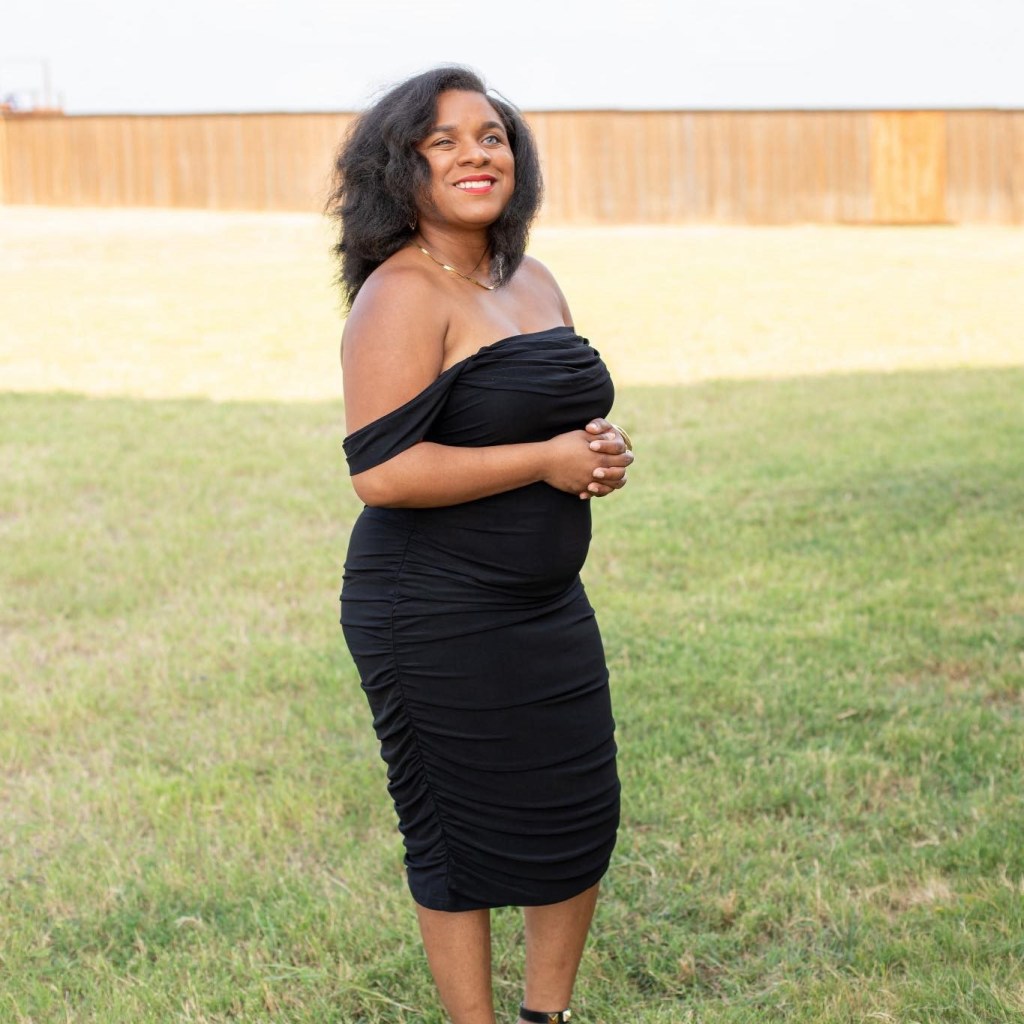
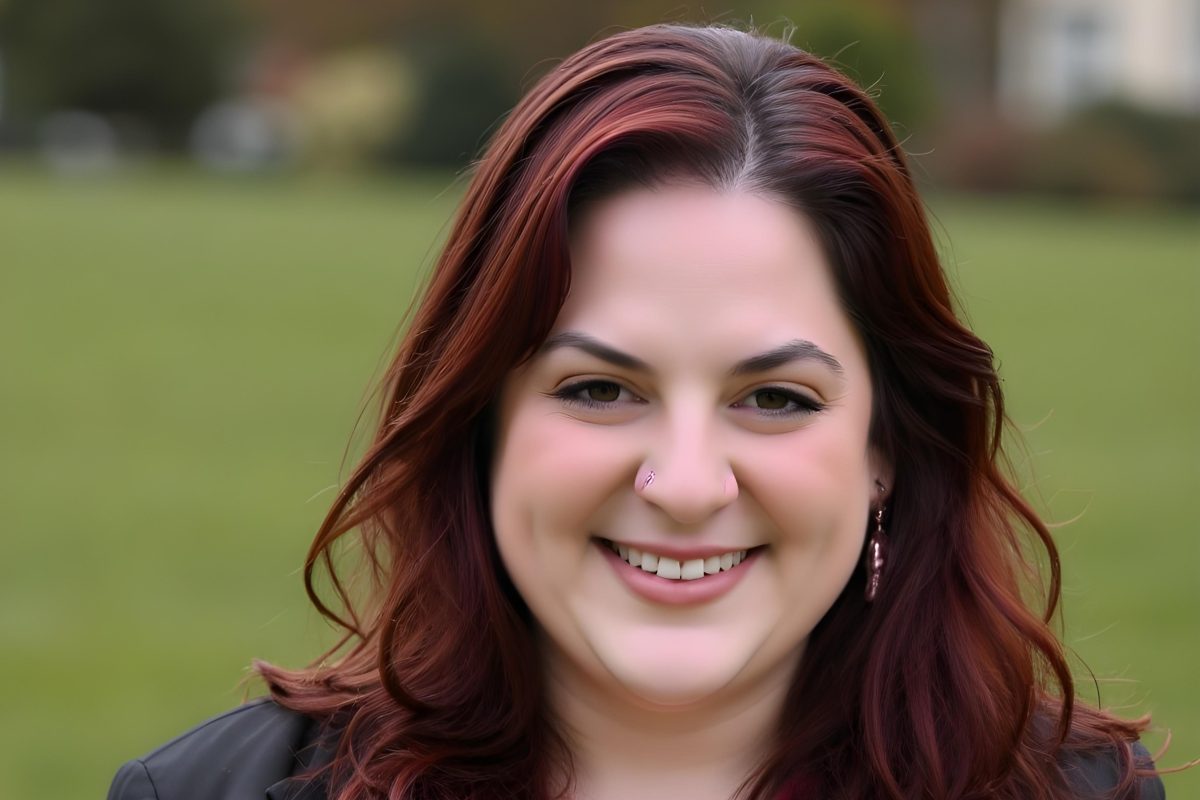
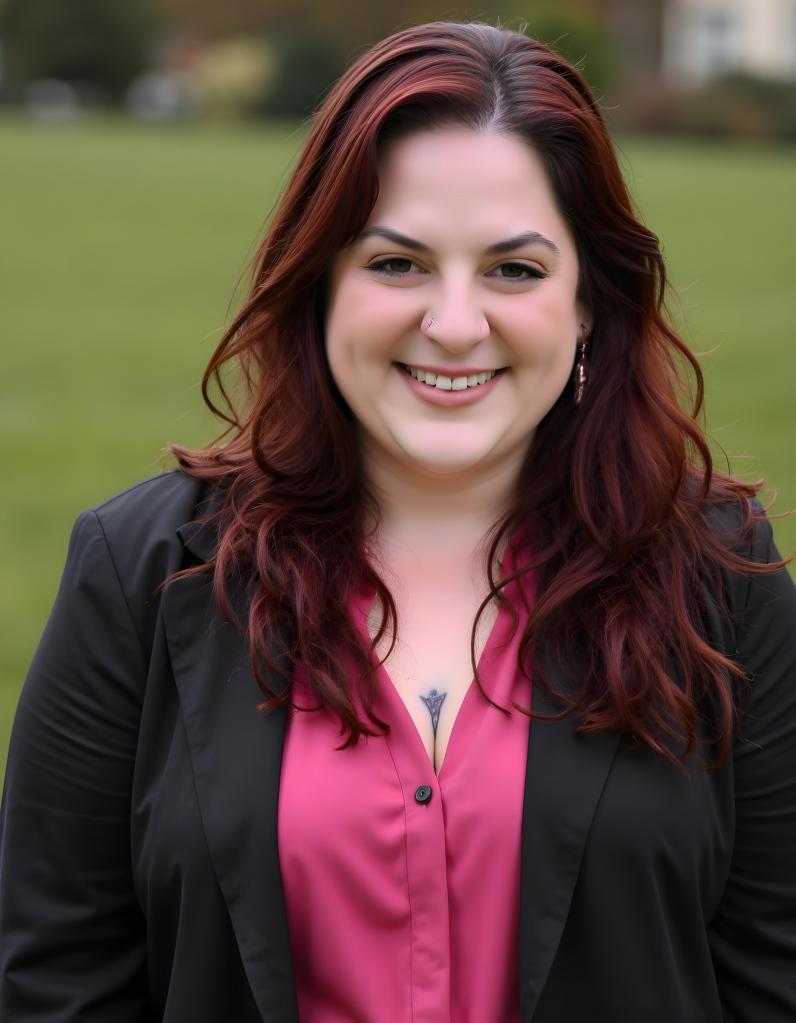
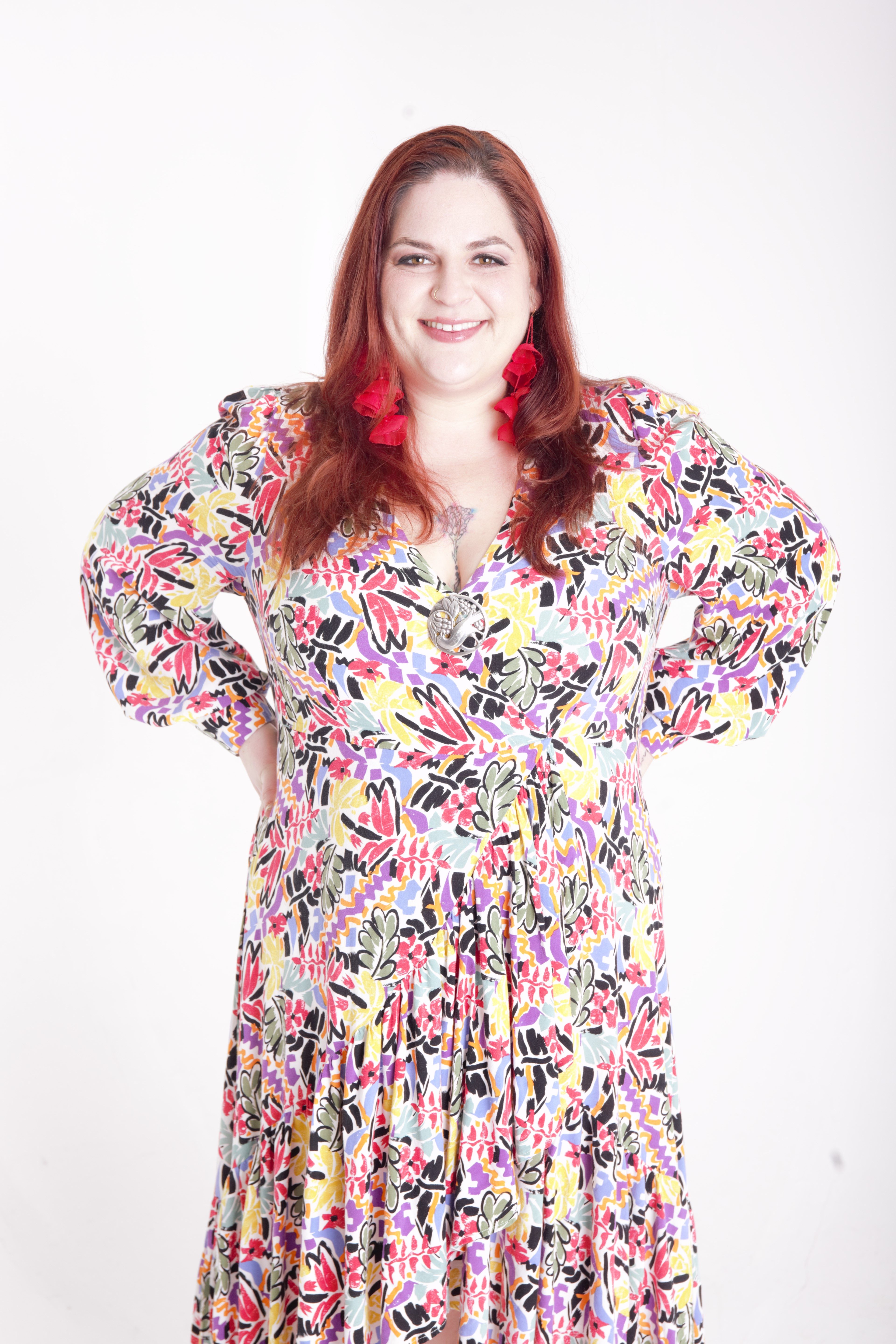
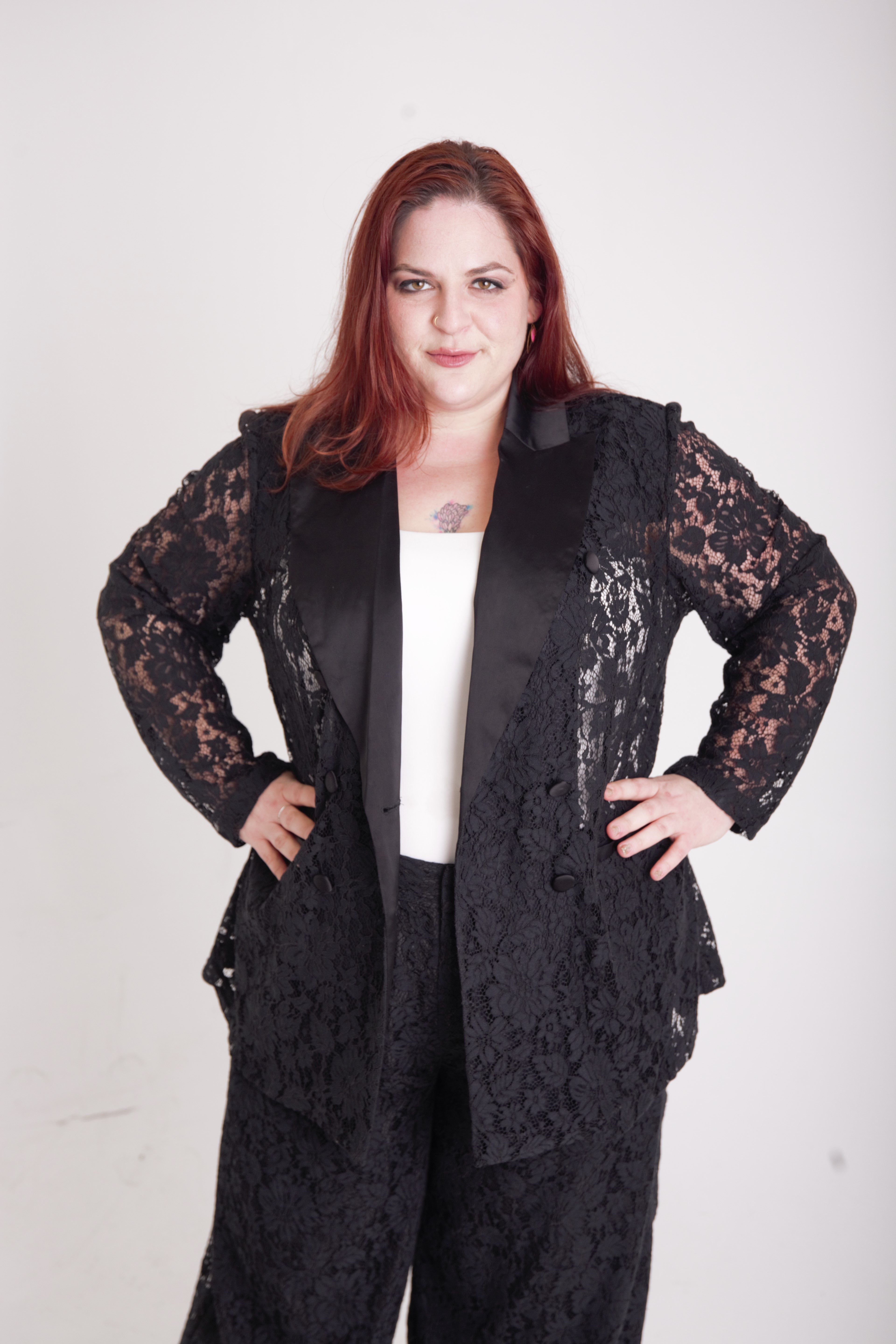
“Define yourself, because the world is definitely trying to do it for you.”
Q: What are you passionate about?
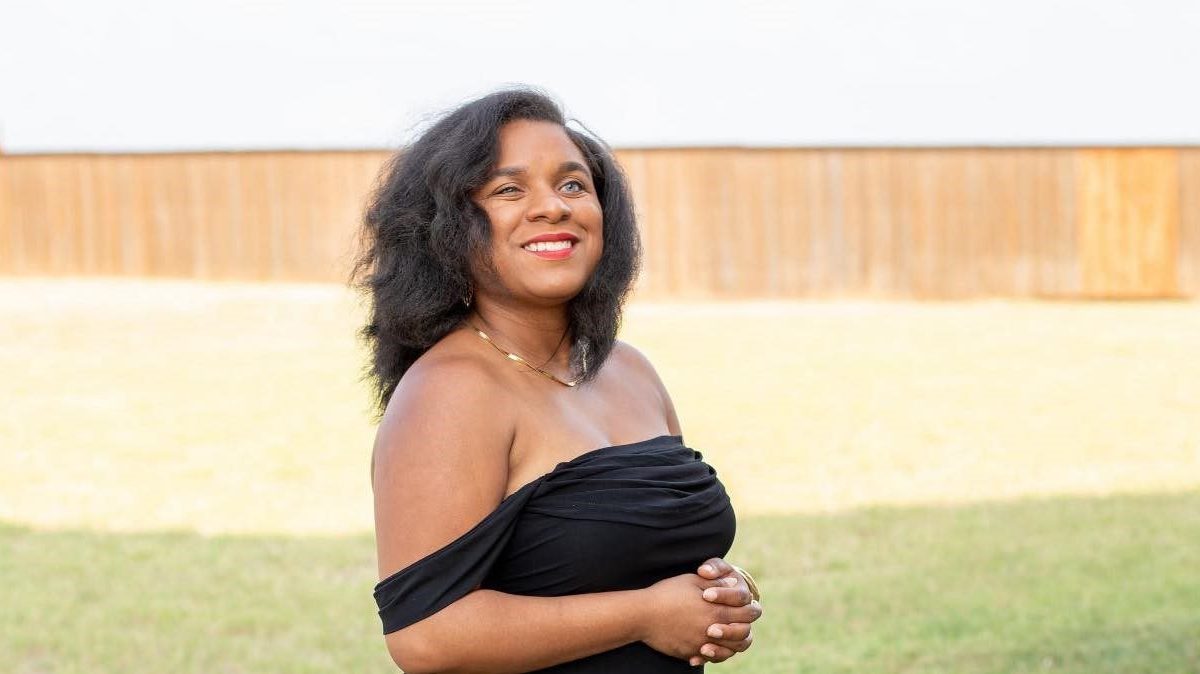
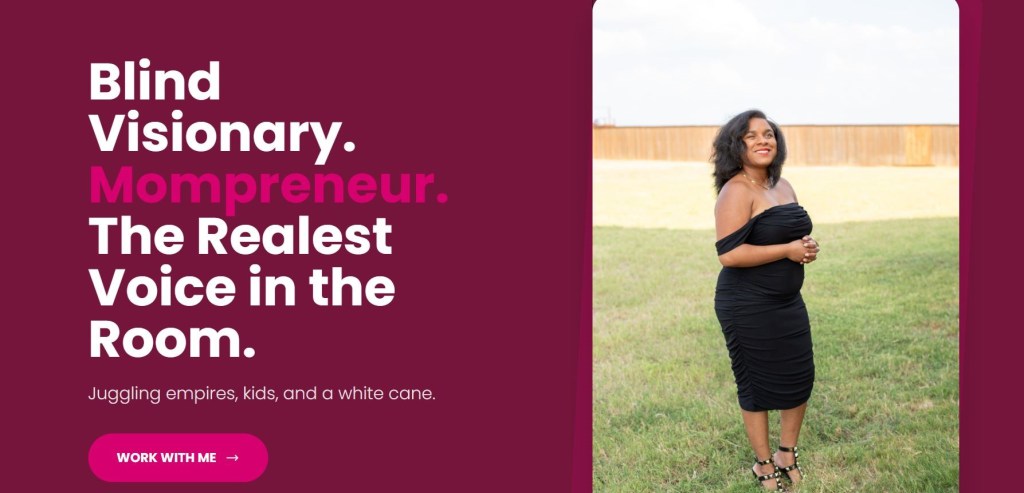
A: I’m actually in this beautiful, shifting phase where I’m leaning into the fact that my passion doesn’t have to be just one thing.
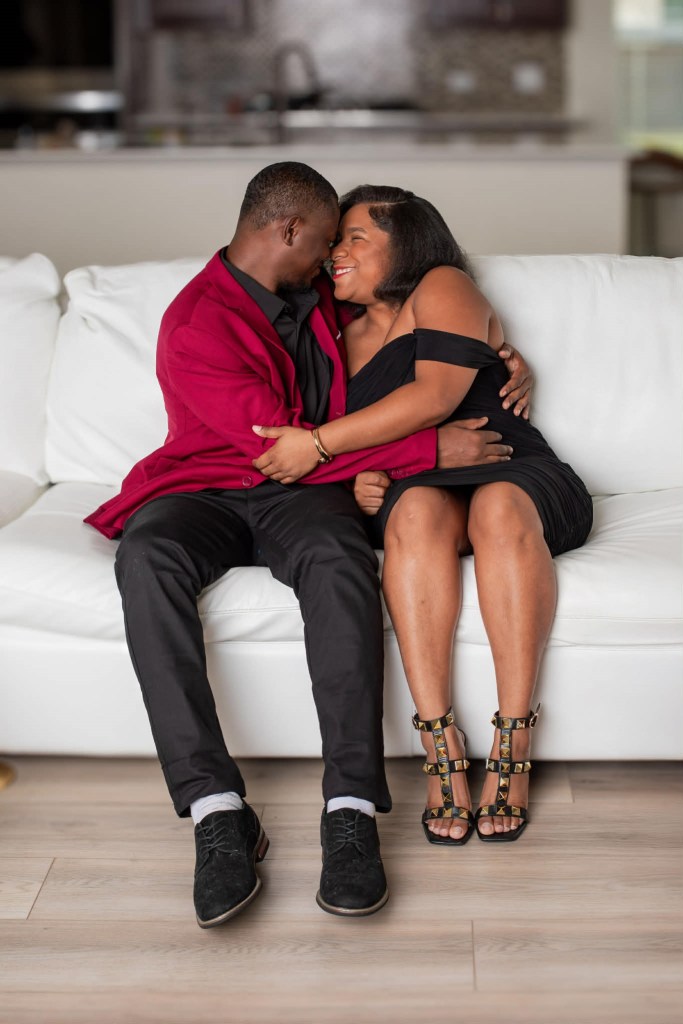
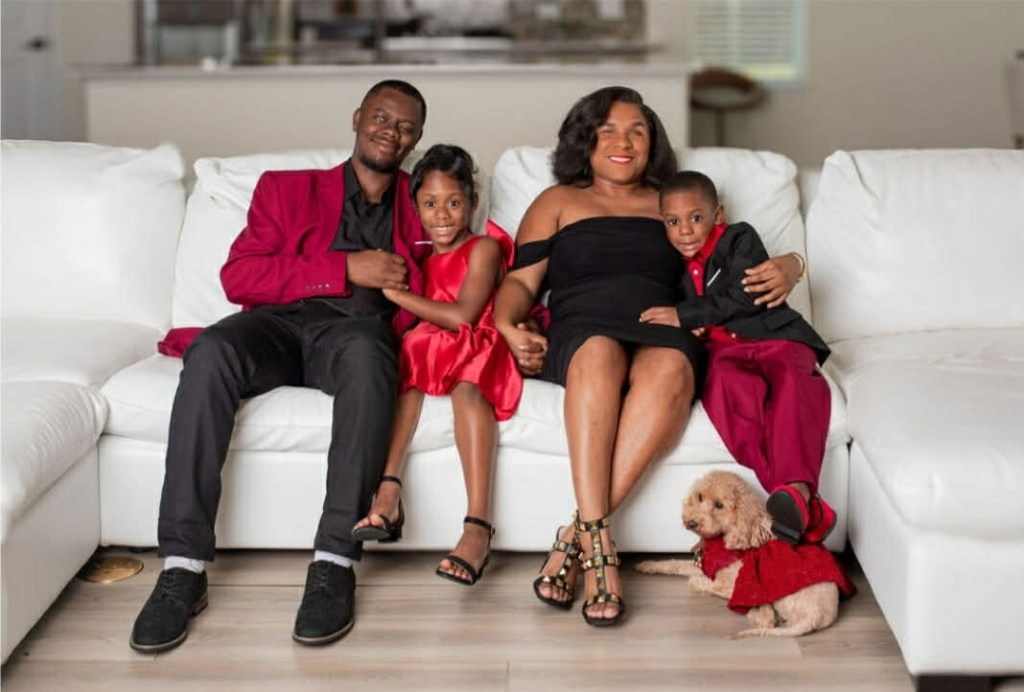
Priority one is building a beautiful life as a wife and mother, but that domestic passion is actually the fuel for my entrepreneurial spirit.
What I’m truly passionate about is ultimate flexibility and freedom for my family.
That drive for freedom is why my husband and I run a diverse portfolio of businesses.
We co-own Access Your Place (rental arbitrage) and Penny Works (AI website generation) on the corporate side.
On the lifestyle side, I channel my “mommy-loving heart” into Reign & James Co. (baby gear rental/sleep coaching) and The Bad Bitch Club, a community for women who refuse to choose between building an empire and raising phenomenal humans.
Q: What were your younger years like?
A: It was the best of times and the absolute worst of times, all rolled into one.
I grew up in Arlington, Texas. The defining factor was being born with Peter’s anomaly, a rare form of glaucoma.
I lost my right eye super early, around age three, but I don’t actually remember that.
What I do remember is just being a normal kid: beating my older brother at video games, riding my bike, and obsessing over Dragon Tales.
Having one eye just meant I had to cozy up a little closer to the TV.
The real shift happened right before my tenth birthday when the glaucoma traumatically spread to my left eye.
I went from seeing to not seeing in less than 24 hours.
That kind of abruptness shatters everything.
I spent years in a really dark place, hating it.
But what I know now is that my blindness isn’t a flaw—it’s my flavor. It’s my superpower, and I had to hate it fiercely before I figured out how to use it.
Q: What is something valuable you’d like others to know?
A: My biggest takeaway is that strength is not the absence of bad days.
You can be utterly confident and still need a minute to cry in the shower.
I used to think resilience meant bouncing back fast, but it really means choosing to stand back up, even if it takes a week.
Also, for the moms out there: You are not failing your kids because you are blind (or busy, or tired). At the end of the day, you are literally only who you say you are. Define yourself, because the world is definitely trying to do it for you.
Q: What does feminism mean to you?
A: It’s simple: your gender is not a pre-written contract for your life. That’s the baseline.
Whether you’re building an empire or raising phenomenal humans—or both—it’s your choice. It’s about autonomy and options. F*ck a glass ceiling. Shatter that sh*t for good.
MORE ABOUT REL: Entering 2026, my main focus is health and happiness. I’m on a journey to heal my body and prioritize myself, because you can’t run a business or a family if you aren’t taking care of the vessel that does the work.
“When we regulate our inner world, we change how we parent, partner, work, and lead.”
Q: What are you passionate about?
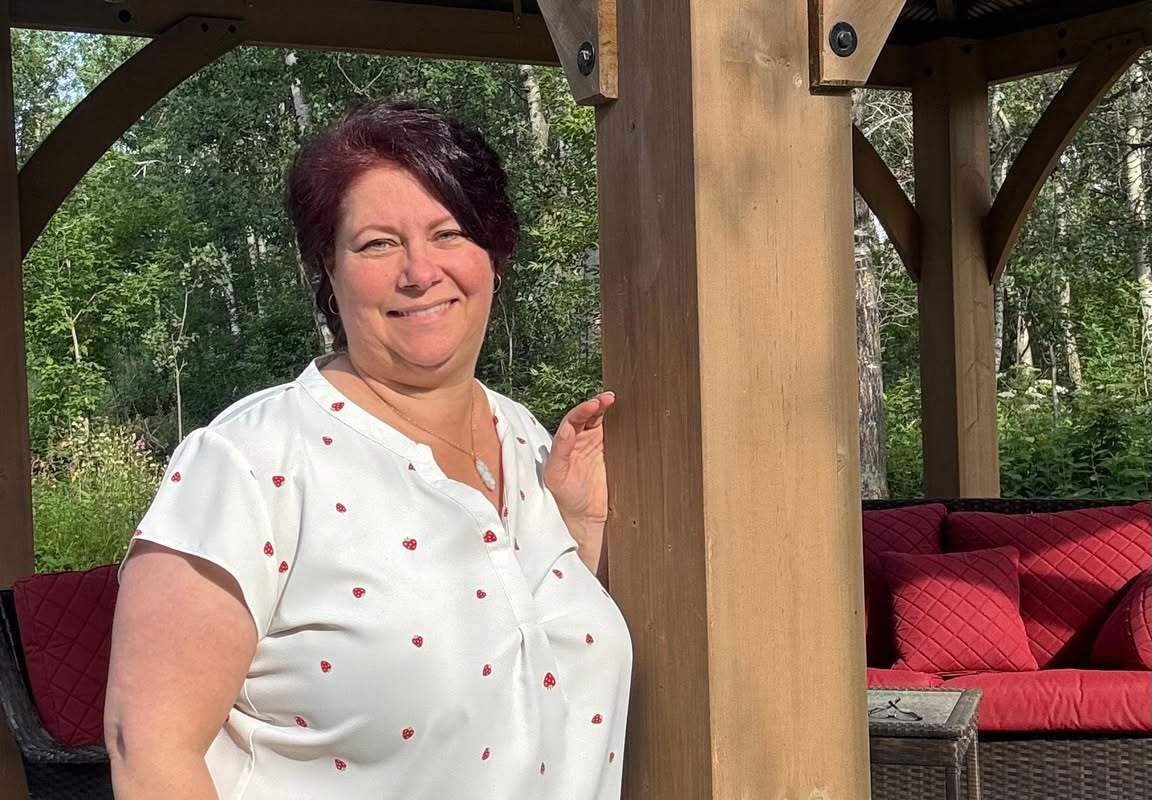
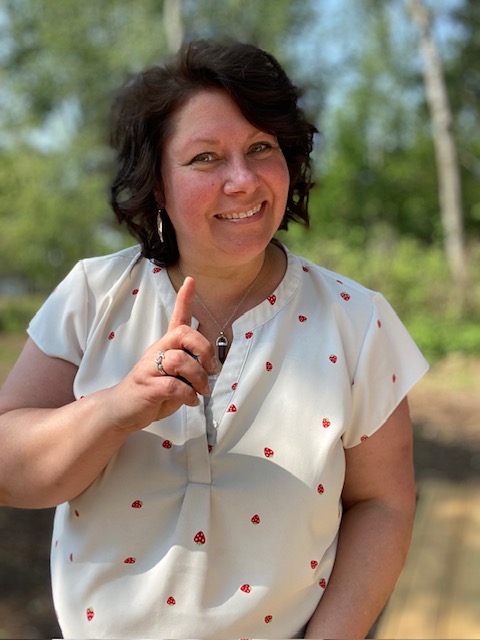
A: I’m passionate about empowering busy, overwhelmed professional parents, who feel stressed and disconnected with their families, friends, and possibly even business/coworkers.
My fire comes from my own lived experience of breakthrough and now deeply committed to guiding others to find that same calm, clarity, and personal power from the inside out.
I don’t just talk about transformation, I have lived it and continue to do so.
The only way the world becomes a better place is one person at a time who wants to build genuine connection with themselves, and among their partners, kids, families, friends etc.
[This is done] through practical tools that interrupt patterns of stress and overwhelm. Reset their nervous systems (energy) first so they are not just surviving, but shift to thriving in all areas of life, including the area that matters most…relationships.
This one area can change all other areas of life, professional, spiritual, financial, and so much more.
I focus on those who are feeling like they are losing control of their emotions, their outer world, providing them a calm, clear path to claim their personal power to create a peaceful, vibrant life we all crave.
We go from stuck to unstoppable, utilizing deep awareness, micro-momentum, and create lasting change.
Q: What were your younger years like?
A: My younger years shaped me in ways I didn’t fully understand until much later, navigating a lot of death and loss.
My mother programed me to stand on my own two feet and never tolerate abuse (as she was during her childhood and first marriage), then also losing her at the age of 23 (she was only 57).
I learned responsibility early. I became independent quickly. I learned how to adapt, stay strong, and keep moving—skills that served me well, but also kept me in a constant state of over‑functioning, overwhelm, and burnout cycles.
I was capable, observant, out-performing most in my presence and insensitive at times, because I didn’t feel safe slowing down, asking for help, or even in my own skin for that matter. My biochemistry was allergic to it.
That pattern followed me into adulthood, where productivity and competence became my default ways of feeling secure and feeling successful.
We all have addictions, this was mine: control.
Motherhood became a turning point. It exposed how deeply my nervous system was wired for vigilance and control.
By the time my child hit puberty, we started getting diagnosis for her (neurodivergent) and following in my mother’s footsteps in abusing my own physical vessel and becoming overweight with health challenges starting to creep in, I realized listening to Dr. Joe Dispenza, that if I didn’t get out of this high level of stressful functioning, it would bring about disease and I was not going to let that happen.
It pushed me to look inward—not to fix myself, but to learn how to regulate, soften, and lead from calm instead of fear. To get healthy mentally so my physical body could follow suit. This was my pivoting moment that changed it all, not in one swoop, but the path was shown, and over a few years, it became more and more clear and it brought me here.
Q: What is something valuable you’d like others to know?
A: [There are] so many, but some of the most valuable breakthroughs I have learned are:
“Your identity shapes every outcome in your life.”
See, we don’t do what we can; we live by what we believe, who we think we are.
When you shift this core belief (identity), everything else shifts with it.
You don’t need to try harder or have more willpower—you need to feel safer by consciously rewiring your inner story, your physiology and the language we use with ourselves first.
This is the power we need to shift to become our default.
It’s not about force; it’s the truth of being “stuck and overwhelmed” to “unstoppable and calm.”
I used to always say I was stuck and overwhelmed, now the second that creeps in, I have my new default habits and behaviors that stop and block it and reinforce who I really am.
I teach this very pattern interruption in my signature program “Ignite Your Personal Power.”
Because without anchoring your true identity, nothing on the outside will last.
Your results echo in your beliefs; master this and you master your life.
I work on this daily myself; it never ends, it’s a journey.
So, if you feel or say you’re a failure, it’s hard, its too much, I’m exhausted, etc. – [it’s] time to change those beliefs, the language, and physiology you carry around about any of that and shift it into your personal power.
I want people to know that it doesn’t matter where you’re from, your genetics, your history, what’s been done to you, around you, or what keeps happening to you, or even where you are right now…you are the only one that has the power to change it all in one small shift.
It starts with one decision with ABSOLUTION that YOU decide and define who you want to be and only YOU can make it happen.
It all starts with a decision and no turning back.
Then make small shifts “micro-momentums” so there is no going back – that [in] this current situation, you are the master of your life.
If you want to know where to start, come join me – there are so many resources out there; the only thing blocking you is you.
Say enough TODAY and mean it.
Q: What does feminism mean to you?
A: Feminism? It’s just another label we honestly don’t need.
I don’t buy into it, I don’t function by it, and it’s not part of my world or language—until now, because someone asked me.
Here’s the cold, hard truth: Every human being, man or woman, gets to define who they want to be, what limits they accept—or refuse—and how they become their best self.
Labels like feminism tend to muddy the waters. They build walls of expectations and entitlement that distract us from the real game: transformation, true freedom, and personal power.
I’m way more invested in deep, authentic empowerment for humanity—where connection isn’t confined by ideologies, where flow and love dissolve all boundaries.
We are one energy field, one vibration. Labels separate us. Authentic power unites us. That’s the truth I stand for.
MORE ABOUT ANN: I believe calm is an invitation—to ourselves and to others. When we regulate our inner world, we change how we parent, partner, work, and lead. The ripple effect is real, and it starts quietly, from the inside out.
“When you design your life and business around how you actually function—not how you think you should—everything becomes more sustainable, more humane, and ultimately more successful.”
Q: What are you passionate about?
A: I’m passionate about building systems that actually work for real humans—especially women, parents, and neurodivergent people who have been told (explicitly or implicitly) that they’re “too much,” “too scattered,” or “bad at follow-through.”
My work lives at the intersection of operations, delegation, and human behavior. I help women-owned businesses stop white-knuckling their way through growth and instead build support systems that fit their brains, their lives, and their values. That means processes that are clear but flexible, teams that are empowered instead of micromanaged, and businesses that don’t require burnout as the price of success.
This passion came from lived experience. I’ve been the overwhelmed founder, the parent trying to do everything herself, the person who knew she was capable of more but couldn’t figure out why traditional productivity advice kept failing her. Once I realized the problem wasn’t effort—but design—everything changed. Systems shouldn’t require you to become someone else to work. They should work because of who you are.
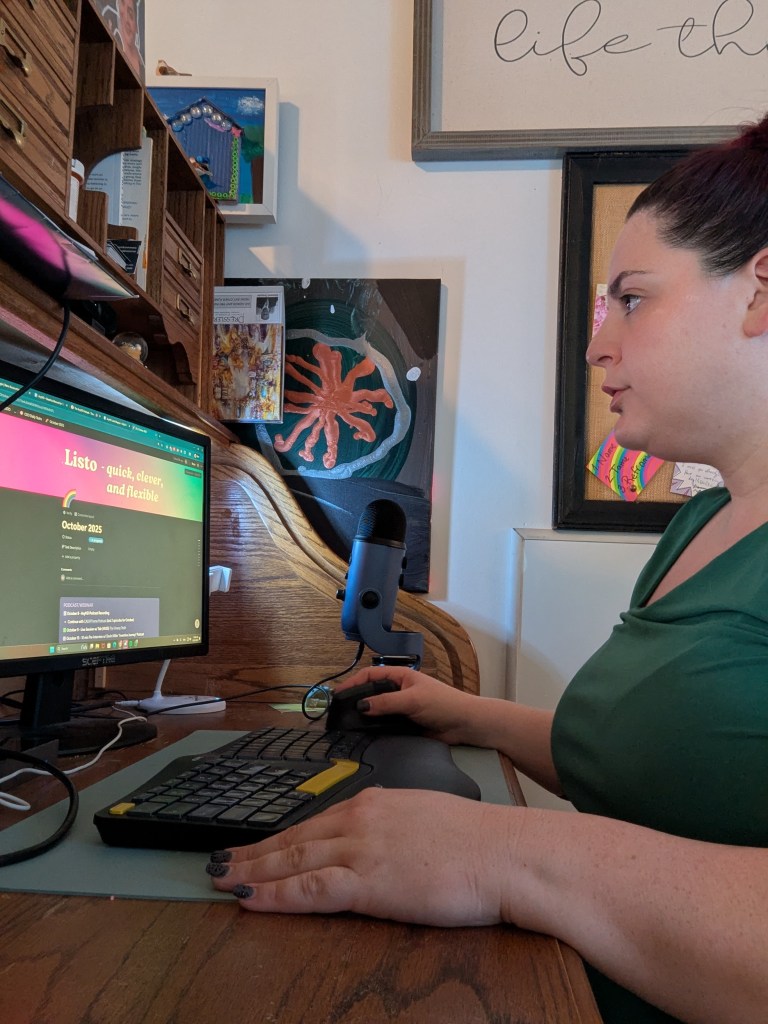
Right now, through Alisto, I lead a distributed team that supports founders with operations, project management, and delegation in a way that’s deeply personalized. I’m also building educational content and frameworks around delegation, emotional labor, and sustainable leadership—especially for women who are carrying far more than their job description suggests.
At the core of everything I do is this belief: when women are properly supported, they don’t just succeed—they lead better, build better, and change the rules for everyone coming after them.
Q: What were your younger years like?
A: My younger years were a mix of high expectations, deep responsibility, and a lot of internal pressure to “have it together.” I grew up in a family that valued contribution, intellect, and community, which meant I learned early how to be capable, reliable, and useful. I was the kid adults trusted. The one who could be counted on. That shaped me in powerful ways—and also quietly taught me that being needed was the same as being valued.
Academically, I did well, but school was never just about grades for me. I was constantly asking questions, challenging assumptions, and trying to understand people beneath the surface. I was drawn to leadership roles, organizing, and problem-solving, even when I didn’t realize that’s what I was doing. At the same time, I struggled with boredom, restlessness, and the sense that I was working twice as hard as others to stay “on track.” I didn’t have language then for neurodivergence—I just knew I could be both highly capable and inexplicably overwhelmed.
Outside of school, I was always in motion—working, volunteering, taking on responsibilities, filling gaps. I learned how to manage chaos early, how to anticipate what others needed, and how to hold things together when systems failed. Those skills made me look competent and confident from the outside, but internally I carried a constant low-level anxiety: if I dropped the ball, everything might fall apart.
Choosing social work later on wasn’t accidental. It came from years of watching how poorly designed systems punish people for being human—and how often women, especially, are expected to absorb that failure quietly. My upbringing taught me resilience and leadership, but it also taught me how easily capable people can become overextended when support is missing. Looking back, those years didn’t just lead me to where I am now—they explain it. They’re why I build systems that don’t rely on self-sacrifice, why I’m allergic to hustle culture, and why my work today is about creating structures that let people succeed without disappearing themselves in the process.
Q: What is something valuable you’d like others to know?
A: One of the most valuable things I’ve learned is that struggling doesn’t mean you’re broken—it usually means the system around you is poorly designed.
For a long time, I thought my exhaustion, inconsistency, and overwhelm were personal failures. I assumed I just needed to try harder, be more disciplined, or “get it together.” What I eventually learned is that many high-capability women are operating inside structures that were never built for them—at work, at home, or in leadership. When you place a capable person in a misaligned system, they don’t fail quietly; they burn out.
What I want others to learn from my story is that support is not a weakness and delegation is not a moral failing. You don’t earn rest by suffering enough first. You don’t need to prove your worth through over-functioning. Building support—whether through systems, boundaries, or people—is an act of leadership, not indulgence.
If there’s one takeaway, it’s this: you are not meant to do everything alone. When you design your life and business around how you actually function—not how you think you should—everything becomes more sustainable, more humane, and ultimately more successful.
Q: What does feminism mean to you?
A: To me, feminism means autonomy, access, and honest choice.
It’s not just about equal opportunity on paper—it’s about recognizing the invisible labor women are expected to carry and refusing to treat that as normal or inevitable. Feminism, for me, is naming the unpaid emotional, logistical, and relational work that keeps families, teams, and businesses functioning—and insisting that it has value.
It also means rejecting the idea that empowerment looks the same for every woman. Choice only matters when real options exist. Being able to build a career, ask for support, delegate, rest, lead, or opt out of certain expectations without punishment—that’s feminism in practice.
At its core, feminism is about women having sovereignty over their time, energy, bodies, and labor. It’s about designing systems—at home, at work, and in society—that don’t rely on women’s burnout to succeed.
MORE ABOUT AVY: One thing I’d want to add is that a lot of what I do now comes from learning—sometimes the hard way—that being strong doesn’t mean being endlessly self-sufficient.
I’m a builder by nature, but I’m also someone who had to unlearn the belief that my value was tied to how much I could carry. Becoming a parent, leading teams, and running businesses forced me to confront that. They made it impossible to pretend that willpower alone is a sustainable strategy.
I care deeply about creating work and lives that leave room for joy, rest, and humanity—not as rewards, but as foundations. I believe women deserve systems that support them before they break, and leadership models that don’t require martyrdom to be taken seriously.
That belief shows up in everything I build, everything I teach, and the way I choose to lead.
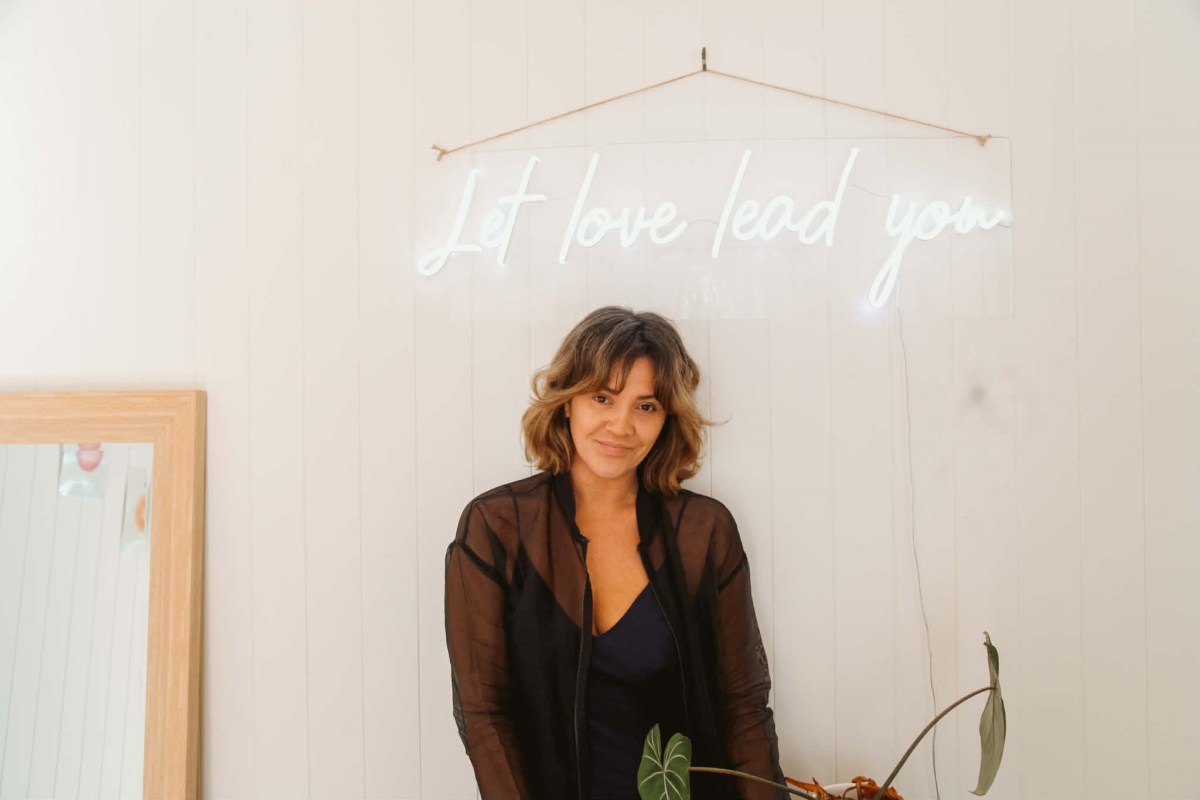
Q and A with Julie from Auckland, New Zealand, working in Australia and New Zealand
“…come home to yourself.”
Q: What are you passionate about?
A: I’m deeply passionate about helping women see themselves truthfully.
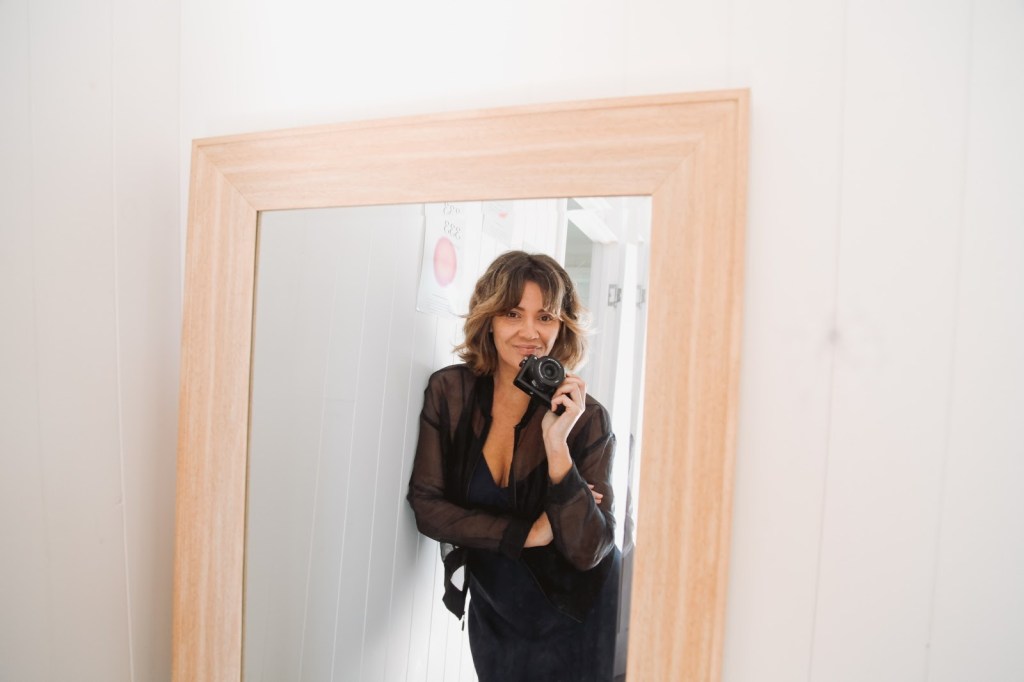
Julie Cooper Creative was born from years of working across branding, photography, mentoring, and storytelling. What began as creative work evolved into something deeper: identity and belonging.
I’m drawn to the moment a woman reconnects with her inner truth, when her work, leadership, and brand starts reflecting who she really is.
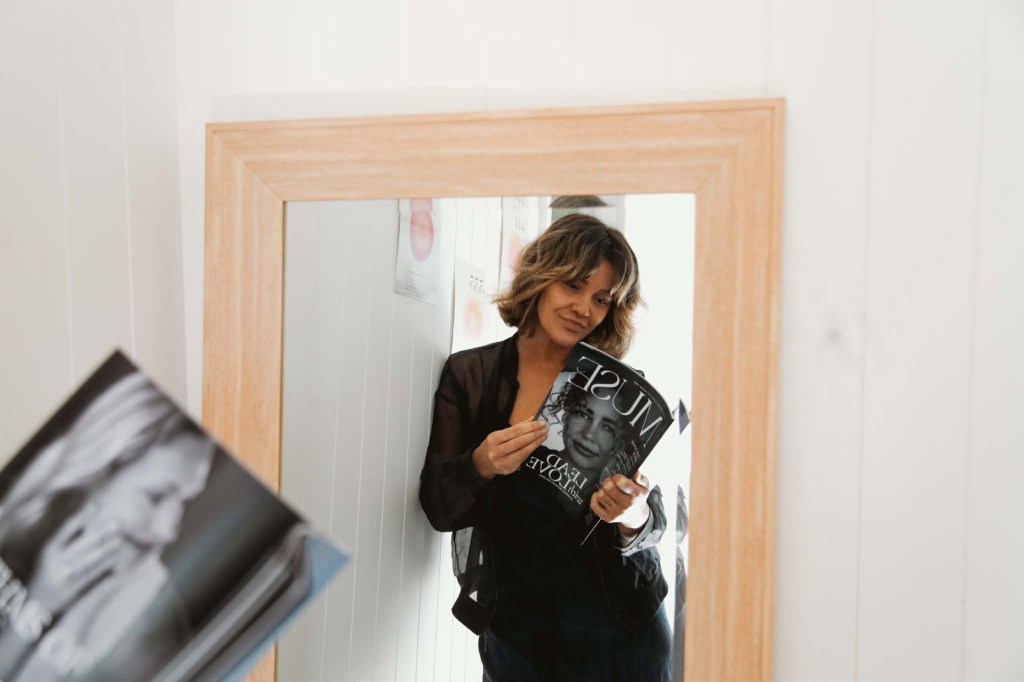
My work spans immersive brand experiences, design, editorial photography, business mentoring, MUSE Magazine & Retreats.
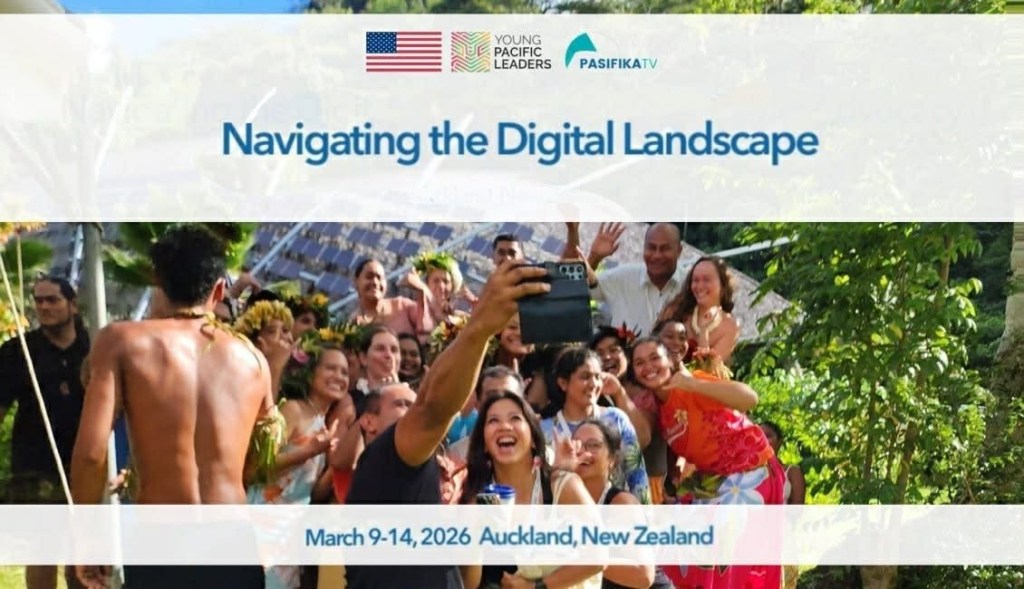
I was recently accepted into Young Pacific Leaders – Navigating The Digital Landscape Workshop, where I will represent Niue in March 2026, an honour that deeply aligns with my values around leadership and culture.
Everything I create is about alignment. Truth on the inside, resonance on the outside.
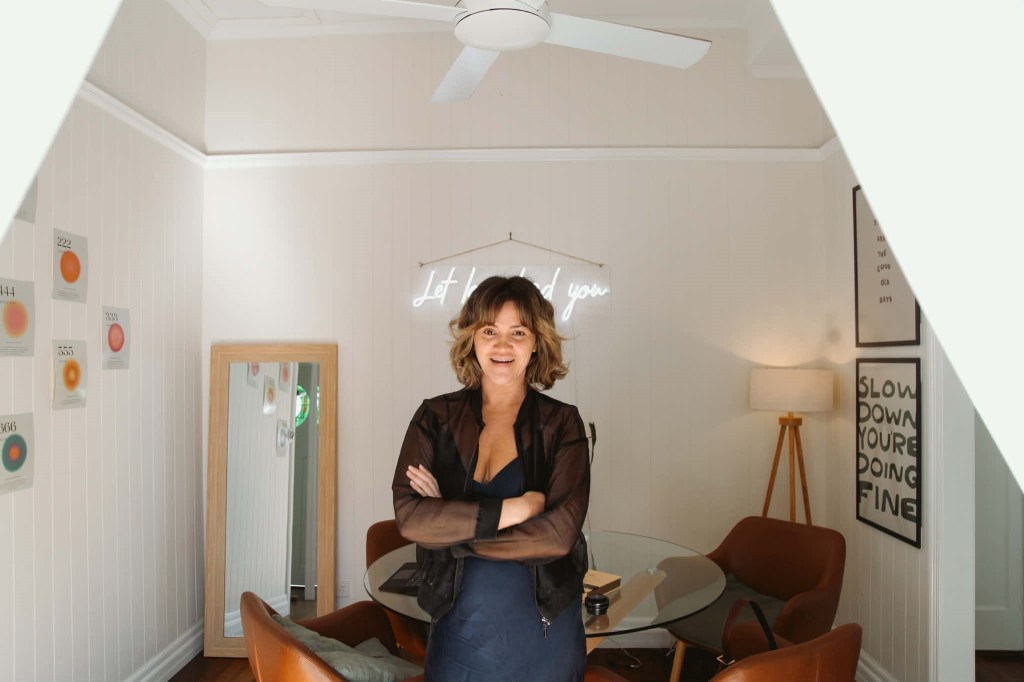
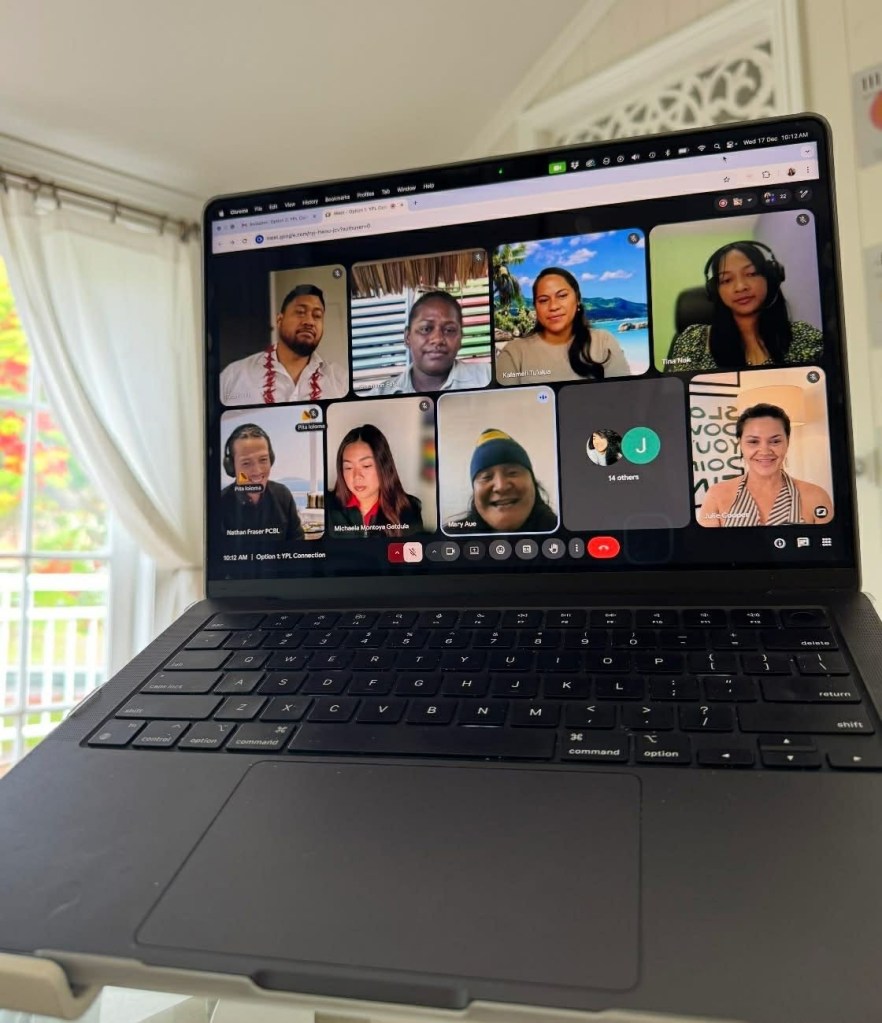
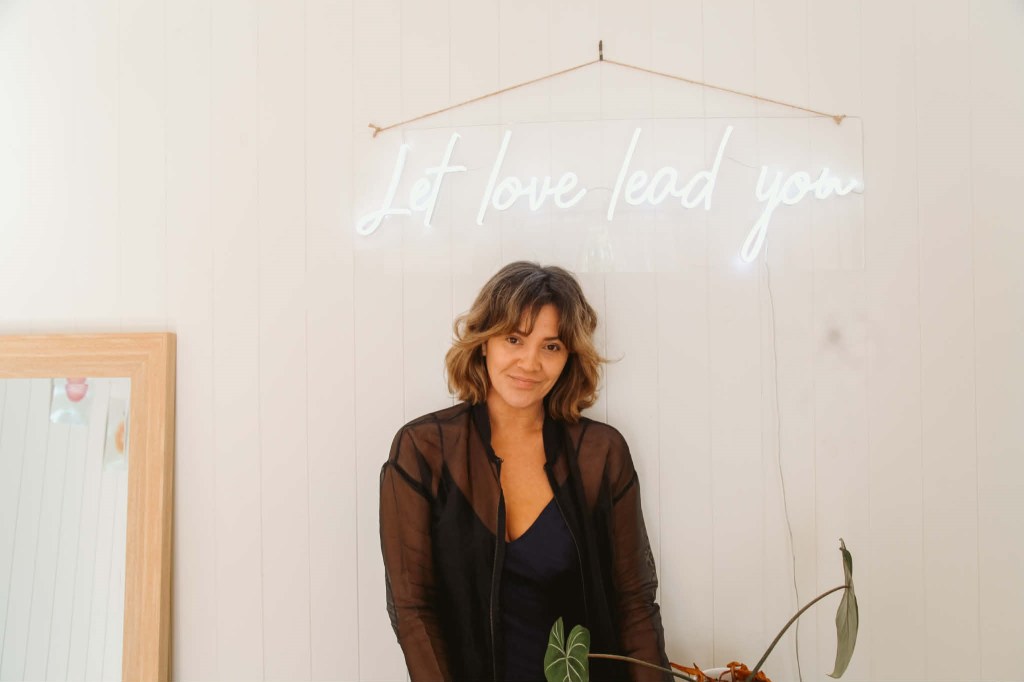
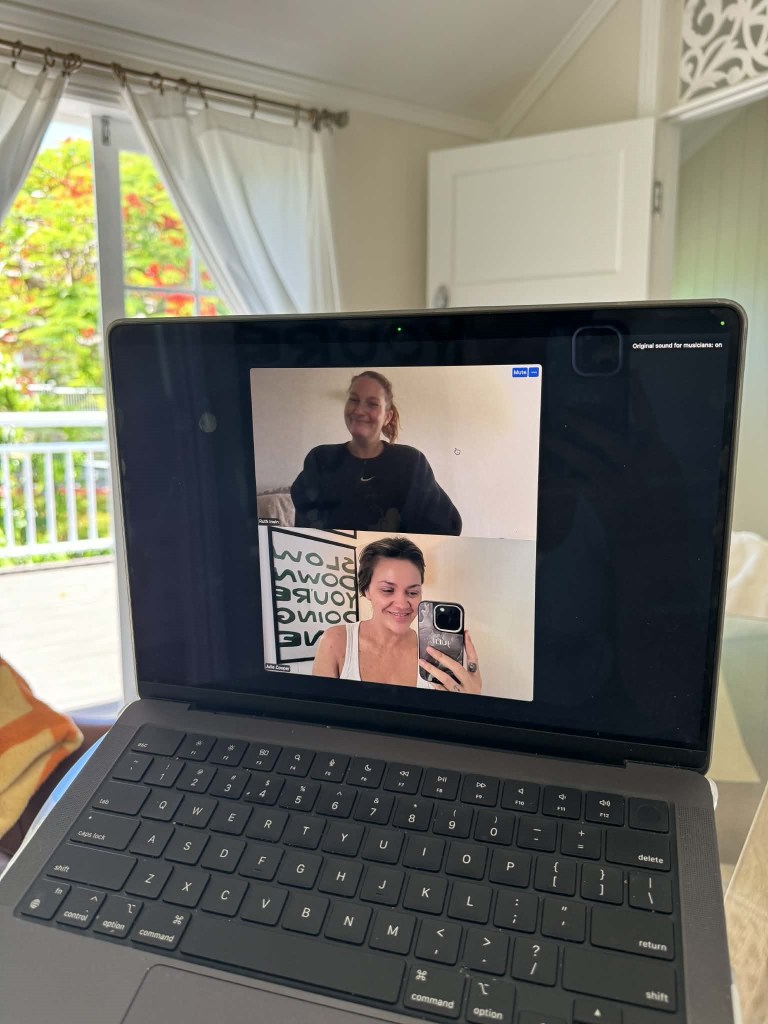
Julie Cooper Creative Studio | Coolangatta, QLD, AustraliaYoung Pacific Leaders – Navigating The Digital Landscape Workshop | First Online Meeting
Q: What were your younger years like?
A: I grew up in Auckland, Aotearoa, New Zealand, as the youngest of four siblings in a proud Niuean family. I am second-generation New Zealand, raised between cultures, identities, and ways of belonging. With Niuean and English heritage, I learned how to navigate multiple worlds and how belonging is something you ultimately cultivate within yourself.
I started working at 13 in hospitality, which gave me a strong work ethic and a deep curiosity about people from all walks of life. At 14, I picked up a camera, and it quickly became both a creative outlet and a way of understanding the world.
At high school, I was a prefect and earned a scholarship to university. I now hold multiple degrees, and throughout my education, creativity and leadership were always intertwined. I was driven by growth, learning, and building meaningful relationships, consistently saying yes to opportunities and trusting curiosity as a compass.
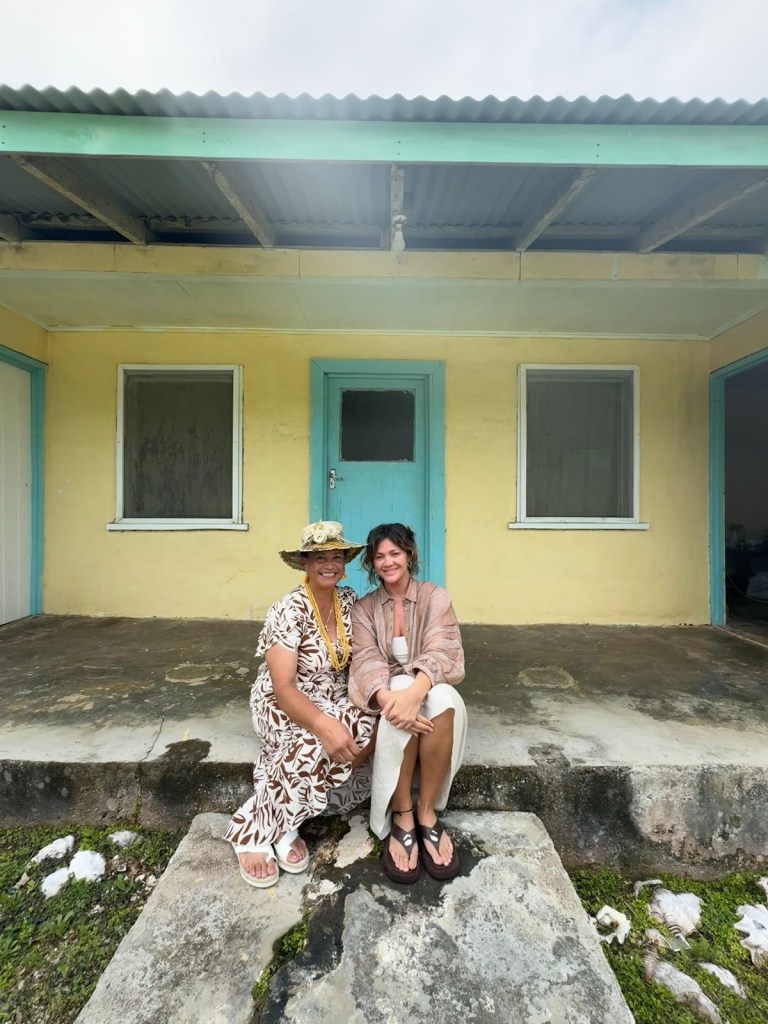
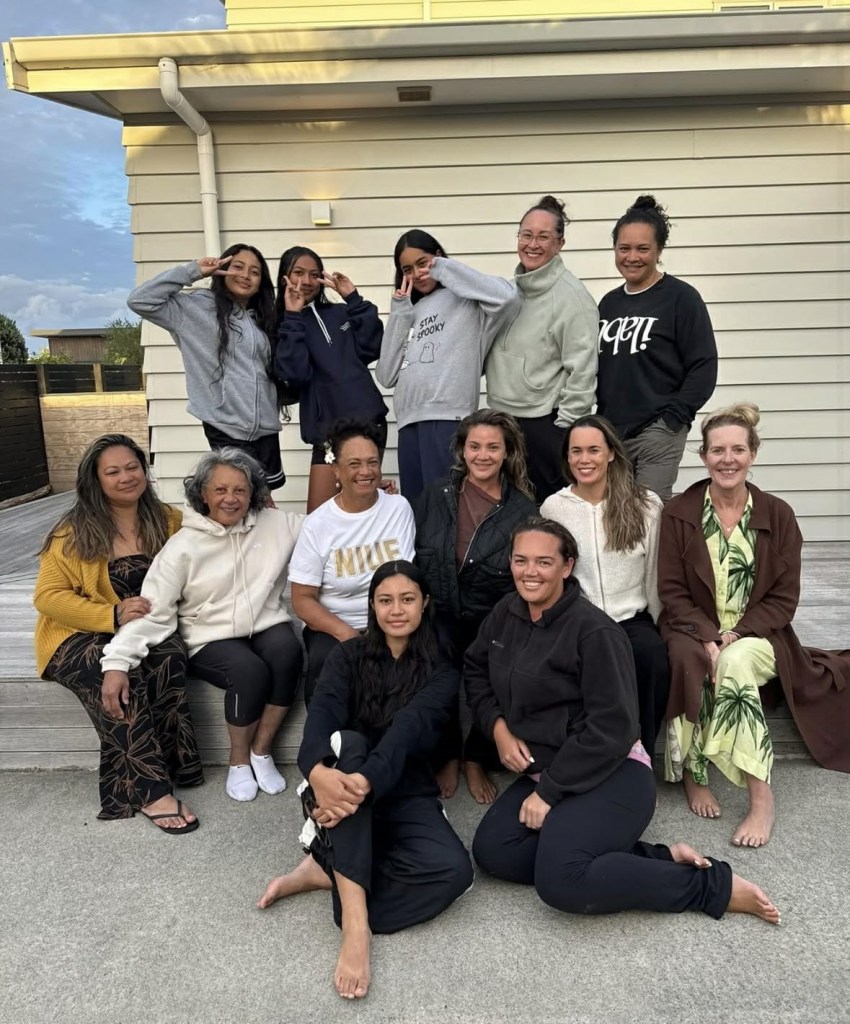
Fila Tiala Cooper (Mum) and Julie Cooper | Niue Island
Q: What is something valuable you’d like others to know?
A: The most valuable lesson I’ve learned is to come home to yourself.
This means noticing where you are performing, proving, forcing, or pushing. It’s about becoming aware of the subconscious narratives driving your choices and understanding why you do what you do.
When you stop performing and start listening, your nervous system softens. You find your own rhythm. From that embodied place, clarity replaces pressure and flow replaces force. Alignment becomes natural. That is where real confidence, creativity, and leadership live.
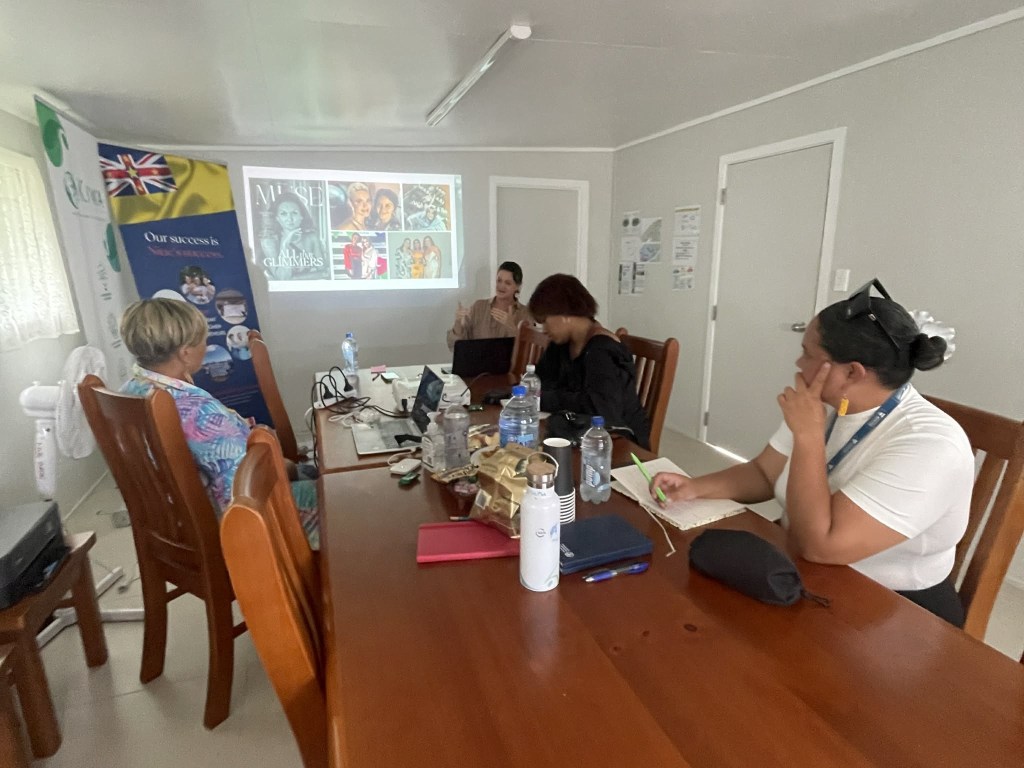
Julie Cooper Creative Workshop with New AWE Program | Niue Island
Q: What does feminism mean to you?
A: Feminism, to me, is choice.
It’s the freedom for women to define success on their own terms. To lead softly or boldly. To build wealth, rest without guilt, and trust their inner authority. It also means cultivating healthier, more nourishing relationships between feminine and masculine energies, both within ourselves and with others.
When a woman is grounded in her feminism, she can meet masculinity with safety, respect, and collaboration. That balance matters.
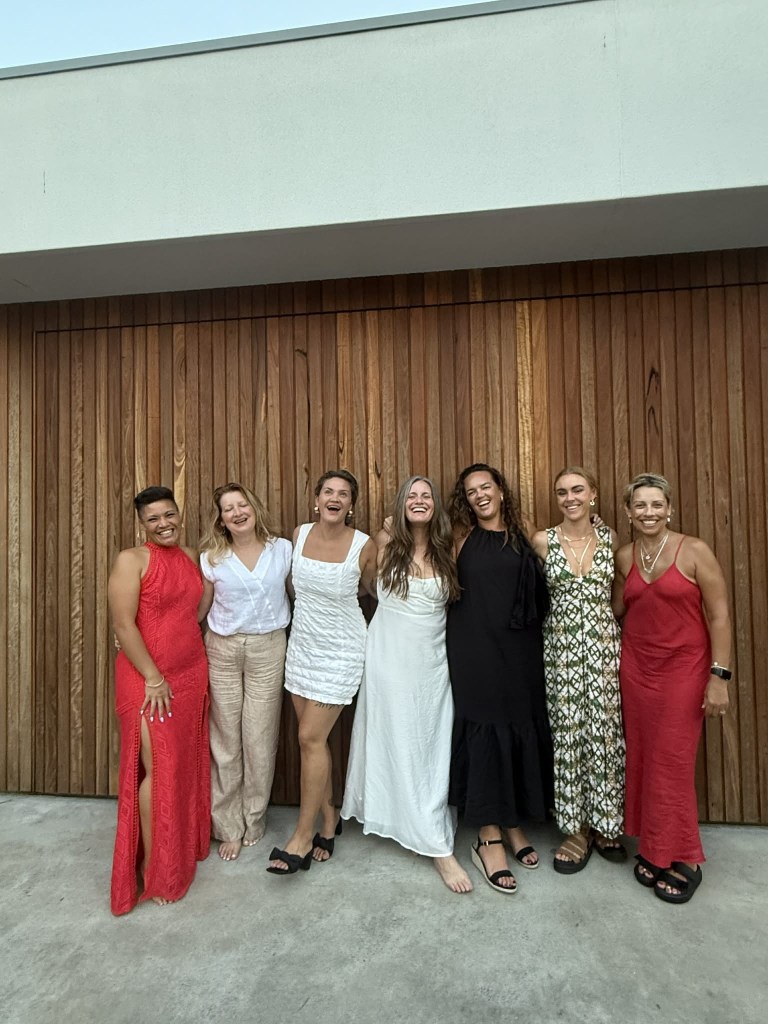
MUSE Retreat | Omaha, New Zealand
MORE ABOUT JULIE: Julie Cooper Creative supports women to build businesses that reflect who they truly are.
Drawing on my lived experience, qualifications, and years working across branding, photography, mentoring, leadership, PR, television, radio, and talent agency, I help women clarify their thinking, find their voice, and translate their vision into something tangible and profitable. Through brand strategy, editorial photography, MUSE Magazine, mentoring, and MUSE Retreats, my work is designed to create momentum with integrity.
The transformation I focus on is simple but powerful: moving a woman from self-doubt and performance into clarity, confidence, and embodied leadership. I bridge the gap between where she is now and where she knows she is meant to be, helping her articulate her value, refine her direction, and lead with conviction.
Everything I create is intentionally expansive. It is designed to open possibility, strengthen self-trust, and allow a woman’s business to grow in alignment with her identity.
Online 1:1 Mentoring Session | Coolangatta, QLD, Australia
I grew up in New Zealand and work between Australia and New Zealand, supporting women globally through Julie Cooper Creative.
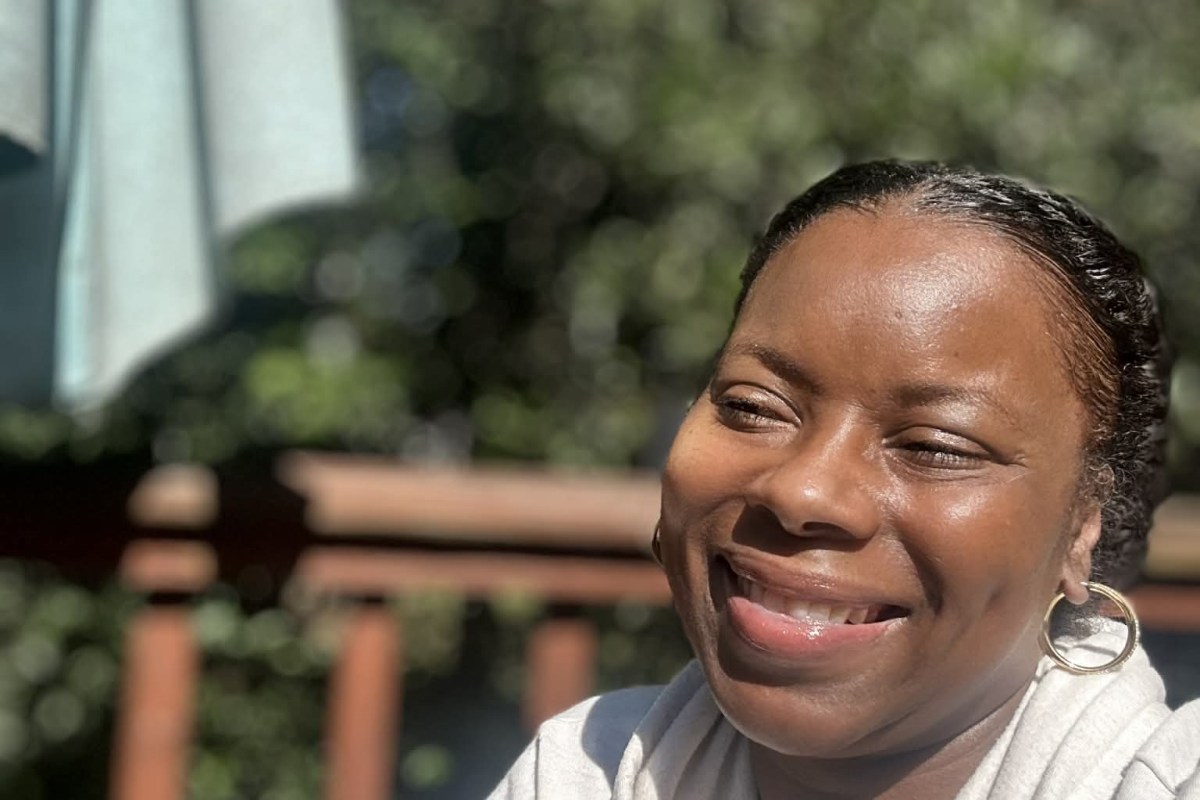
“I’ve learned that balance, healing, and success don’t come from having it all together; they come from making intentional choices, even in the middle of uncertainty.”
Q: What are you passionate about?
A: I am passionate about helping women live a life of balance.
This passion comes from my own experience of navigating multiple roles wife, mother, care giver, director, entrepreneur, and community advocate from a place of depletion and people pleasing if I’m honest.
I know firsthand how easy it is for women to pour into everyone else and still feel overwhelmed, depleted, or disconnected from themselves.
Through my own journey, I learned that balance isn’t about perfection; it’s about living intentionally.
It’s about listening to yourself, acknowledging your needs, and giving yourself permission to reset without guilt.
That realization not only transformed my life, but it also became the foundation of the work I do today.
Currently, I am focused on expanding my work through coaching, workshops, and community programs that support women in prioritizing intentional self-care and sustainable balance.
I am developing resources and experiences that help women slow down, gain clarity, and create routines that support both their personal lives and leadership roles. My work centers on equipping women with practical tools such as guided reflection, journaling, and mindset shifts, so they can lead and serve from a place of wholeness rather than burnout.
I am also the creator of the Choosing Me Intentionally Journal, a guided journal designed to help women pause, reflect, and reconnect with themselves. The journal serves as a practical tool that encourages self-awareness, clarity, and intentional actions helping women apply balance in their everyday lives, not just during coaching sessions.
At this stage of my journey, I am deeply committed to creating spaces where women feel seen, supported, and empowered to choose themselves intentionally, knowing that when they are balanced, everything connected to them benefits.
Q: What were your younger years like?
A: I was born in New Jersey, so I’m a city girl at heart.
I had a decent childhood, but it came with layers that shaped me early.
I am the oldest of four on my mother’s side and the baby on my father’s side, which created an interesting family dynamic.
As the oldest, I was heavily relied on by my mother to be the helper the responsible one.
With my father, I was protected and, in many ways, shielded, or at least that was the intention.
One of the most grounding influences in my life was church. I come from a family of singers and preachers, and church was a constant presence in my upbringing.
It gave me structure, faith, and a sense of belonging.
While my faith didn’t prevent every challenge, it did keep me from feeling defeated or giving up.
I was a teenage mother my faith gave me the hope and motivation I needed to strive for the best.
Knowing that I was not alone and believing that I could do all things through Christ who strengthens me became one of my greatest sources of motivation and resilience.
I began working as soon as I legally could.
At that point, I didn’t have the luxury of choice.
I was a mother, and I took that responsibility seriously.
Even while navigating adulthood at a young age, I remained a dreamer.
Deep down, I always knew I was built for something greater, even during seasons when I didn’t feel strong, capable, or confident.
Those early experiences of family responsibility, faith, motherhood, and hard work shaped my character, my work ethic, and my purpose.
They taught me perseverance, balance, and the importance of not giving up on yourself, lessons that continue to guide me in both my personal life, and the work I do today.
Q: What is something valuable you’d like others to know?
A: One of the most valuable lessons I’ve learned is that your circumstances do not get to define your future.
Life can unfold in ways you never planned, and you can still rise, grow, and become everything you were created to be.
I’ve learned that balance, healing, and success don’t come from having it all together; they come from making intentional choices, even in the middle of uncertainty.
I want others to know that it’s okay to start where you are.
You don’t have to be perfect, fearless, or fully healed to move forward.
What matters is that you intentionally choose you through everything. For me, I learned that faith, self-reflection, and intentional self-care are the anchors that I needed to keep me grounded.
If there’s anything I hope people learn from my story, it’s that choosing yourself is not selfish, it’s necessary.
When you give yourself permission to listen, acknowledge, and reset, you create space for clarity, growth, and purpose.
No matter what your past or present season is, there is still more ahead of you, and you are worthy of living a balanced, fulfilled life.
Q: What does feminism mean to you? A: To me, feminism means honoring the strength, worth, and voice of women while allowing room for individuality, faith, and choice.
It’s about creating space for women to show up fully as themselves without having to prove, overperform, or shrink to fit someone else’s expectations.
Feminism is about empowerment and equity, not comparison or competition.
It’s about supporting women in every role they carry while recognizing that each path is valid.
It means advocating for women to have access to opportunities, resources, and support, while also encouraging them to prioritize their well-being and live intentionally.
At its core, feminism is about reminding women that they are capable, deserving, and worthy of rest, of growth, of leadership, and of a balanced life.
For me, it’s less about a label and more about the freedom for women to choose their own paths, honor their values, and thrive without guilt or apology.

 The Woman Wednesday Blog