“I’ve always had a “plan B,” but there are so many others who weren’t prepared for their lives to change in such a way [during the pandemic].”
Q: What are you passionate about?
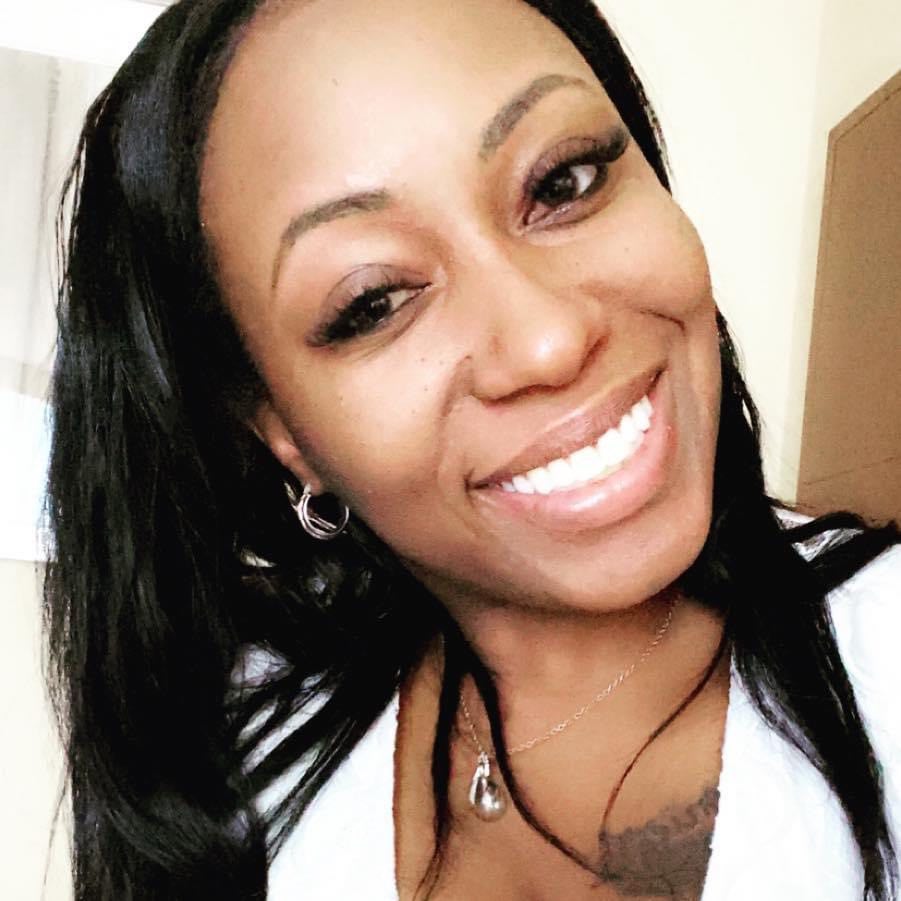
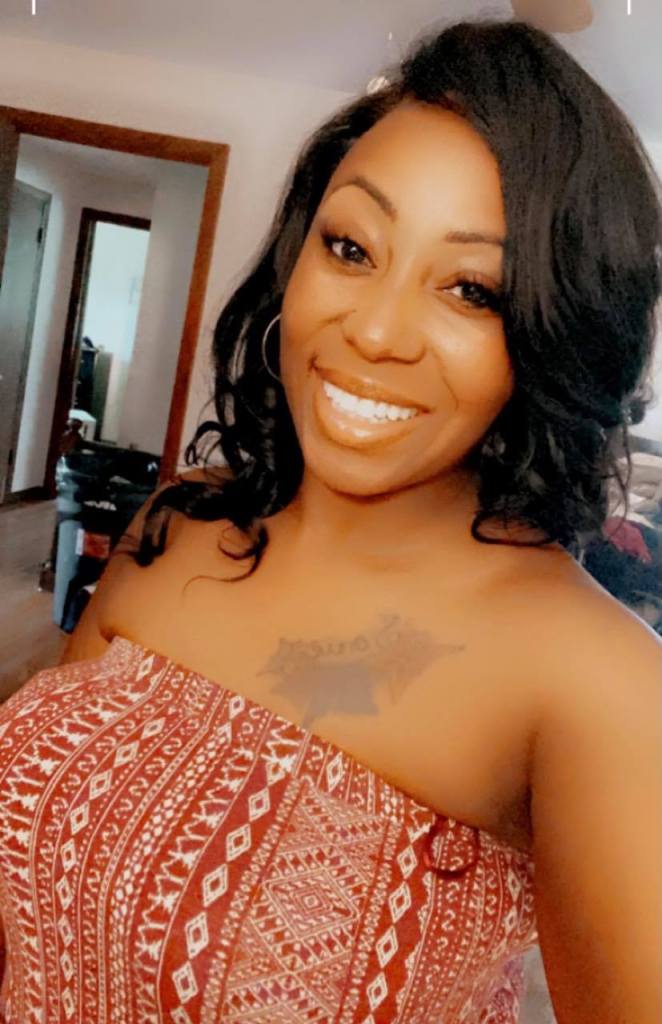
A: One of my biggest passions in life is helping others. I’m a licensed financial advisor. I love what I do simply because I’m able to educate my potential clients on ways to create generational wealth for themselves and their families.
Q: What were your younger years like?
A: I grew up in a very close-knit family. Education and religion were two things that were at the top list of importance. I’m grateful for all the lessons learned because it helped me to become a better person and who I am today.
Q: What is something valuable you’d like others to know?
A: 2020 was a huge wake-up call for me, and I’m sure for a lot more families as well. I was laid off from my job of 15 years. Luckily for me, I’ve always had a “plan B,” but there are so many others who weren’t prepared for their lives to change in such a way. My advice would be to never solely depend on one stream of income. Keep multiple streams coming in in order to keep your family afloat.
Q:What does feminism mean to you?
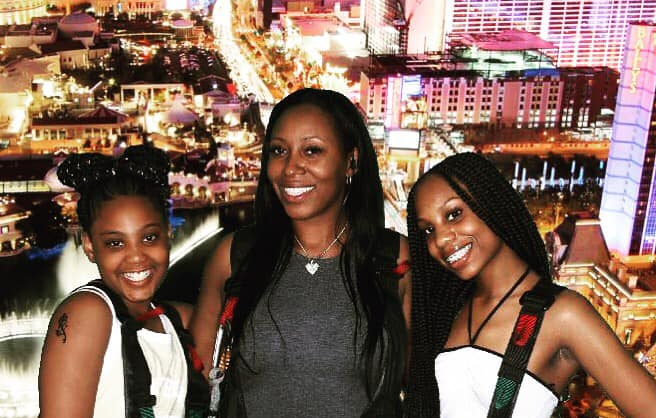
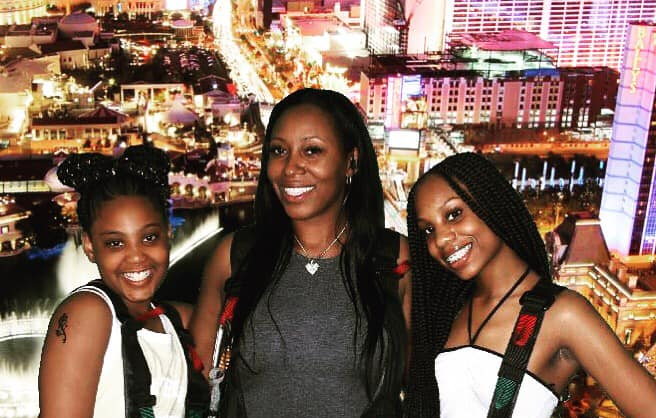
A: Being a woman, I think, is about being strong. It’s about continuing to move forward in all of life’s endeavors. I definitely have to keep a positive mindset and stay 100% committed to making all my life dreams a reality. I have two daughters that look up to me, and I want them to grow up stronger and better than I am. I love to see my ladies succeed! There was once a time when women were told we couldn’t do certain jobs or we couldn’t make a certain amount of money, but look at us now! Kudos Ladies! Let’s keep it up! God Bless.
Thank you for reading!
Follow me on Insta here. I’d love to connect with you! 🙂
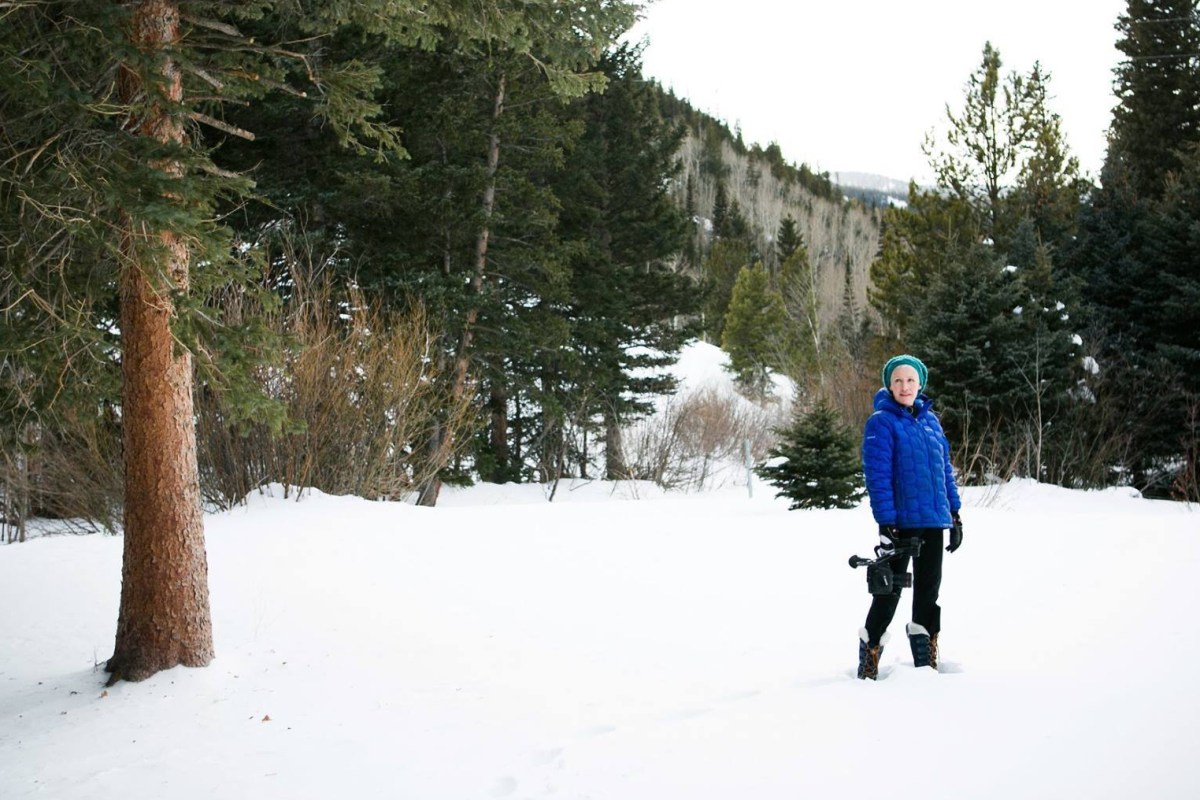
“I believe that if we let ourselves be paralyzed by our fears, we’ll never achieve our full potential.”
Q: What are you passionate about?
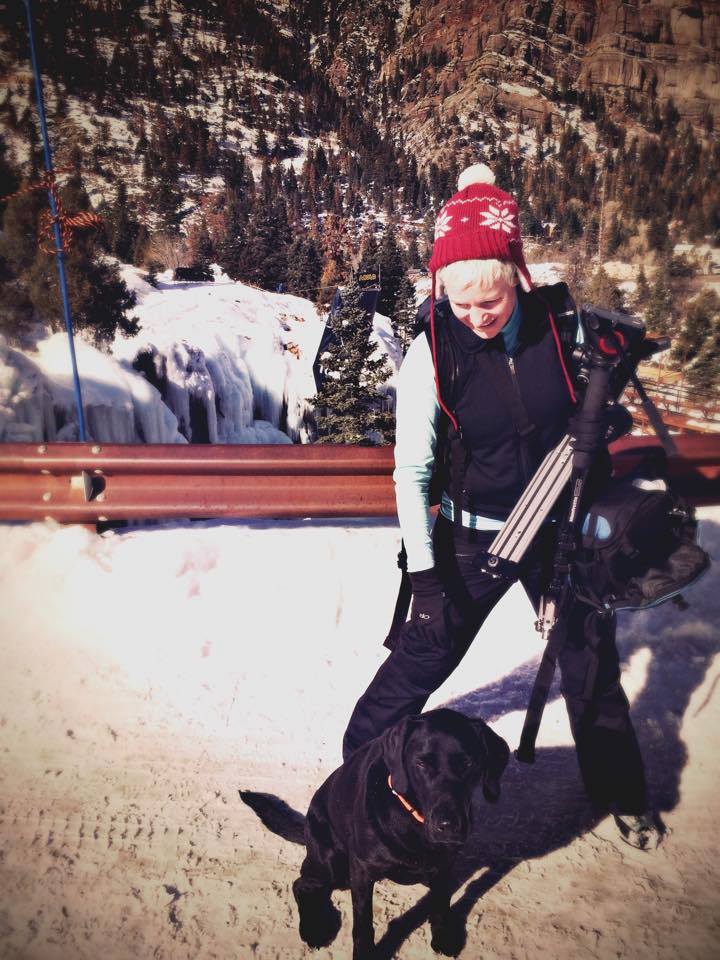
A: I’m passionate about documentary filmmaking because of the ability to connect people through stories.
I’m currently touring the film festival circuit with a documentary about two elderly, married entomologists.
I’ve filmed digital content for clients like National Geographic, the BBC, the Travel Channel, Lonely Planet, NBC, and a host of others.
Steve Jobs famously said, “The most powerful person in the world is the storyteller.”
The storyteller sets the vision, values, and agenda of an entire generation to come.’ I fully believe that!
Stories have such incredible power to inspire, to reveal our shared humanity, to bring about positive change, and to create empathy and emotion (humor being one of my favorites).
I’m also really passionate about helping female entrepreneurs acquire the skills to create their own video content from home.
With the development of the COVID-19 coronavirus, I think a lot of women [have been] working from home, doing more video conference calls, and trying to incorporate DIY video into their business to bring in clients.
I wanted to help other women continue to succeed with their businesses!
So, I recently began sharing the knowledge I’ve acquired over the years from big-budget film shoots and digital storytelling content and modifying it to help women create high-quality DIY videos from home.
I’m really dedicated to helping them learn to make videoes and storytelling their business ally.
I’m passionate about showing them not only learn how to use gear but also how to map out the story arc, messaging, and branding in each of their videos and conference calls with clients; how to develop a strategy before they begin putting up videos; and how to map out the way in which each video plays into the larger story of their business.
Once they have that knowledge and skill set, they will have such incredible power to inspire and connect with clients!
Q: What were your younger years like?
A: I was a major introvert as a child. I was very quiet and spent an enormous amount of time reading.
I loved stories, and I read everything from Roman mythology to the history of Dorothea Lange, to the latest science fiction novels.
At 15, I began taking summer school classes at Stanford, and I later received both my undergraduate and master’s degrees from Stanford.
My early fascination with storytelling influenced my decision to become a newspaper reporter after graduation.
After a time, I transitioned to telling stories through film and video and incorporated the skills of a print journalist into my approach to documentaries and digital content.
Q: What is something valuable you’d like others to know?
A: When I first picked up a camera, I remember being very intimidated by the technical aspects of it.
And I remember being similarly daunted by all of the logistics and crafting of a story arc when I made my first film.
But I believe that if we let ourselves be paralyzed by our fears, we’ll never achieve our full potential.
I steadily acquired the storytelling and production skills and the knowledge of film gear, and I would love to help other women out with that—especially female entrepreneurs who are working at home and need to incorporate DIY video into their business.
I definitely empathize with how video can initially feel very formidable. My message is: Don’t let that fear paralyze you! There are so many ways to DIY it.
And I’m more than willing to help anyone out that needs advice.
There are many statistics about the power of videos and storytelling, but for me, it all comes down to the ability to connect with others, to inspire and motivate them, and to foster our shared humanity.
Q: What does feminism mean to you?
A: To me, being a modern feminist means supporting those who identify as women, lifting each other up, amplifying our voices, and having the right to personally choose how we live our lives.
I also think it’s crucial to consider feminism through an intersectional lens if we want the movement to be truly inclusive and representative of the voices of women of all races, classes, religions, abilities, and orientations.
“To fail simply means, to me, first attempt in learning.”
Q: What are you passionate about?
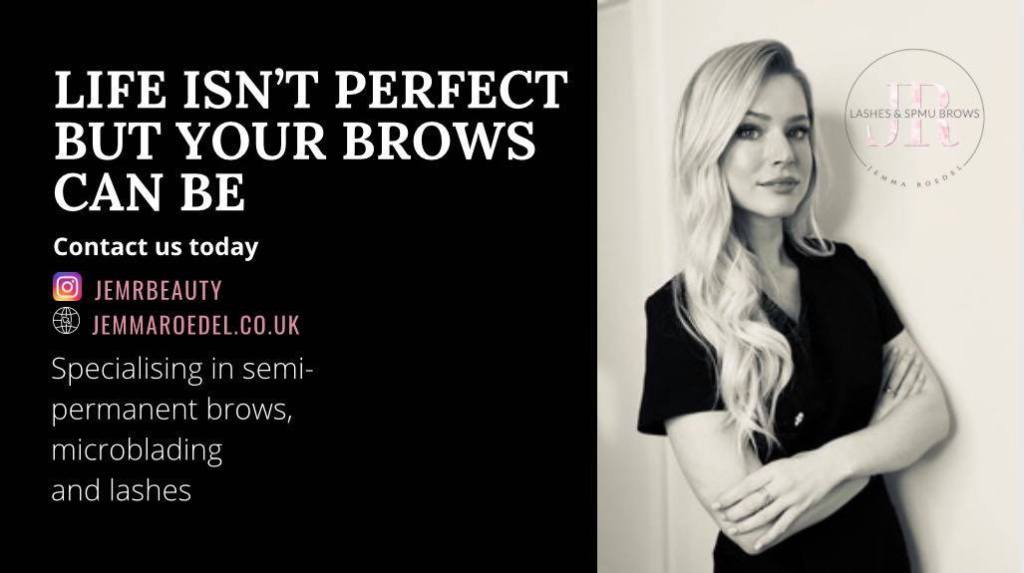
A: I have found myself with a great passion for the beauty industry and making others feel more confident in themselves. Especially with semipermanent makeup for the ladies who have lost their eyebrows over time; some of the reactions after treatment truly are amazing and make it worth while.
During the pandemic and my business being hit drastically, I then started a few other projects to keep myself busy, but to also connect with other women. I started a Facebook group for women wanting to grow in their careers or run their own business to connect and network. There are a few groups online already; however, I found them filled with a lot of spam and very hard to find value in most of the posts. So, I set out to fill the group with educational posts.
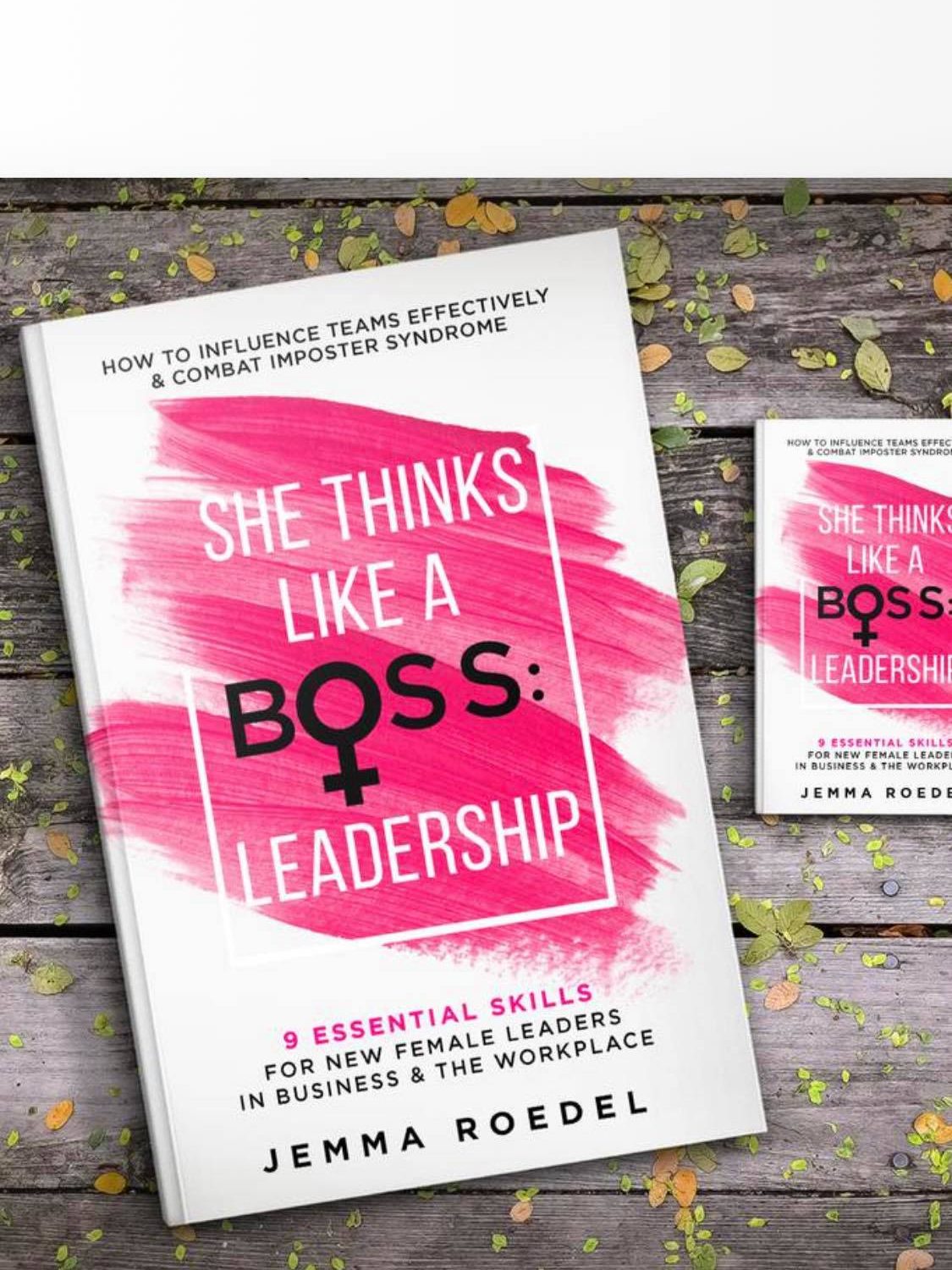
My aim was to inspire, motivate, and educate. Around this same idea, I have also cowritten a book. Me and my team want to release a series of books aimed toward women in business. This first one is to help women grow their leadership skills.
Q: What were your younger years like?
A: Growing up, I was always fairly good at school; I tested well and I never failed any class, but I knew I lacked the motivation to continue with academic education.
I always knew deep down I needed to work for myself, but the ’system’ always wanted the student to go to university/college and aim toward an academic education.
I went back to education a little later in life, around 23 years old. I did open university, which is online based, to pursue a psychology degree; however, I again dropped out after the first year knowing it wasn’t for me.
I couldn’t see a future in working for anyone else. Which then whilst working part-time in a job I hated, I stumbled into beauty treatments, which made me money fast, and I loved my clients. I’m lucky to call many of them friends now. I found a passion in making them feel great. Which makes me feel valued.
Q: What is something valuable you’d like others to know?
A: After speaking to many many women, one of the main topics was they are scared of failure. Which really upsets me!
As children, we are always finding our way and never get it right the first time! Why is it we’re expected now as adults to be perfect [the] first time. We never stop learning, which means we will never stop making mistakes!
Some of my biggest breakthroughs were learning from mistakes! We throw around the saying “learn from your mistakes,” but I don’t think people truly resonate with this. To fail simply means, to me, first attempt in learning.
Q:What does feminism mean to you?
A: I want equality for women in business. Only 7% of CEOs are women. Only 17% of the new businesses set up in 2019 were by women.
Now, a lot of this can be reasoned to the inequality and subconscious biased that still exists against women, but it is also the consequences from the years of inequality women have had to face; most of us have lost the confidence.
So, I want to bring back that confidence for women. I think the pandemic has been profound for women who work full-time office-based jobs, since they were able to prove they can work effectively from home.
Which I think is incredible that now, finally, women are able to maybe manage that work/family life more and keep their careers instead of having to step down from their positions to start a family.
MORE FROM JEMMA: I love collaborating with other women and do believe that we need to work together if anyone resonates with this also, you can find me on:
We’re starting 2026 the right way! We’ve selected some of the best words of wisdom from a few of our past featured women from the 2025 Woman Wednesdays. Happy New Year, everyone! Let’s do our best to make it the best year yet!
*
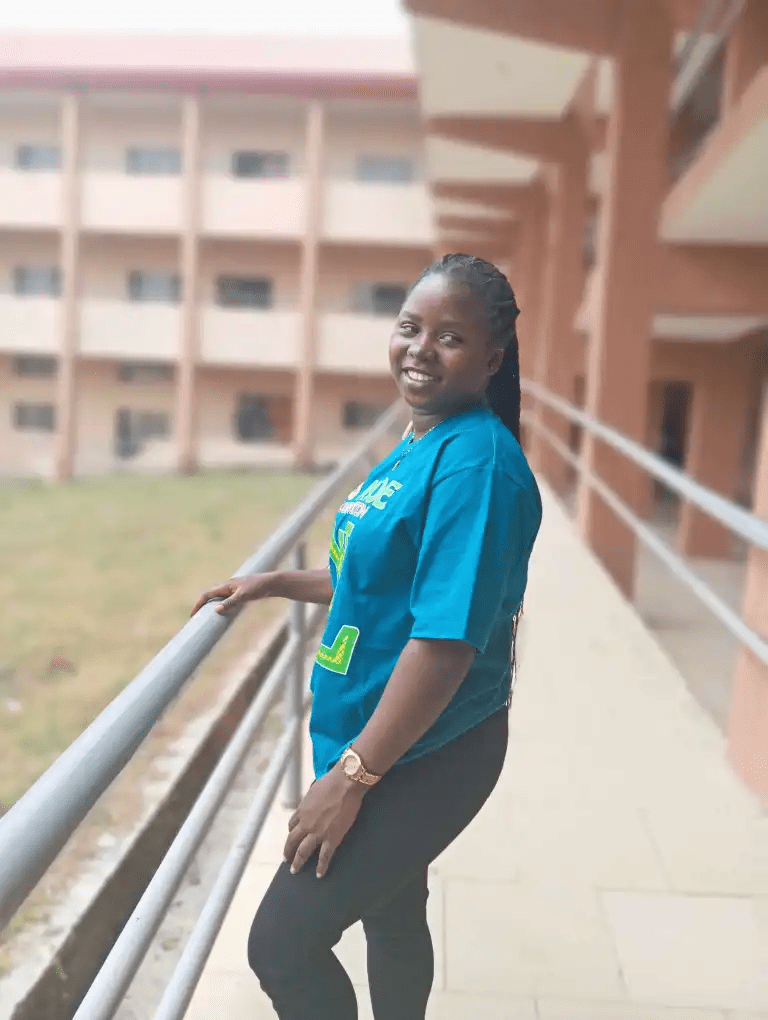
Joy from Ondo, Nigeria, says: “One of the most important lessons I’ve learned in life is to take charge of your own journey early on because you can’t always rely on others to help you.
“When you’re passionate about something especially if it’s a good and meaningful pursuit, give it your all. Invest your energy and effort to do it to the best of your ability.” Read full article here.
*
Jen from Johannesburg, South Africa, says: “Family and upbringing shaped so much of what I do today. I personally experienced patterns of trauma, emotional suppression, and conditioning that kept me small. It took me years to realize that healing is not just about what happened to us – but about how our body and mind stored those experiences. That realization set me on the path I’m on today.
“You are not broken. You are operating from patterns of protection that your nervous system and subconscious mind created to keep you safe.” Read full article here.
*
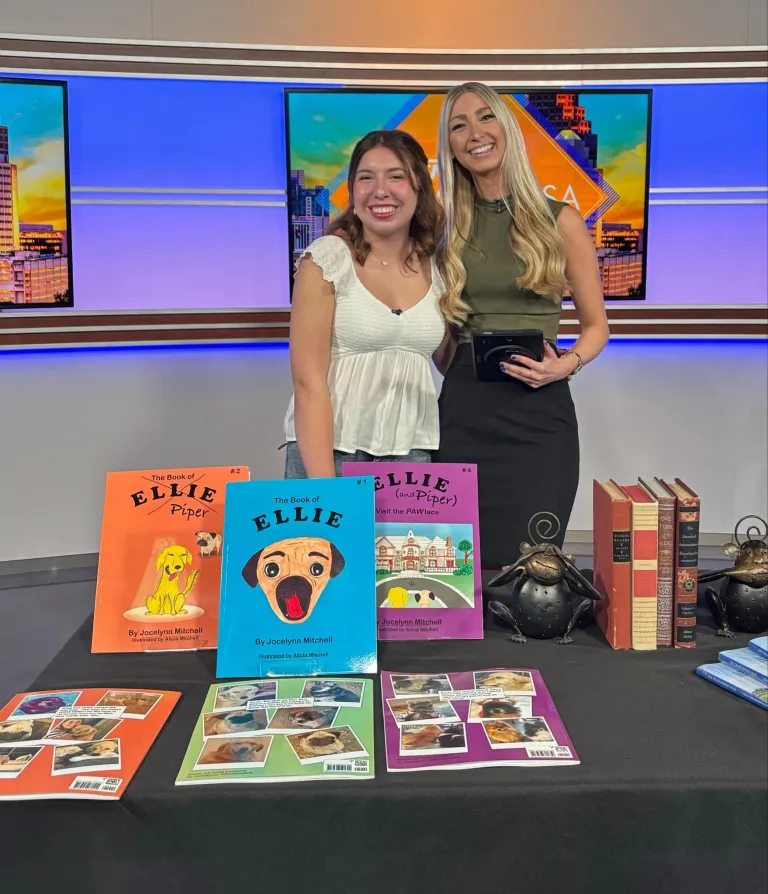
Jocelynn Mitchell from Hill Country, Texas, says: “I’ve learned that it is possible to make your dreams happen! I never imagined that I would be where I am today, but here I am, 15 years old with four published books! I want others to learn to believe in themselves because, if you put your mind to it, you can do it.” Read full article here.
*
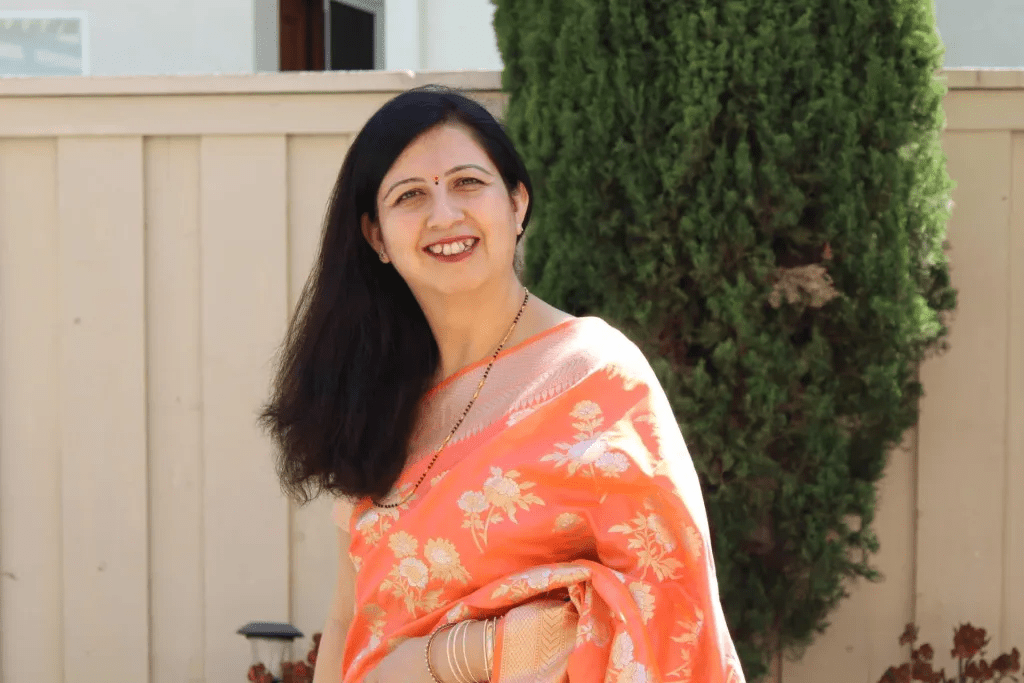
Vinti from India, living in San Diego, California, says: “Life is the most valuable thing we have. It is the root of everything, the chance to feel, to grow, to create, to love, and to be loved. We should cherish every moment we have with our loved ones and surround ourselves with people who care and uplift us. Stay humble and close to our roots.” Read full article here.
*
Lucie from Quebec, Canada, living in Mexico says: “Your story is not over. In fact, the best chapters might still be ahead. I’ve learned that clarity and confidence can come at any age, but only when you give yourself permission to evolve.
“I want women to know they’re not behind—they’re just getting started.
“When we embrace our age as a superpower, we become unstoppable.” Read full article here.
*
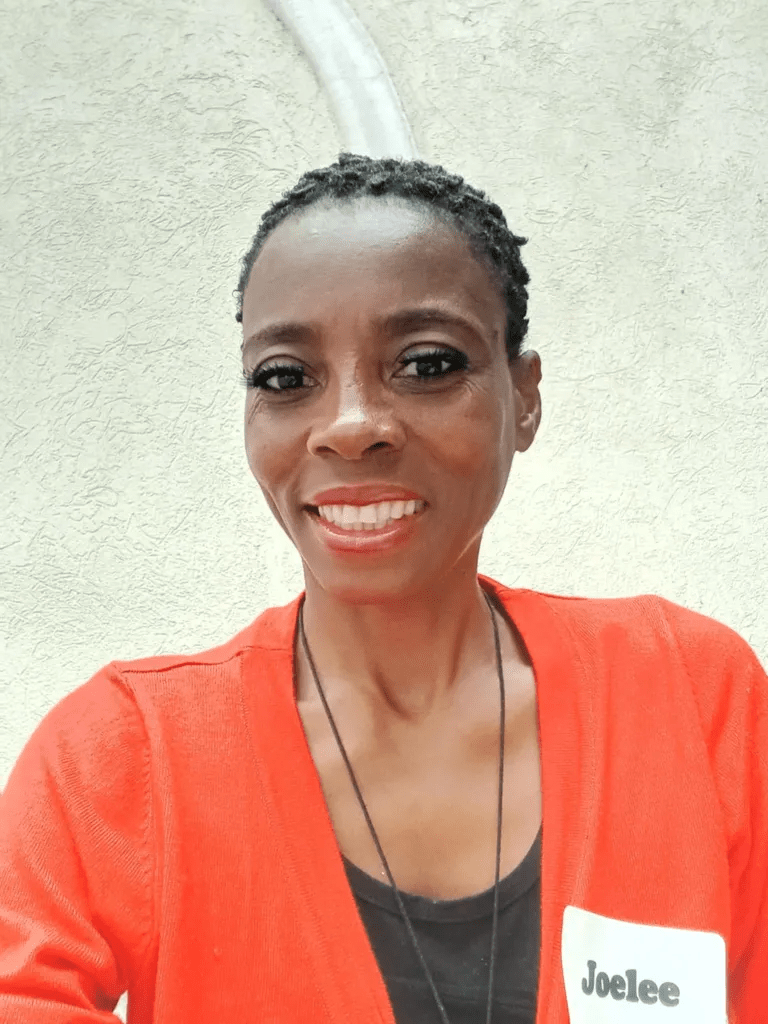
Joelee from Kingston, Jamaica says: “What I’ve learned is that consistent self work is the key to becoming your best self. Using your voice is how you change your life and create an impact. Creating your life vision and clarifying your “why” is how we truly life a happy life. And lastly, happiness is something that we create, craving out our happiness is a long-term goal that we should thrive to achieve.” Read full article here.
*
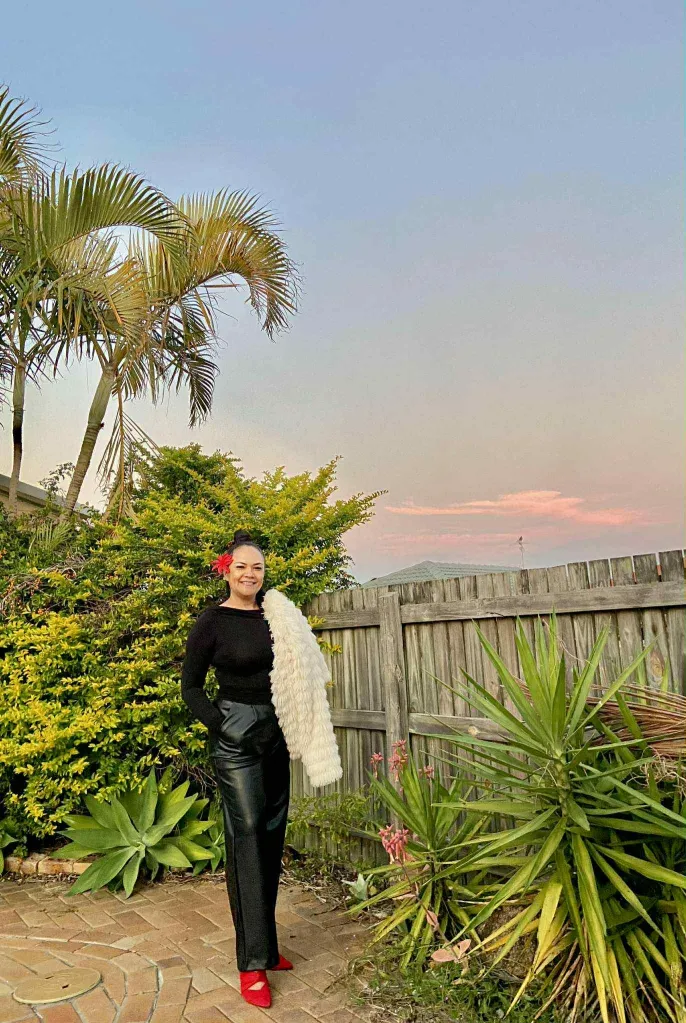
Nadine fromthe beautiful island nation of Niue says: “I’d like to encourage others to explore and celebrate their own cultural roots. I also value one’s voice– speaking your truth and holding yourself accountable to what matters to you, regardless of what others think, is crucial.
“If you believe in yourself, nothing can change your mind, if it’s for the greater good. In this world where we self-sabotage and compare, it can be challenging to block out the negativity and stay true to who you are. There is power in knowing who you are. Seeking out what’s already yours, what is meant to be will find you, with the right conviction. Knowing self is knowing God.” Read full article here.
*
Alisha from Dallas, Texas, says: “Obstacles aren’t stop signs; they’re detours that can build strength and wisdom if you don’t give up.
“I want others to take from my story that faith, persistence, and purpose-driven action can change the trajectory of your life.
“You don’t have to come from privilege to build a legacy; you need the courage to keep moving forward.” Read full article here.
*
Sabrina from Oliver, British Columbia, Canada, says: “Growth begins when you commit to moving forward before everything feels perfect.
“It may sound counterintuitive to someone who builds systems, but iteration is part of reality.
“Holding out until version one feels flawless only makes it harder to reach version two, three, or four. That lesson was shaped and reinforced when I went back to school as an adult. It wasn’t about timing or convenience; it was simply about starting, and then starting again, until I reached the finish line.” Read full article here.
*
Lychee from Brussels, Belgium, says: “I think one thing that I’ve learned is that whenever you think a story has ended, there is always a new beginning coming; it’s really just a matter of perspective.” Read full article here.
Tune in every Wednesday to read about a new featured woman!
Q and A with Maria T., Entrepreneur Coach, Philippines
“True abundance isn’t about what you have. It’s how comfortable you arebeing you, doing you, and staying you.”
Q: What are you passionate about?
A: I love making the impossible possible—turning “crazy ideas” into reality.
Born into an entrepreneurial, immigrant Chinese family, I was wired into the “work hard, stay in your place, be practical” mentality.
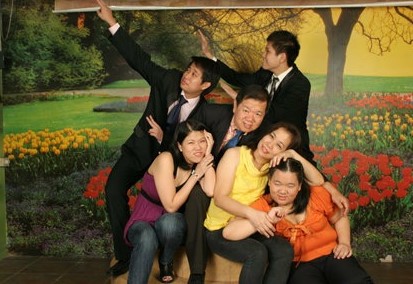
Pictured: We had the “work hard” mentality, but humor was a big part of our lives! Here I am in my early twenties with my parents and siblings.
Anything outside the norm wasn’t accepted, and everything that had to do with dreaming differently wasn’t encouraged. Hobbies, passions, interests that didn’t result in direct payout/profit were kept as such. Little effort would be put into something “frivolous” like playing the piano or theater arts. As a result, I grew up with such a scarcity mindset and lots of self-limiting beliefs.
What’s curious though, I inherited my ancestors’ entrepreneurial skills and was making money from the age of 6 by buying and selling stationery and confectionary items, dried foods, and other things I could sell. Later, I was selling my services as a teacher and consultant. For someone so “young,” I had my choice of clients and was paid above the market rate.
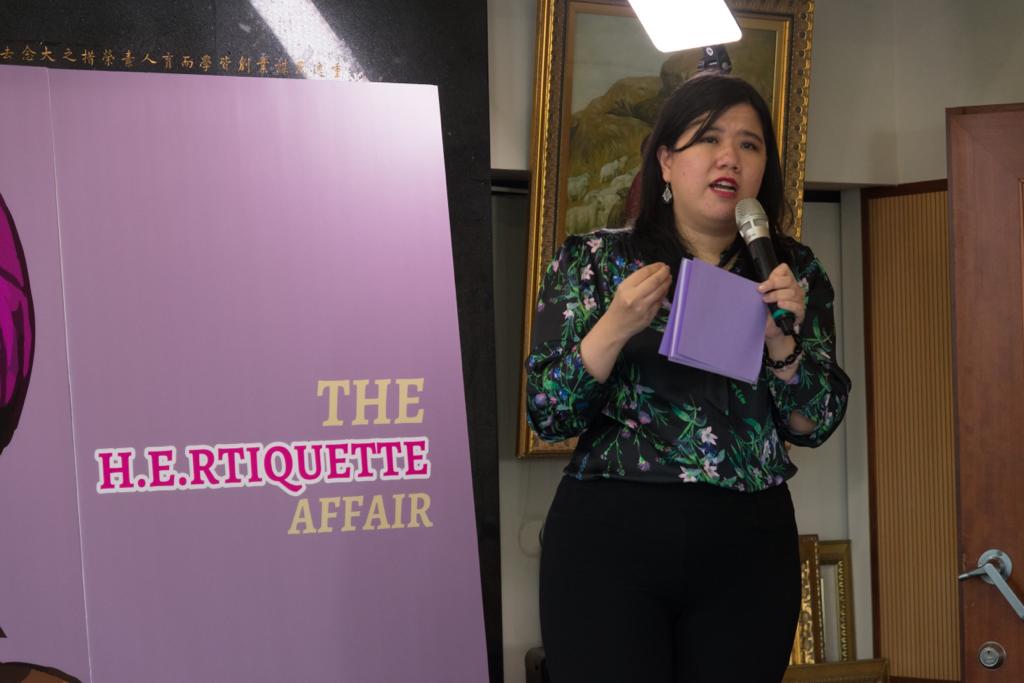
Pictured: Me facilitating a communications workshop in Taipei, Taiwan.
But I felt something was missing. I needed to BE MORE and think beyond what to sell next and how to make more money. I talked to my mom about the meaning of life and she pretty much dismissed my question as something frivolous and overreaching. I can’t blame her though—she comes from a generation where having a white picket fence was the dream). After that talk, I went even deeper into depression. I was living my life void of any life. I would go from one task to the next and have no memory of doing so.
I was honestly contemplating to end my life, but something in me said: “I can’t give up on myself—life has got to be better than this.” I went full-on into exploring my spiritual gifts and somehow I embraced being an empath. When I talked to people, I just knew which buttons to push to help them talk about what really mattered to them. Today, I am able to combine that spiritual gift with my talent in teaching, consulting, and seeing the big picture.
I now coach “Misfits,” aka people who feel like they can’t conform to the norm and what’s expected of them, to turn their “deepest desires” and “crazy impossible dream” into reality. I help elevate their lives by guiding them in creating an eco-system around who they are and what they offer.
Q: What is something valuable you’ve learned that you’d like others to know?
A: True abundance isn’t about what you have. It’s how comfortable you are being you, doing you, and staying you.
I’ve made money from an extremely young age. In fact, making money comes easy to me because I’m good with people and I can sell lots of things. When I was selling my products and services to anyone who wanted to buy, I was working day and night. The money came in fast. But my scarcity mindset back then simply drove me to doing more and feeling disconnected with the part of me that knew I was meant for more.
I couldn’t enjoy the money I made and was so concerned about how other people saw me and my means. I made monetary decisions out of the fear that people would look down on me and think I couldn’t afford something. What should be a blessing became a burden. Only after I embraced my spiritual self and embodied a more abundant state of being did I fully appreciate life and find joy in my existence.
This may sound like a cliche, but the moment you embrace the totality of who you are, the money will come anyway. So be you, stay you, do you. There is no one like you and the moment you appreciate that about you, the rest of the world will!
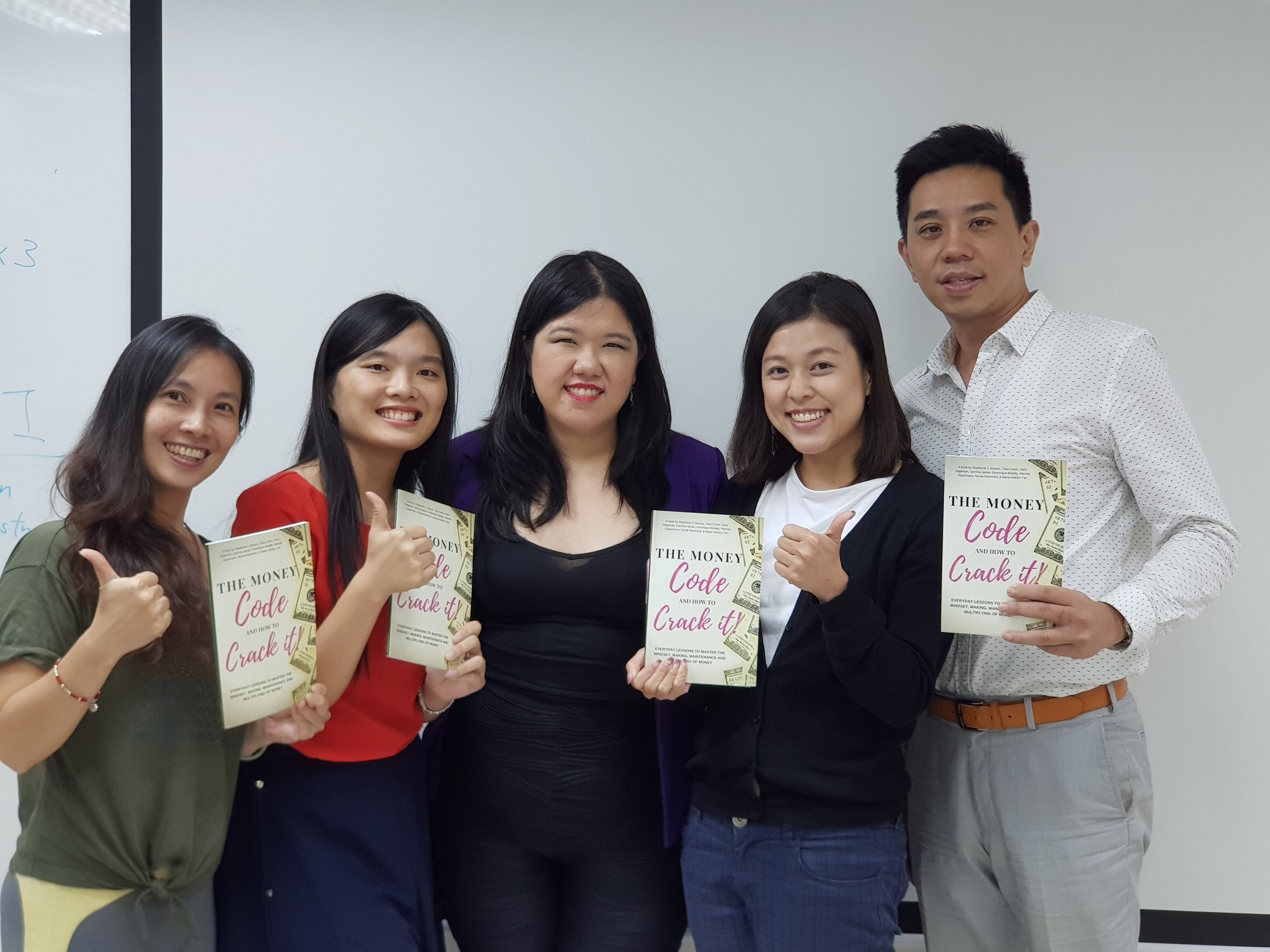
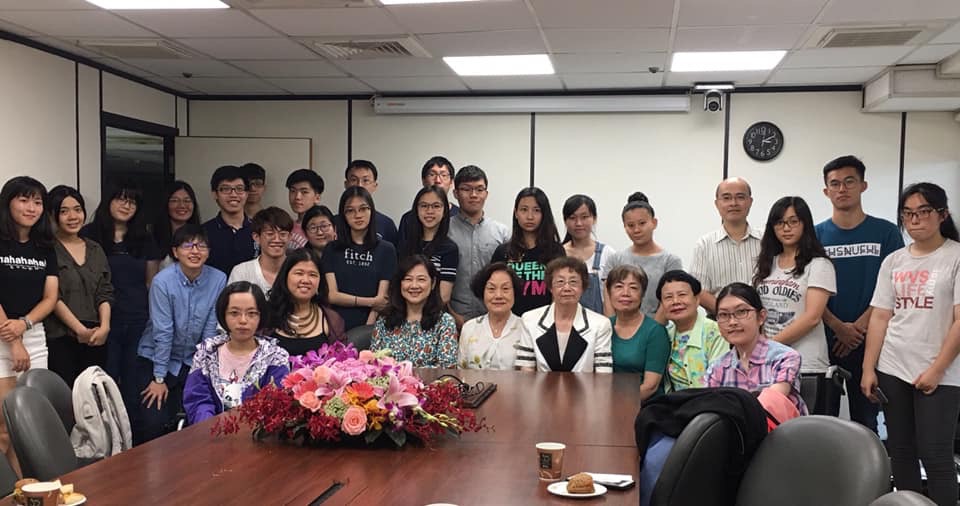
Pictured: This was a big milestone in my life. Since 2013, I sat on different boards and committees of non-profit organizations (Rotary Club and the International Women’s Club). But nothing brought me more honor than being part of an education foundation in 2018. I was a recipient of scholarship since I was 11 until about my college years. To be part of this education foundation was me paying it forward.
Q: What does feminism mean to you?
A: I was actually brought up in a matriarchal society. Even within my extended families, women are held in high regard. In fact, women can be so strong and as capable as the men in my family, but they wouldn’t be dressed down for “failure” as a male would.
When I left my home country (the Philippines) to pursue my tertiary education is when I saw the favorable treatment to men. I was harassed by a male professor and when I asked an administrator where I could file a complaint, I was strongly suggested not to. The reason was simply “You’re female and you’re from the Philippines. In this country, people listen to males, especially those that came from a developed country.”
I never felt more violated than the moment I heard that. And I vowed since then never to let my nationality or my gender get in the way of empowerment. Feminism, for me, isn’t about equal rights. It’s about mutual respect and compassion. That country had “equal rights” but the societal beliefs then were programmed against women.
The way I was brought up, women are heard. When a woman isn’t happy, the entire family walks on eggshells. Women are loved for being caring and nurturing, for thinking of everyone’s needs, and for being non-linear in their thinking. Women are respected because they make life easier.
That, for me, is feminism.
Connect with me! I’d love to chat with you!
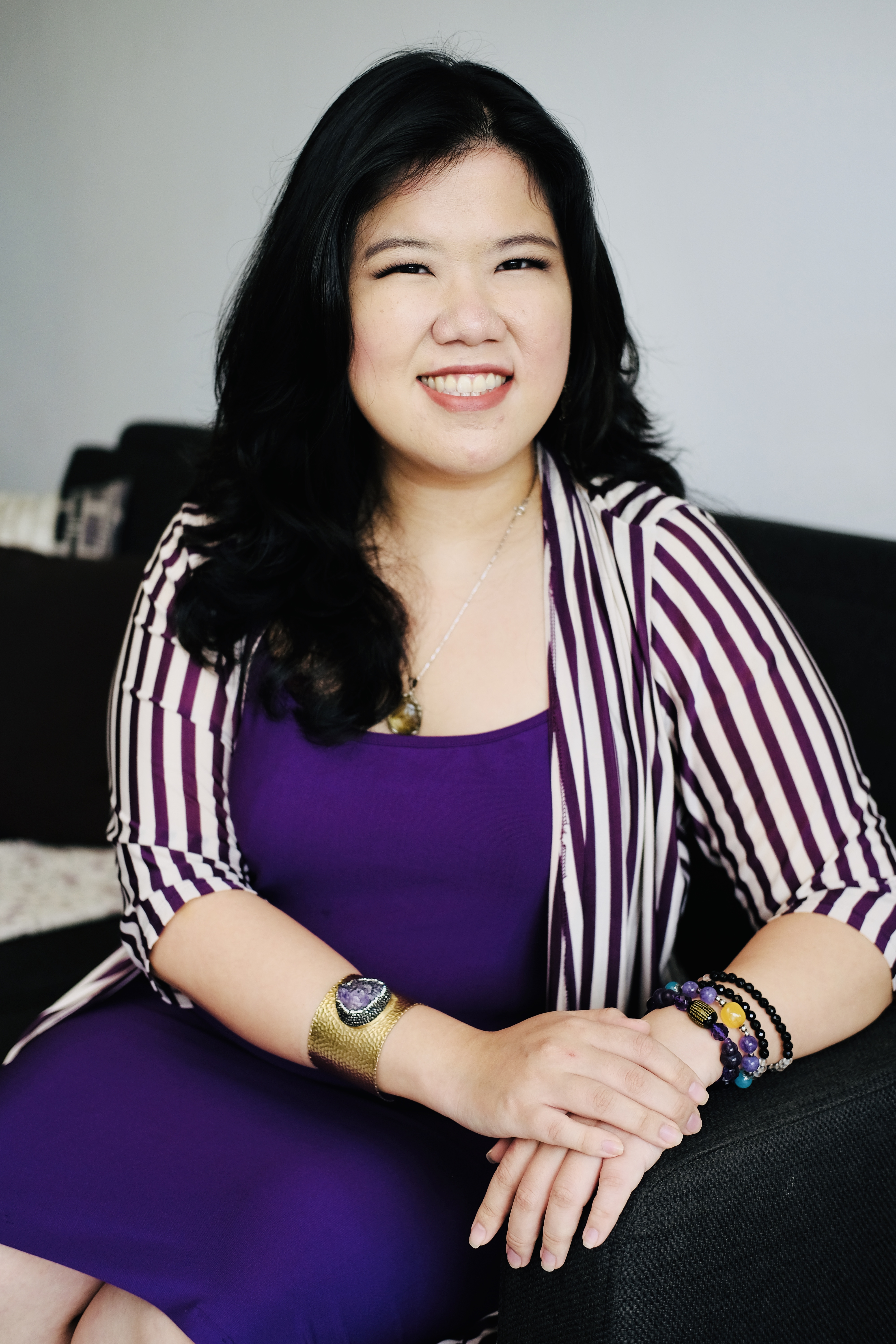
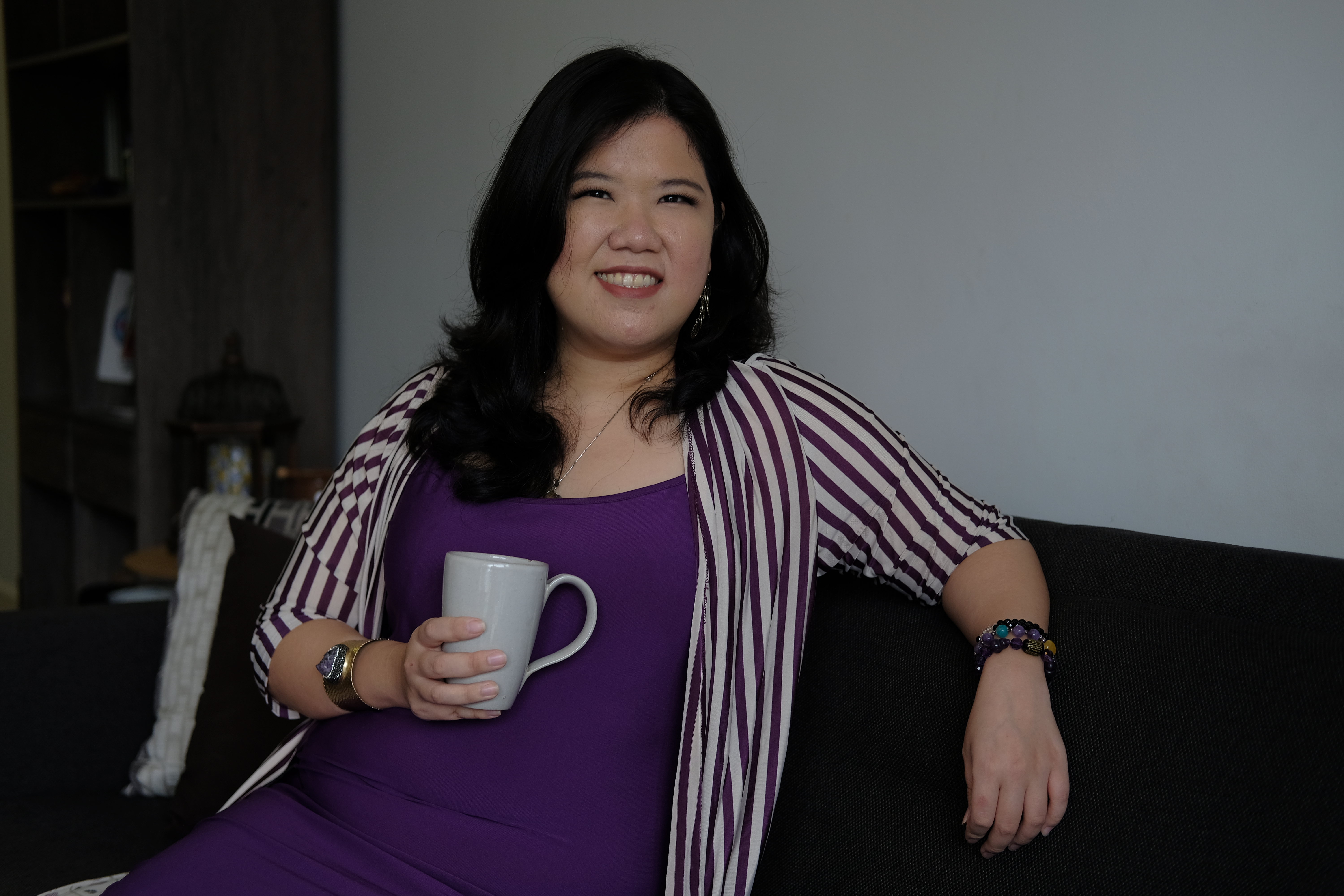
Maria Tan is an Entrepreneur Coach for Misfits (people who don’t like to conform to the norm), Multipassionates (people who are extremely multifaceted and multitalented), and Millennials (people born between 1981-1996). She helps her clients create an eco-system around who they are and what they offer. She’s taught more than 1000 people from all over the world! Connect with her on her website (www.maria-tan.com).